Last updated: September 2026
How Much Is Your Travel Trailer Worth?
Whether you have an Airstream, Forest River, Jayco, Keystone, Winnebago, Coachmen, or any other brand of travel trailer, teardrop, pop-up camper, or fifth wheel, our AI analyzes the brand, model year, length, floor plan, and condition to provide an accurate resale valuation. Upgrading? Done camping? Know what your travel trailer is worth.
Get the free app for unlimited scans


Compare real prices
See what travel trailers are listed for right now
Affiliate link: we earn a commission if you buy, at no extra cost to you.
What do you want to value?
Get the free app for unlimited scans
Why Knowing Your Travel Trailers Value Matters
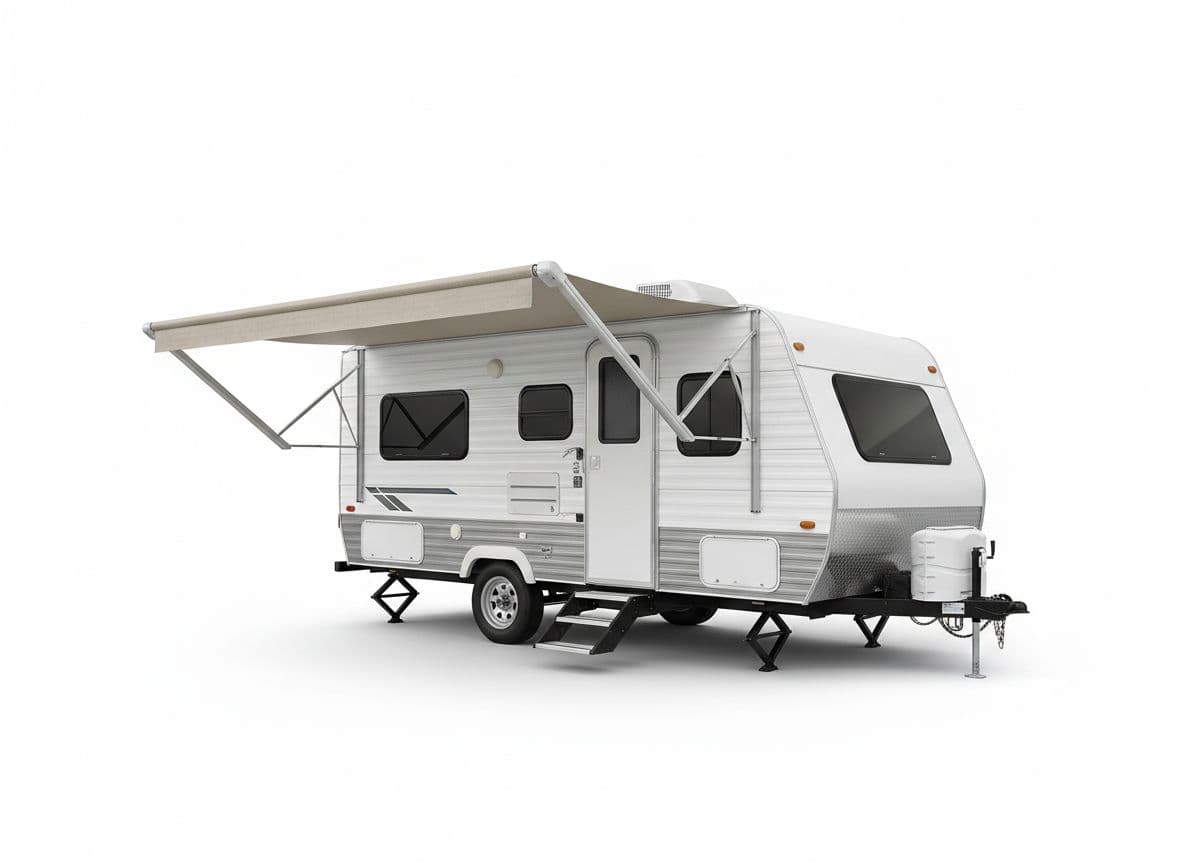
Travel trailers are the most popular RV type in America, with over 600,000 sold annually. New travel trailers range from $10,000 for pop-up campers to $80,000+ for premium models, with most falling in the $20,000-$50,000 range. The used market is massive because many buyers prefer the value of a lightly-used trailer. A 3-year-old travel trailer typically sells for 50-70% of its original MSRP. Airstream is the standout brand, holding 60-80% of value after 5 years due to its iconic aluminum construction and cult following. Most other brands (Forest River, Keystone, Jayco) depreciate to 40-55% after 3-5 years. The RV market experienced a massive boom during 2020-2021, and many of those units are now entering the used market, creating buyer opportunities. Floor plan and condition matter enormously. Water damage is the #1 value killer for travel trailers.
Key Factors That Affect Travel Trailers Value
Understanding what drives the price of travel trailers helps you get the most accurate valuation.
Brand & Build Quality
Airstream holds exceptional value. 60-80% of retail after 5 years. Grand Design has built a reputation for quality and holds 50-60%. Jayco, Winnebago, and Lance hold 45-55%. Forest River, Keystone, and Coachmen hold 40-50%. Budget brands (Coleman, Heartland entry-level) hold 35-45%. Build quality matters more than brand. Construction materials, insulation, and component quality determine longevity. Fiberglass exteriors hold value over aluminum-sided trailers.
Year & Depreciation
Travel trailers depreciate fastest in the first 2 years. Losing 20-30% of MSRP. Years 3-5 see slower depreciation (5-10% per year). After year 7-10, values stabilize and depreciate slowly. COVID-era purchases (2020-2021) may have been overpriced at retail, accelerating apparent depreciation. Older trailers (15+ years) that are well-maintained still have solid value, especially Airstream and high-quality brands.
Length & Floor Plan
Travel trailer length determines tow requirements and campsite compatibility. 16-22 ft trailers are the most versatile. Towable by many SUVs and fit most campsites. 22-28 ft is the popular range for families. 28-35 ft trailers require heavier tow vehicles and may not fit all campgrounds. Bunkhouse floor plans sell well for families. Rear bath/bedroom layouts are popular for couples. Murphy bed and convertible dinette layouts maximize small trailer space.
Condition & Water Damage
Water damage is the #1 value killer. Even minor water intrusion suggests potential structural damage to wood framing. Check all seams, around windows, and roof edges. Soft spots in the floor indicate water damage. Interior condition (upholstery, cabinetry, appliances) drives buyer perception. Roof condition (rubber membrane, sealant) is critical.appliance function (fridge, water heater, furnace, A/C) is expected. Tire age matters. RV tires should be replaced every 5-7 years regardless of tread.
Tow Weight & Compatibility
GVWR (Gross Vehicle Weight Rating) determines what vehicles can tow the trailer. Lighter trailers (under 4,500 lbs) are towable by many SUVs and half-ton trucks. Broadest buyer pool. 5,000-7,500 lb trailers need half-ton trucks. Over 7,500 lbs typically requires a 3/4-ton truck. Fifth wheel trailers require truck bed hitches. The lighter and more towable a trailer is for its size, the more desirable it becomes. Weight specs should always be listed.
Tips for Valuing Travel Trailers
Get the most accurate valuation by following these tips when photographing your travel trailers.
Photograph the exterior from all sides plus the roof showing sealant and membrane condition
Show interior photos of every room including kitchen, bath, bedroom, and storage areas
Note the GVWR, dry weight, and hitch weight. These are the first specs buyers check for tow vehicle compatibility
Disclose any water damage history, repairs, or known issues. Transparency builds trust and prevents returns
Travel Trailers Market Insights
The used travel trailer market is seasonal. Prices peak in March-May as camping season approaches and drop 15-25% in October-December. Facebook Marketplace and RV Trader are the dominant selling platforms. Craigslist remains active. Dealer consignment or trade-in offers convenience at 25-35% less than private sale. NADA (J.D. Power) provides the industry-standard valuation guide used by lenders and dealers. The 2020-2021 RV boom created a wave of lightly-used trailers entering the market as pandemic-era buyers move on. This has created a buyer's market for many brands. Airstream's resale market is uniquely strong with dedicated resale platforms (Airstream Marketplace). Vintage travel trailer restoration (canned ham trailers, vintage Airstreams) is a growing hobby with its own collector community.
Notable Travel Trailers Values
Real-world examples of what specific travel trailers have sold for, so you can benchmark your own.
| Travel Trailer | Condition | Typical Value |
|---|---|---|
| Airstream Classic 30RB (2020-2024) | Used - Good | $85,000 - $120,000 |
| Airstream Flying Cloud 25FB (2015-2019) | Used - Fair to Good | $45,000 - $75,000 |
| Grand Design Reflection 337RLS (2019-2023) | Used - Good | $35,000 - $58,000 |
| Forest River Rockwood Ultra Lite 2608BS (2018-2022) | Used - Fair | $18,000 - $30,000 |
| Keystone Cougar 32BHS (2017-2021) | Used - Fair | $22,000 - $38,000 |
| Jayco Jay Flight 264BH (2015-2019) | Used - Fair to Poor | $10,000 - $20,000 |
| Winnebago Micro Minnie 2108DS (2020-2024) | Used - Good | $22,000 - $34,000 |
| Oliver Travel Trailers Legacy Elite II (2021-2024) | Used - Like New | $65,000 - $90,000 |
| Vintage Airstream Overlander 28ft (1960s-1970s) | Restored | $30,000 - $80,000+ |
Based on RV Trader sold listings, NADA RV Guides, and private-party sale records across major RV marketplaces.
Find Out What Your Travel Trailers Are Worth
Upload a photo now and get a free AI-powered valuation in seconds. No sign-up required.
Travel Trailers Valuation FAQ
How much is a used travel trailer worth?
Pop-up campers: $2,000-$8,000. Teardrop trailers: $5,000-$15,000. Small travel trailers (16-20 ft): $8,000-$20,000. Mid-size (20-28 ft): $12,000-$35,000. Large travel trailers (28-35 ft): $18,000-$50,000. Fifth wheels: $15,000-$60,000. Airstream: $25,000-$80,000+ (holds exceptional value). Brand, year, condition, and floor plan determine specific pricing.
How fast do travel trailers depreciate?
Year 1: 15-25% depreciation from MSRP. Year 2-3: additional 10-15%. Year 5: most trailers are at 40-55% of original MSRP. Year 10: 25-40% of MSRP. Year 15+: values stabilize at 15-30%. Airstream depreciates roughly half as fast as average. Well-maintained trailers from quality brands hold value significantly better than budget brands. The COVID-era premium has compressed recent years' depreciation.
What should I check before buying a used travel trailer?
Inspect for water damage first. Check all seams, window surrounds, and the floor for soft spots. Test all appliances (fridge on gas and electric, water heater, furnace, A/C). Check roof condition and sealant. Inspect tires for age and condition (over 5 years old should be replaced). Verify all lights, slides, and leveling systems function. Check tow weight vs. your vehicle's capacity. Request maintenance history. Consider a professional RV inspection ($150-$400).
When is the best time to buy or sell a travel trailer?
Sell in March-May for the highest prices. Buyers are planning their camping season. Buy in October-December for the best deals. Sellers want to avoid winter storage costs. January-February can yield deals from dealers clearing previous year inventory. Late summer (August-September) is moderate. The end-of-model-year dealer clearance (September-November) creates competition for used sellers.
Are Airstreams worth the price?
Airstreams cost 2-3x more than comparable conventional trailers, but they hold value significantly better (60-80% after 5 years vs. 40-55% for conventional brands). Their all-aluminum construction resists water damage (the #1 travel trailer problem). They have a 30-40 year lifespan vs. 15-20 for conventional trailers. The total cost of ownership (purchase minus resale value) is often comparable to cheaper trailers. Plus, the Airstream community and lifestyle have genuine cult appeal.
Value anything, anytime
Unlimited valuations, saved history and full reports in the free app.