Last updated: September 2026
How Much Is My Motorcycle Worth?
From vintage Harley-Davidsons and classic British bikes to Japanese sport bikes and European cafe racers, our AI identifies your motorcycle's make, model, year, and condition to provide accurate market valuations. Whether you're selling, insuring, or simply curious about your ride's value, get a reliable estimate based on current market data.
Get the free app for unlimited scans


Compare real prices
See what motorcycles are listed for right now
Affiliate link: we earn a commission if you buy, at no extra cost to you.
What do you want to value?
Get the free app for unlimited scans
Why Knowing Your Motorcycles Value Matters
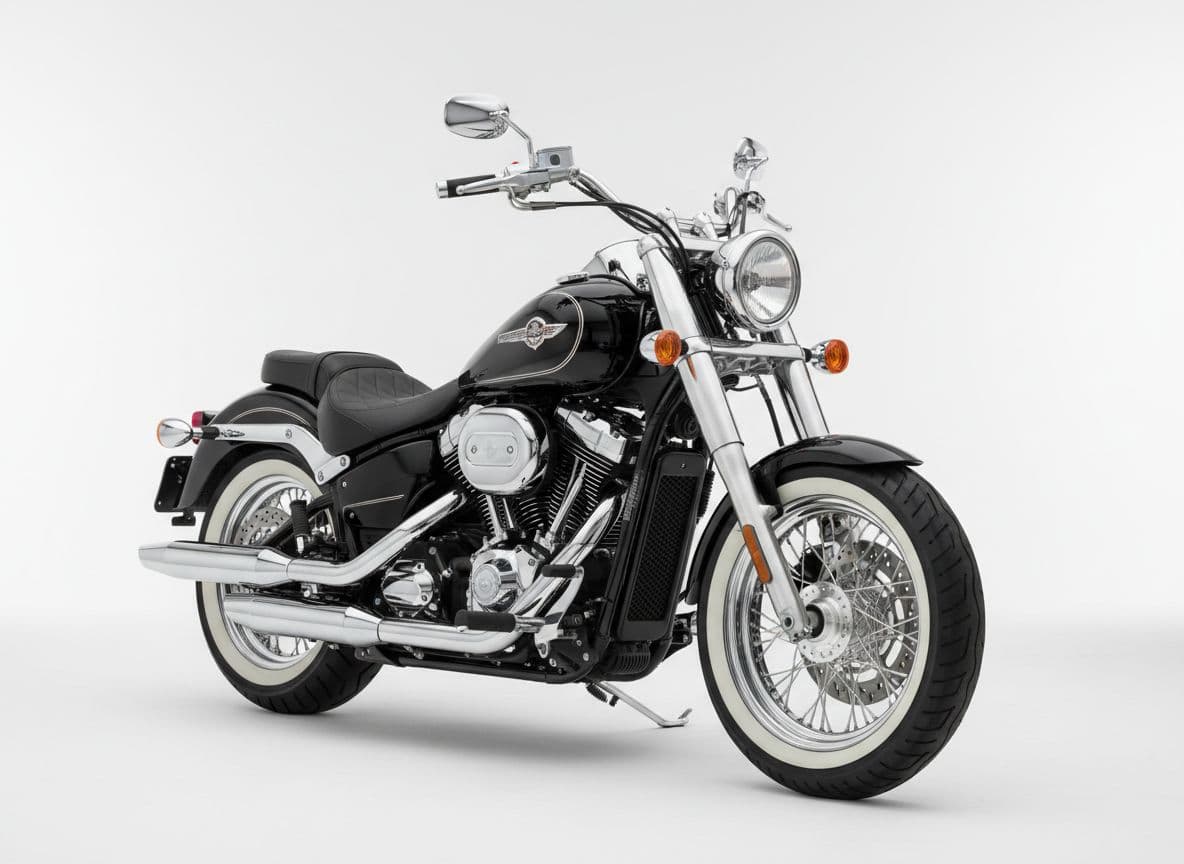
The motorcycle market is vast and varied, with values ranging from a few hundred dollars for common used bikes to millions for rare vintage machines. A 1951 Vincent Black Lightning sold for $929,000 at auction, and even more common vintage bikes from the 1960s-70s have seen dramatic appreciation. Classic Harley-Davidson, BMW, Triumph, and Norton motorcycles from the golden age of motorcycling regularly sell for $10,000-$100,000+. The market is also strong for modern collectible bikes from brands like Ducati, MV Agusta, and limited-edition Japanese sport bikes. Knowing your motorcycle's value is essential for setting the right price when selling, getting adequate insurance coverage, and understanding your asset.
Key Factors That Affect Motorcycles Value
Understanding what drives the price of motorcycles helps you get the most accurate valuation.
Make, Model & Year
Brand recognition drives value. Harley-Davidson, Triumph, BSA, Norton, and Vincent are the most collected vintage brands. Among Japanese bikes, early Honda CB750s, Kawasaki Z1s, and Yamaha XS650s have strong markets. The specific model year can make a huge difference - a first-year production model is often worth multiples of later versions.
Condition & Originality
Original, unrestored bikes in excellent condition ('survivor' bikes) command premium prices. Well-executed restorations also hold good value, but over-restoration or incorrect parts reduce value. Matching-numbers bikes (original engine and frame numbers matching factory records) are essential for high-value machines.
Mileage & Mechanical Condition
Lower mileage generally means higher value, especially for collectible bikes. A running, rideable motorcycle is worth more than a non-running project. However, extremely low mileage on a vintage bike can indicate long storage periods that may have caused their own issues.
Documentation & Provenance
Original title, service records, factory documentation, and ownership history add value. Bikes with documented celebrity ownership, racing history, or other notable provenance can be worth multiples of standard examples. Original purchase receipts and factory options sheets are highly valued.
Modifications & Accessories
For collectible bikes, stock-original condition is preferred. Tasteful period-correct modifications may be acceptable, but modern modifications on vintage bikes typically reduce value. Original exhaust systems, seats, and bodywork are important. For modern sport bikes, popular aftermarket parts may add some value.
Tips for Valuing Motorcycles
Get the most accurate valuation by following these tips when photographing your motorcycles.
Photograph the motorcycle from both sides, front, and rear showing overall condition
Include close-ups of the engine, tank, gauges, and any chrome or paint details
Show the VIN plate and any manufacturer plates or stickers
Note the mileage, whether it runs, and any known mechanical issues or modifications
Motorcycles Market Insights
The vintage motorcycle market has been on a strong upward trend, driven by baby boomer collectors and growing international demand. British bikes from the 1950s-70s (Triumph Bonneville, Norton Commando, BSA Gold Star) have seen steady appreciation. Vintage Harley-Davidsons, especially pre-1970 models, remain the blue chips of the market. Japanese bikes from the 1960s-70s represent the growing segment, with early Honda CB750s and Kawasaki Z1s now commanding $15,000-$40,000 in excellent condition. European classics from BMW, Ducati, and Moto Guzzi have strong followings. The market for 1990s-2000s sport bikes (particularly limited-edition models) is emerging as Gen X collectors enter the market. Online auction platforms like Bring a Trailer have made the market more transparent and accessible.
Notable Motorcycles Values
Real-world examples of what specific motorcycles have sold for, so you can benchmark your own.
| Motorcycle | Condition | Typical Value |
|---|---|---|
| 1969 Honda CB750 Four (Sand Cast) | Restored | $18,000 - $45,000+ |
| 1971 BSA Gold Star DBD34 | Running, Original | $12,000 - $28,000 |
| 1965 Harley-Davidson Electra Glide (Panhead) | Used, Rideable | $15,000 - $35,000 |
| 2004 Ducati 999R (homologation special) | Low Miles | $14,000 - $25,000 |
| 2007 Kawasaki Ninja ZX-6R | Used, High Miles | $3,500 - $6,500 |
| 1983 Yamaha RZ350 (US market) | Running | $4,500 - $10,000 |
| 2006 Honda CBR1000RR Fireblade | Used | $5,000 - $8,500 |
| 1923 Harley-Davidson J-Series (Flathead era) | Restored | $20,000 - $50,000+ |
| 2013 BMW R nineT (first year) | Used, Low Miles | $8,000 - $13,000 |
Based on eBay sold listings, Bring a Trailer auction records, Cycle Trader asking prices, and collector price guides.
Find Out What Your Motorcycles Are Worth
Upload a photo now and get a free AI-powered valuation in seconds. No sign-up required.
Motorcycles Valuation FAQ
How do I find out what year my motorcycle is?
The VIN (Vehicle Identification Number) contains the year of manufacture. For bikes made after 1981, the 10th character of the 17-digit VIN indicates the model year. Older bikes may have shorter VINs that require manufacturer-specific decoding. Engine and frame numbers can also be cross-referenced with production records. Our AI can help identify the year from photos of the bike and its VIN plate.
Are old motorcycles worth restoring?
It depends on the bike. Desirable vintage motorcycles (Triumph Bonneville, Norton Commando, early Honda CB series) can be worth restoring because finished values exceed restoration costs.common bikes or those requiring extensive work may cost more to restore than they'll be worth. Always get a valuation before investing in restoration. A professional restoration can cost $5,000-$30,000+.
Does a motorcycle need to run to be valuable?
Running motorcycles are worth more, but non-running bikes still have value - especially if the engine isn't seized and the bike is complete. Non-running but complete vintage bikes are often called 'barn finds' and have an active market. Parts bikes (incomplete, damaged, or seized) have the lowest values but can still be worth selling for parts to other restorers.
What vintage motorcycles are worth the most?
The most valuable include Vincent Black Lightning ($500,000-$1M+), Brough Superior SS100 ($300,000-$600,000), early Harley-Davidson board-track racers ($100,000+), and Crocker motorcycles ($300,000+). More accessible collectible bikes include Triumph Bonneville ($8,000-$25,000), Norton Commando ($10,000-$30,000), and Honda CB750 ($8,000-$20,000).
Motorcycles Guides & Articles

Value anything, anytime
Unlimited valuations, saved history and full reports in the free app.