Last updated: September 2026
How Much Is My Boat Worth?
Whether you own a bass boat, center console, pontoon, bowrider, sailboat, jet ski, or cabin cruiser, our AI analyzes your vessel's type, brand, size, and visible condition to provide an accurate market valuation. Get a realistic price before selling, trading in, or insuring your boat.
Get the free app for unlimited scans


Compare real prices
See what boats are listed for right now
Affiliate link: we earn a commission if you buy, at no extra cost to you.
What do you want to value?
Get the free app for unlimited scans
Why Knowing Your Boats Value Matters
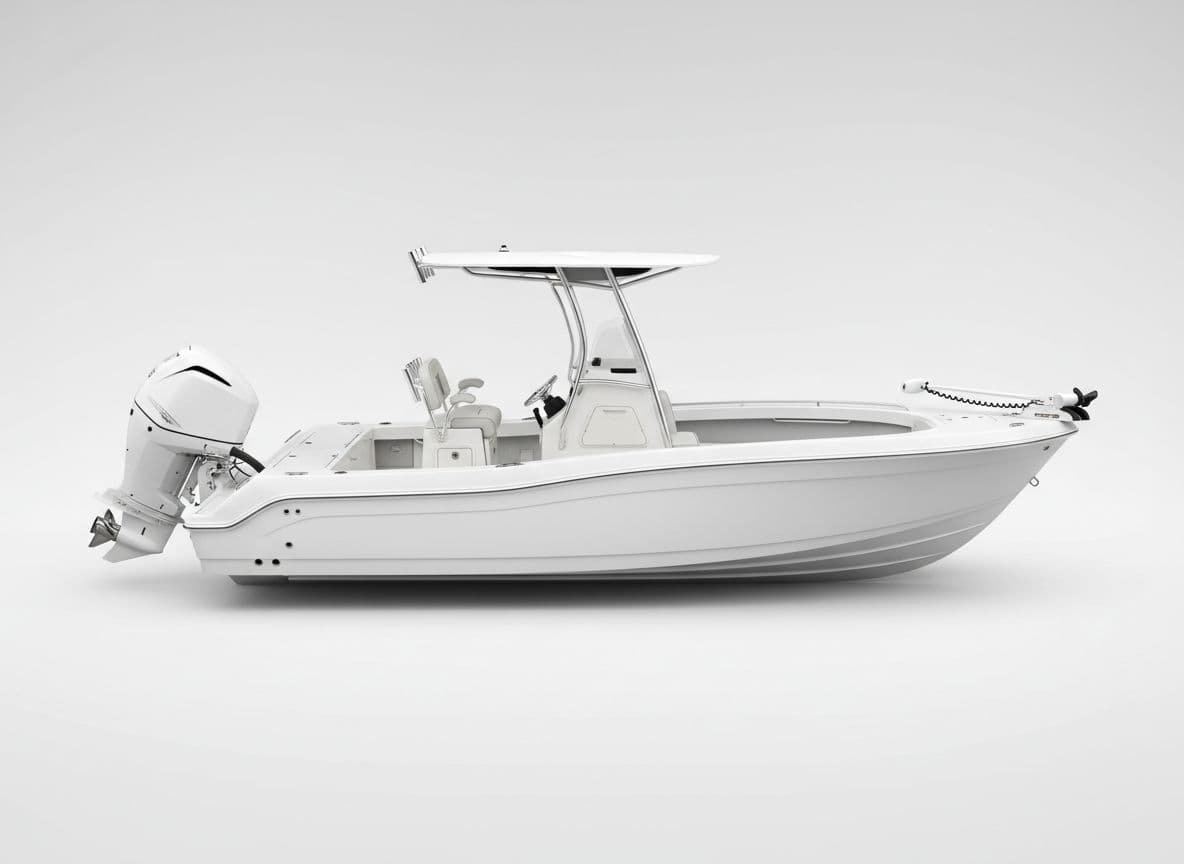
Boats are one of the most difficult assets to value accurately. Unlike cars, there is no universal 'Blue Book' that everyone trusts for boat pricing. NADA Guides and BUCValu provide estimates, but boat values vary wildly based on engine hours, maintenance history, trailer condition, and regional demand. A boat listed at $35,000 in Florida might sell for $25,000 in Minnesota simply due to the shorter boating season. Many boat owners are shocked to learn how much their boat has depreciated. The old saying that 'the two best days of a boat owner's life are the day they buy it and the day they sell it' exists for a reason. However, well-maintained boats from top brands can hold value surprisingly well. Knowing your boat's true market value helps you price it correctly, avoid lowball dealer offers, and make smart decisions about whether to sell, keep, or upgrade.
Key Factors That Affect Boats Value
Understanding what drives the price of boats helps you get the most accurate valuation.
Type & Brand
Brand reputation is critical in boating. Premium brands (Boston Whaler, Grady-White, Chris-Craft, Tracker) hold value much better than lesser-known manufacturers. Boston Whalers are legendary for holding value, often retaining 70-80% after 5 years. The type of boat matters too. Center consoles and fishing boats tend to hold value best, while bowriders and deck boats depreciate more.
Engine Hours & Condition
Engine hours are the 'mileage' of boats. Under 500 hours is low, 500-1000 is moderate, and over 1000 is high for most recreational boats. Engine type matters. Outboard engines are preferred for resale (easier to replace), while inboard/sterndrive engines are more complex. A well-maintained engine with service records is worth significantly more than one with unknown history.
Year & Length
Boats depreciate roughly 10-15% in the first year and 5-10% annually thereafter, slower than cars. Larger boats (over 25 feet) hold value better in absolute terms but cost more to maintain and store. Newer boats with modern electronics, seating designs, and engine technology command premiums over older models.
Trailer & Electronics
A boat with a good trailer is worth $2,000-$5,000 more than one without. Aluminum trailers are preferred over steel due to corrosion resistance. Updated electronics (GPS/fish finder combos from Garmin, Lowrance, Humminbird), stereo systems, and trolling motors add significant value. Outdated electronics can actually detract from perceived value.
Region & Season
Boat prices are highly seasonal and regional. In northern states, boats sell best in March-May as the season approaches and worst in September-November. In southern states, the market is more stable year-round. Saltwater boats in coastal areas and freshwater boats in lake regions have different buyer pools and pricing dynamics.
Tips for Valuing Boats
Get the most accurate valuation by following these tips when photographing your boats.
Photograph the boat from multiple angles on the water or on its trailer, showing the hull and deck condition
Include photos of the helm showing electronics, gauges, and engine hour meter
Photograph the engine(s), interior seating, and any storage compartments
Show the trailer condition if included, plus any accessories like covers, tops, or fishing equipment
Boats Market Insights
The boating market saw a massive boom during the pandemic as people sought outdoor recreation, with new and used boat sales reaching record levels. While the frenzy has cooled, used boat prices remain above pre-pandemic levels due to sustained interest from pandemic-era buyers. New boat inventory is recovering but wait times for popular models can still be significant. Pontoon boats have seen the strongest demand growth as more families enter boating. The used boat market is active on platforms like Boat Trader, Facebook Marketplace, and Craigslist, with dealer consignment also popular. Fuel prices and interest rates affect the market. When gas is expensive, smaller, more fuel-efficient boats see increased demand. If you are considering selling, spring is the optimal time to list in most regions.
Notable Boats Values
Real-world examples of what specific boats have sold for, so you can benchmark your own.
| Boat | Condition | Typical Value |
|---|---|---|
| Sea-Doo Spark (entry-level jet ski) | Used | $4,000 - $7,500 |
| Boston Whaler 17 Montauk (1970s-1990s) | Used | $8,000 - $22,000 |
| Lund 1775 Pro-V Bass Boat | Used | $18,000 - $32,000 |
| Pontoon Boat (20-22 ft, major brand, 5-10 yrs old) | Used | $15,000 - $35,000 |
| Bayliner Element (entry bowrider) | Used | $10,000 - $18,000 |
| Formula 350 Sun Sport (express cruiser) | Used | $55,000 - $120,000 |
| Catalina 22 (trailerable sailboat) | Used | $3,500 - $9,000 |
| Viking 52 Convertible (sport-fishing yacht) | Used | $350,000 - $750,000 |
| Ferretti 550 (motoryacht, 2005-2012) | Used | $280,000 - $550,000 |
Based on NADA Guides, BUCVehicle valuations, YachtWorld/Boat Trader brokerage listings, and eBay completed boat sales.
Find Out What Your Boats Are Worth
Upload a photo now and get a free AI-powered valuation in seconds. No sign-up required.
Boats Valuation FAQ
How fast do boats depreciate?
Boats typically lose 15-20% of their value in the first year, then 5-10% per year after that. However, depreciation varies significantly by brand and type. A Boston Whaler might retain 80% of its value after 5 years, while a lesser-known brand might retain only 40-50%. Well-maintained boats with low engine hours depreciate much slower than neglected ones. Unique or classic boats can actually appreciate if they become collectible.
Does my boat's engine hours matter that much?
Yes, engine hours are one of the most important value factors. For outboard engines, under 500 hours is considered low and commands premium pricing. At 1,000+ hours, buyers expect a significant discount. For inboard engines, the thresholds are slightly higher. However, consistent maintenance is more important than raw hours. A well-maintained engine with 800 hours and full service records can be worth more than a neglected engine with 300 hours.
When is the best time to sell my boat?
In northern regions, list your boat in February-April for the best prices as buyers prepare for the boating season. You will get 10-20% more than listing in fall. In southern states (Florida, Texas, the Carolinas), the market is more consistent year-round, though spring still has an edge. Avoid listing in late fall or winter in northern markets. Buyers expect steep discounts if you are selling off-season.
Should I sell my boat with or without the trailer?
Almost always sell with the trailer if you have one. A boat-trailer package is much easier to sell and commands a better total price. A good trailer adds $2,000-$5,000 to the package value. Selling separately only makes sense if the trailer is worth significantly more or less than the boat, or if the boat is large enough to typically be kept at a marina slip rather than trailered.
Is my old boat worth fixing up to sell?
It depends on the brand and extent of repairs needed. For premium brands (Boston Whaler, Grady-White, Mako), investing in cosmetic and mechanical repairs usually pays off because these brands command strong resale prices. For lesser brands, major repairs (engine rebuild, transom replacement, floor replacement) often cost more than the added value. Cosmetic improvements like cleaning, waxing, new upholstery, and replacing worn canvas are almost always worth it regardless of brand.
Value anything, anytime
Unlimited valuations, saved history and full reports in the free app.