Last updated: September 2026
How Much Is My RV Worth?
Whether you own a Class A motorhome, Class C RV, travel trailer, fifth wheel, camper van, or pop-up camper from brands like Airstream, Winnebago, Thor, Forest River, or Coachmen, our AI analyzes your RV's type, brand, and condition to provide an accurate market valuation. Get a realistic price before selling, trading in, or consigning your recreational vehicle.
Get the free app for unlimited scans


Compare real prices
See what rvs are listed for right now
Affiliate link: we earn a commission if you buy, at no extra cost to you.
What do you want to value?
Get the free app for unlimited scans
Why Knowing Your RVs Value Matters
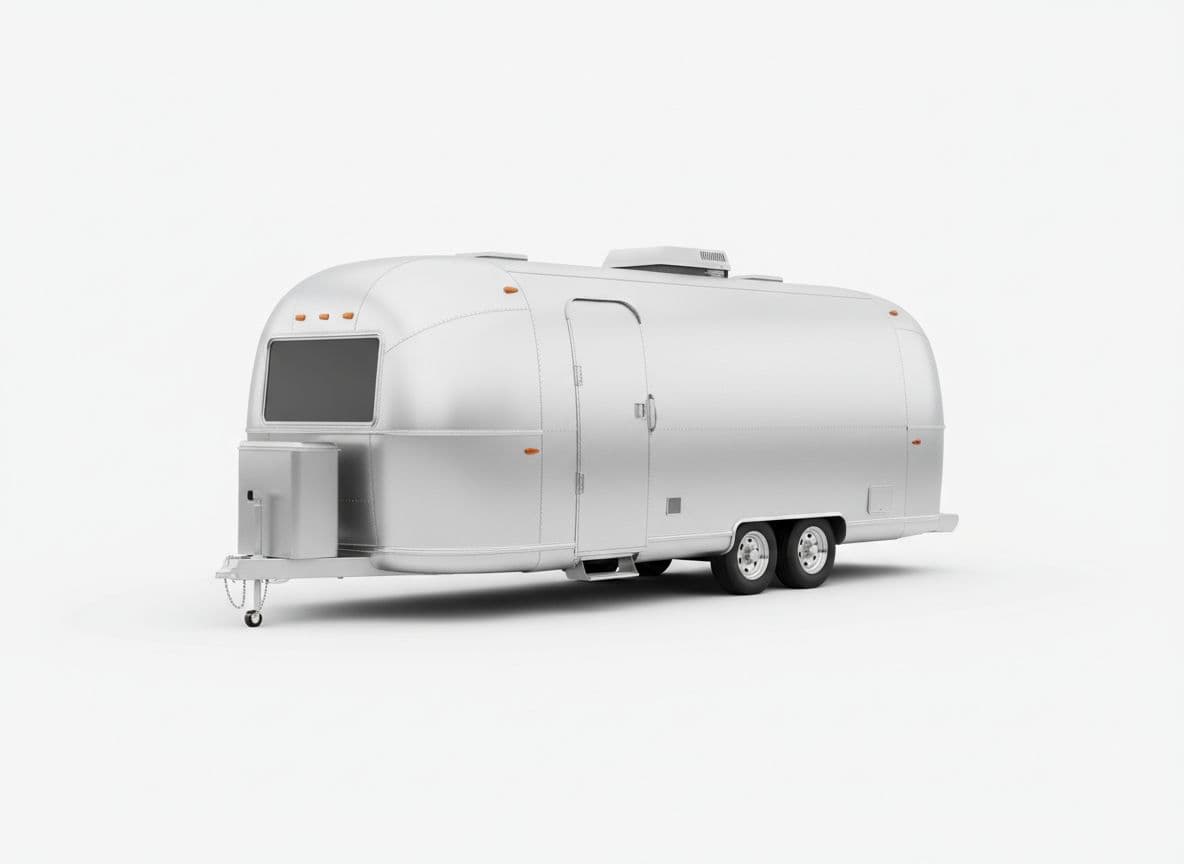
RVs are major purchases. New motorhomes range from $80,000 to over $500,000, and even travel trailers can cost $20,000-$80,000. Yet RV depreciation is among the steepest of any asset class, with many units losing 20-30% in the first year alone. This makes knowing your RV's current value essential before selling. Dealer trade-in offers are notoriously low, often 30-50% below private sale value. A $60,000 travel trailer purchased three years ago might get a $25,000 trade-in offer when it could sell for $35,000-$40,000 privately. The RV market is also highly seasonal and cyclical, with prices swinging 15-25% between peak and off-peak seasons. Understanding your RV's true market value helps you time your sale correctly and choose the right selling channel.
Key Factors That Affect RVs Value
Understanding what drives the price of rvs helps you get the most accurate valuation.
Type & Class
Class A motorhomes are the most expensive but depreciate the fastest in dollar terms. Class C motorhomes offer a middle ground. Travel trailers and fifth wheels are most popular and have an active resale market. Airstream travel trailers hold value significantly better than other brands, often retaining 60-70% after 5 years. Pop-up campers and truck campers depreciate less in dollar terms but more in percentage terms.
Brand & Build Quality
Brand reputation is crucial. Premium brands like Airstream, Winnebago, Tiffin, and Newmar hold value best. Mid-range brands like Jayco, Grand Design, and Keystone have solid resale markets. Budget brands and entry-level manufacturers depreciate fastest. Build quality varies enormously. Delamination, water leaks, and structural issues are common in lower-quality brands and devastate resale value.
Length, Layout & Slides
Floor plan is a major value factor. Popular layouts with rear kitchens, bunkhouses, or outdoor kitchens sell faster. Slide-outs add living space and value when working properly, but slide problems are expensive to fix and concern buyers. Shorter RVs (under 30 ft) are increasingly popular as campground sites have limited space and more states restrict oversized vehicle parking.
Condition & Water Damage
Water damage is the number one value killer in RVs. Soft spots in walls or floors, staining on ceilings, musty odors, and delamination signal water intrusion and can reduce value by 30-60% or make an RV essentially unsellable. Tire condition, appliance function, and roof condition are also critical. A well-maintained RV with a recently resealed roof and documented maintenance commands a significant premium.
Mileage & Usage
For motorhomes, engine mileage and generator hours are important. Under 30,000 miles is low for Class A/C motorhomes. For towable RVs, usage is harder to quantify, but overall condition tells the story. Full-time lived-in RVs show more wear and are worth less than occasionally used vacation units. Chassis condition and tire age (replace every 5-7 years regardless of tread) affect both value and safety.
Tips for Valuing RVs
Get the most accurate valuation by following these tips when photographing your rvs.
Photograph the exterior from multiple angles showing the overall condition, awning, and slide-outs
Include interior photos of the kitchen, bathroom, sleeping areas, and any damage or wear
Show the roof condition, tires, and any exterior damage or delamination
Photograph the engine bay or tongue area, and include the odometer or hour meter reading for motorhomes
RVs Market Insights
The RV market experienced a historic boom during 2020-2021, with first-time buyers flooding the market. Many of those pandemic-era buyers are now selling their RVs, creating a glut of 2-4 year old used units that has driven prices down significantly from peak levels. Dealer lots are full and private sellers face competition. Despite this correction, the long-term trend for RV travel remains positive, with younger demographics embracing the lifestyle. Airstream and premium brands have been most resilient. The rise of the van life movement has created strong demand for camper vans and Class B motorhomes. If you are selling, pricing competitively is essential in the current buyer's market. Overpriced units sit for months.
Notable RVs Values
Real-world examples of what specific rvs have sold for, so you can benchmark your own.
| RV | Condition | Typical Value |
|---|---|---|
| Airstream Classic 33FB Travel Trailer | Used, Good | $80,000 - $130,000 |
| Thor Motor Coach Axis 24.1 Class B+ Motorhome | Used, Fair | $45,000 - $75,000 |
| Winnebago Revel 44E Sprinter Van (4x4) | Used, Good | $90,000 - $140,000 |
| Forest River Rockwood 2516F Pop-Up Camper | Used, Good | $8,000 - $16,000 |
| Keystone Montana 3855BR Fifth Wheel | Used, Good | $35,000 - $65,000 |
| Fleetwood Bounder 35P Class A Motorhome (Diesel) | Used, Fair-Good | $60,000 - $120,000 |
| Coachmen Apex Nano 208BHS Travel Trailer | Used, Good | $18,000 - $28,000 |
| Newmar King Aire 4553 Class A Diesel Pusher | Used, Good | $250,000 - $500,000+ |
| Jayco Jay Feather 25BH Travel Trailer | Used, Fair | $12,000 - $22,000 |
Based on NADA Guides, RV Trader sold listings, and dealer asking prices across major RV marketplaces.
Find Out What Your RVs Are Worth
Upload a photo now and get a free AI-powered valuation in seconds. No sign-up required.
RVs Valuation FAQ
How fast do RVs depreciate?
RVs depreciate faster than most people expect. A typical new RV loses 20-30% of its value in the first year and about 10-15% per year for the next several years. After 5 years, most RVs are worth 40-55% of their original purchase price. Motorhomes depreciate more in dollar terms than travel trailers. Airstream is the notable exception, holding value much better than other brands. Buying a 2-3 year old used RV is often the best value proposition.
Is it better to sell my RV privately or trade it in?
Private sales typically yield 25-40% more than dealer trade-ins for RVs. Dealers need room for profit, reconditioning, and carrying costs. A travel trailer with a $30,000 private sale value might get a $18,000-$22,000 trade-in offer. However, selling an RV privately can take 2-6 months and requires dealing with tire-kickers, test drives, and financing complications. Consignment with an RV dealer is a middle ground. You get more than trade-in but less than private sale, and the dealer handles showings.
Does water damage ruin an RV's value?
Water damage is the most devastating issue for RV resale value. Even minor water damage that has been repaired raises red flags for buyers. Significant water damage. Soft floors, delaminated walls, mold, or structural rot. Can make an RV essentially worthless regardless of its age or brand. If you suspect water damage, have it professionally inspected before listing. Prevention (annual roof resealing, checking seams) is far cheaper than repair.
When is the best time to sell my RV?
The best time to sell an RV is February through May, as buyers prepare for the camping season. Prices are typically 15-25% higher in spring than in fall. The worst time to sell is October through January, when demand drops and buyers expect steep discounts. In Sun Belt states (Florida, Arizona, Texas), the market is more consistent year-round. If you can, start listing in early March to catch the spring wave of buyers.
What is my Airstream worth compared to other travel trailers?
Airstream trailers hold their value dramatically better than any other travel trailer brand. A 5-year-old Airstream typically retains 60-70% of its original value, compared to 40-50% for most other premium brands and 30-40% for budget brands. Vintage Airstreams from the 1960s-1970s in restorable condition sell for $10,000-$30,000, and fully restored vintage Airstreams can fetch $80,000-$150,000+. The iconic aluminum design, build quality, and loyal community all support Airstream's exceptional resale values.
Value anything, anytime
Unlimited valuations, saved history and full reports in the free app.