Last updated: September 2026
How Much Is My Camper Worth?
Whether you have a pop-up camper, travel trailer, fifth wheel, truck camper, or teardrop trailer, our AI analyzes the brand, model year, length, and condition to provide an accurate market valuation. Get a fair price before selling privately, trading in at a dealer, or consigning your camper.
Get the free app for unlimited scans


Compare real prices
See what campers are listed for right now
Affiliate link: we earn a commission if you buy, at no extra cost to you.
What do you want to value?
Get the free app for unlimited scans
Why Knowing Your Campers Value Matters
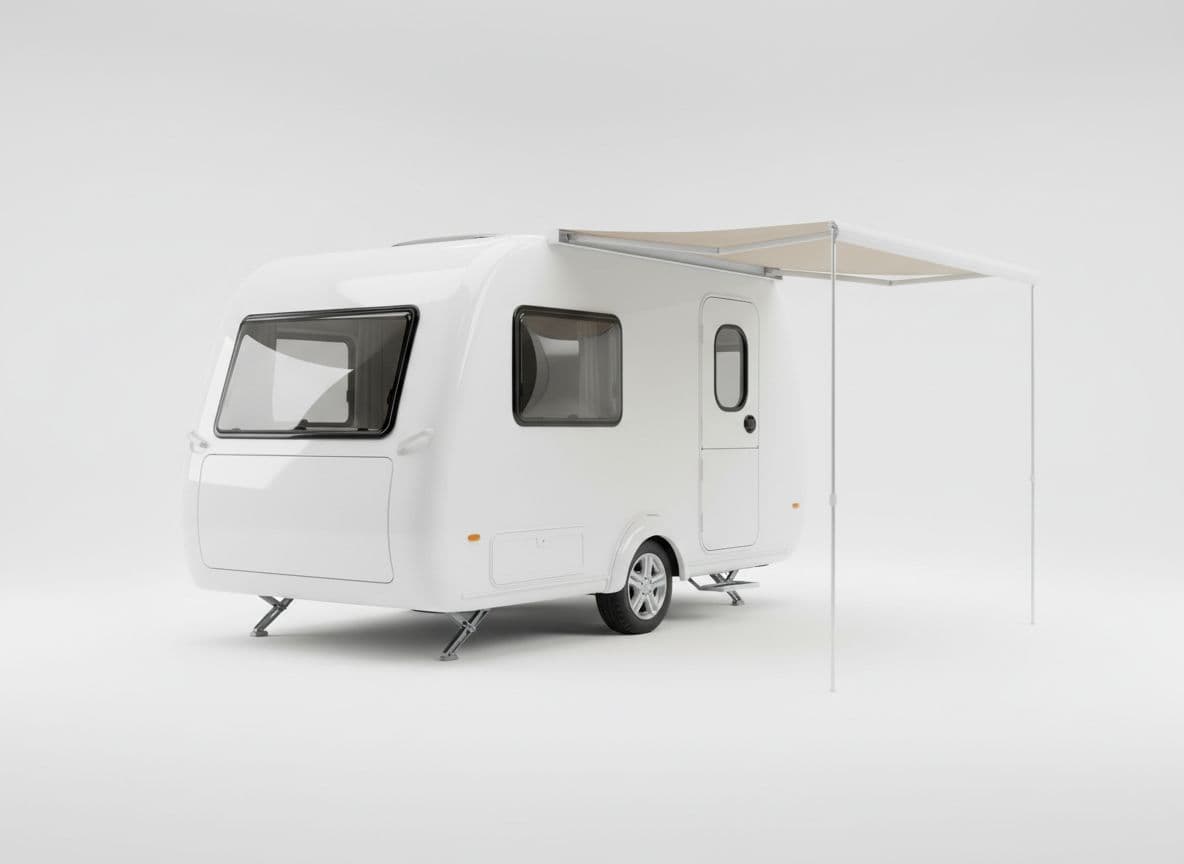
Campers and travel trailers represent a massive and diverse market segment with values ranging from $1,000 for a basic pop-up to $100,000+ for a luxury fifth wheel. Unlike motorhomes, towable campers depreciate at varying rates depending on brand quality, condition, and market demand. Well-known brands like Airstream hold their value exceptionally well, often retaining 70-80% of their value after five years, while budget manufacturers may lose 40-60% in the same period. The used camper market surged during the pandemic outdoor boom and while prices have normalized somewhat, quality units remain in strong demand. Many camper owners underestimate the impact of water damage, which is the number one value killer. Even small leaks can cause thousands in hidden damage. Conversely, sellers of well-maintained campers with no water damage history often underprice their units. Whether you are upgrading, downsizing, or getting out of camping entirely, an accurate valuation ensures you price your camper correctly for the current market.
Key Factors That Affect Campers Value
Understanding what drives the price of campers helps you get the most accurate valuation.
Brand & Manufacturer
Airstream is the gold standard for value retention, with vintage models often worth more than their original price. Other strong brands include Grand Design, Winnebago, Oliver, and Lance. Mid-tier brands (Jayco, Forest River, Coachmen) hold moderate value. Budget brands (Coleman, Keystone Hideout, Starcraft) depreciate faster. Within each brand, higher-trim models and longer floor plans generally hold value better.
Type & Floor Plan
Travel trailers (16-35 feet) are the most common and have the broadest market. Fifth wheels command higher absolute prices but depreciate at similar rates. Pop-up campers are affordable entry points worth $2,000-$8,000 used. Truck campers hold value well due to limited production. Teardrop trailers have a cult following that supports strong prices. Bunkhouse floor plans appeal to families, while couples prefer rear-bath layouts.
Condition & Water Damage
Water damage is the most critical condition factor for campers. Delaminated walls, soft floors, musty smells, and stained ceilings indicate water intrusion and can reduce value by 30-60% or make a camper unsellable. Roof condition. Membrane age, sealant integrity, and any previous repairs. Is essential. Interior condition including upholstery, appliances, flooring, and cabinetry all contribute to overall value.
Age & Model Year
Campers typically lose 15-25% of value in the first year and 40-60% within five years, but the curve varies by brand. Well-maintained 10-year-old campers from quality brands still hold reasonable value. Vintage campers (1960s-1980s) have a collector market, with restored canned-ham trailers and vintage Airstreams commanding premium prices. Very old campers with outdated systems and materials have minimal value unless restored.
Systems & Appliances
Working appliances (refrigerator, furnace, water heater, air conditioner, stove) are expected and their absence reduces value significantly. Upgraded solar panels, lithium battery banks, inverters, and off-grid capabilities add substantial value in the current market. Working slide-outs, leveling systems, awnings, and entertainment systems all contribute to the overall package. The condition of tires, brakes, bearings, and the suspension system affects both value and safety.
Tips for Valuing Campers
Get the most accurate valuation by following these tips when photographing your campers.
Photograph the exterior from all sides showing the overall profile, condition of the walls, roof, and any slide-outs
Include interior photos of the main living area, kitchen, bathroom, and sleeping areas showing cleanliness and condition
Capture close-ups of any water damage indicators. Ceiling stains, wall delamination, soft spots near windows and corners
Show the underside including tires, frame, and any visible suspension or hitch components
Campers Market Insights
The used camper market has cooled from its pandemic peak but remains active, with prices stabilizing above pre-2020 levels. NADA and J.D. Power guides provide baseline values, but private sale prices on RV Trader, Facebook Marketplace, and Craigslist often differ from book values based on local demand and condition. Airstreams continue to command premium prices and sell quickly. Grand Design has emerged as a top brand for value retention due to build quality. The off-grid and boondocking trend has increased demand for campers with solar, lithium, and dry camping capabilities. Seasonal pricing is significant. Campers sell for 10-20% more in spring and early summer. Dealer trade-in values typically run 25-40% below private sale prices. If you are selling, investing in a professional detail and addressing any minor maintenance issues before listing can yield a strong return.
Notable Campers Values
Real-world examples of what specific campers have sold for, so you can benchmark your own.
| Camper | Condition | Typical Value |
|---|---|---|
| Airstream Bambi 16RB Travel Trailer | Used - Good | $28,000 - $45,000 |
| Airstream Flying Cloud 23FB Travel Trailer | Used - Good | $45,000 - $75,000 |
| Vintage Airstream Overlander (1960s-70s) | Restored | $30,000 - $90,000+ |
| Jayco Jay Sport Pop-Up Camper | Used - Fair | $3,500 - $8,500 |
| Coleman Fleetwood Pop-Up Camper (2000s) | Used - Fair | $2,500 - $6,500 |
| Northstar TC650 Truck Camper | Used - Good | $12,000 - $22,000 |
| Lance 650 Truck Camper | Used - Good | $18,000 - $32,000 |
| Forest River Rockwood Freedom Pop-Up | Used - Good | $5,500 - $11,000 |
| Teardrop Trailer (Generic Manufacturer, 4x8 style) | Used - Good | $3,000 - $9,000 |
Based on eBay sold listings, RVTrader asking prices, and private-party sale records across major RV marketplaces.
Find Out What Your Campers Are Worth
Upload a photo now and get a free AI-powered valuation in seconds. No sign-up required.
Campers Valuation FAQ
How much do campers depreciate?
Average campers lose 15-25% of value in the first year and 40-60% within five years. Airstreams depreciate only 10-15% in the first year and hold value best long-term. Budget brands can lose 30-40% in the first year. After 10 years, most campers are worth 25-40% of their original price, though condition and brand heavily influence this. Vintage and classic campers (20+ years) can appreciate if well-maintained or restored.
How do I check for water damage in a camper?
Press firmly on walls near all windows, corners, and seams. Soft or spongy areas indicate water damage. Check the ceiling for stains, discoloration, or bubbling. Open all cabinets and smell for musty or mildew odors. Inspect the roof for cracked sealant, torn membrane, or standing water. Check the floor for soft spots, especially near the door, toilet, and kitchen. Examine the underside for water stains on the subfloor. Water damage is the most common and costly issue in used campers.
Should I sell my camper to a dealer or privately?
Private sales typically yield 25-40% more than dealer trade-in values. However, dealers offer convenience. No advertising, no dealing with tire-kickers, and quick transactions. Consignment through a dealer is a middle ground, though commission rates of 10-20% reduce your net proceeds. For desirable brands (Airstream, Grand Design) in good condition, private sales are almost always worth the extra effort.
What is the best time of year to sell a camper?
Spring (March through May) is the best time to sell, as buyers plan for camping season. You will get 10-20% more than selling in fall or winter. January and February are the slowest months. If you need to sell in the off-season, pricing 10-15% below market can attract deal-seeking buyers. In Sun Belt states, the seasonal variation is less pronounced since camping is year-round.
Are pop-up campers worth buying or selling?
Pop-up campers are the most affordable camping option and have a dedicated market. Used pop-ups in good condition typically sell for $2,000-$6,000, with premium brands (Jayco, Flagstaff) at the higher end. They are easy to tow, store in a garage, and maintain. Canvas condition is the biggest value factor. New canvas costs $1,000-$2,500 to replace. Pop-ups sell well on Facebook Marketplace and Craigslist to first-time camping families.
Value anything, anytime
Unlimited valuations, saved history and full reports in the free app.