Last updated: September 2026
How Much Is My Jet Ski Worth?
Whether you have a Yamaha WaveRunner, Sea-Doo, Kawasaki Jet Ski, or any other personal watercraft (PWC), our AI analyzes the brand, model year, engine hours, and condition to provide an accurate market valuation. Get a fair price before selling privately, trading in at a dealer, or listing online.
Get the free app for unlimited scans


Compare real prices
See what jet skis are listed for right now
Affiliate link: we earn a commission if you buy, at no extra cost to you.
What do you want to value?
Get the free app for unlimited scans
Why Knowing Your Jet Skis Value Matters
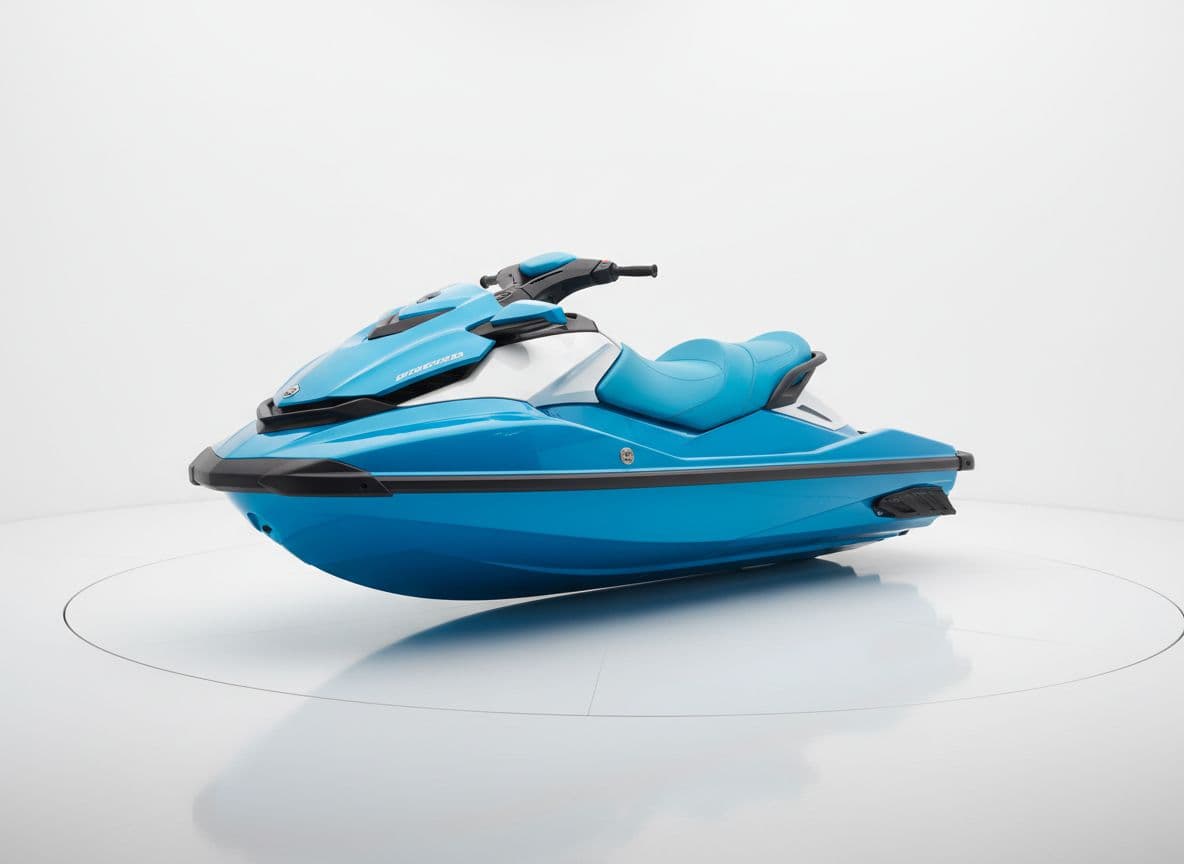
Personal watercraft represent a significant investment. New jet skis range from $6,000 for entry-level models to $20,000+ for performance and luxury models. They depreciate faster than boats but slower than many recreational vehicles, typically retaining 50-65% of their value after five years if well-maintained. Engine hours are the critical wear metric, similar to mileage on cars, and many sellers do not accurately account for hour count in their pricing. A jet ski with 50 hours and one with 300 hours are worth dramatically different amounts even if they look identical. Seasonal demand creates significant price swings. A jet ski listed in May will sell for 15-25% more than the same unit listed in October. Many jet ski owners also underestimate the impact of trailer condition on the sale price, as a good trailer adds $500-$1,500 in value. Whether you are upgrading, downsizing, or liquidating recreational assets, knowing the current market value of your PWC ensures you price it right for a timely sale at fair value.
Key Factors That Affect Jet Skis Value
Understanding what drives the price of jet skis helps you get the most accurate valuation.
Brand & Model
Sea-Doo (BRP), Yamaha WaveRunner, and Kawasaki dominate the PWC market. Sea-Doo generally holds value best due to innovation leadership and broad model range. Yamaha is known for reliability and strong resale. Kawasaki appeals to performance enthusiasts with the Ultra and STX lines. Within brands, top-tier models (Sea-Doo RXP-X, Yamaha GP1800R, Kawasaki Ultra 310) hold value better than entry-level models.
Engine Hours
Engine hours are the most important depreciation factor after age. Low-hour jet skis (under 50 hours) command premium prices. Most recreational PWCs are used 30-75 hours per season. A jet ski with under 100 total hours is considered low-use. Over 300 hours indicates heavy use, and values drop accordingly. Supercharged models require more expensive maintenance at specific hour intervals, so approaching service thresholds reduces value.
Model Year & Generation
Jet skis depreciate 15-25% in the first year and 5-10% annually thereafter. Current-generation models hold value best. Major redesigns (like Sea-Doo's 2018 ST3 hull introduction or Yamaha's 2021 GP1800R SVHO update) make previous-generation models less desirable. Models older than 10 years have limited value ($2,000-$5,000) regardless of condition unless they are low-hour and pristine.
Condition & Maintenance
Hull condition (no cracks, gouges, or gel coat damage), engine health (starts easily, runs smoothly, no overheating), and interior condition (seat, gauges, controls) all affect value. Winterization history is critical in cold climates. A jet ski not properly winterized can suffer engine damage worth thousands. Supercharged models need documented intercooler and supercharger maintenance. A jet ski with full service records is worth 10-15% more.
Trailer & Accessories
A quality trailer in good condition adds $500-$1,500 to the sale price. Galvanized or aluminum trailers hold value better than painted steel trailers in marine environments. Covers, dock systems, and aftermarket accessories (speakers, GPS, intake grates) add modest value. The original owner's manual, keys (including spare lanyard keys), and any remaining factory warranty transfer increase buyer confidence.
Tips for Valuing Jet Skis
Get the most accurate valuation by following these tips when photographing your jet skis.
Photograph the jet ski from all sides on its trailer showing the hull condition, seat, and overall appearance
Include a close-up of the hour meter (on the gauge cluster or information display) showing total engine hours
Show the engine compartment if accessible. Cleanliness and lack of corrosion indicate good maintenance
Photograph the trailer separately showing the frame condition, tires, bunks or rollers, and lights
Jet Skis Market Insights
The personal watercraft market is heavily seasonal, with the buying season running from March through July in most of the United States. Prices can vary 15-25% between peak season and off-season. NADA and J.D. Power provide baseline values, but actual transaction prices on platforms like PWC Trader, Facebook Marketplace, and Craigslist vary based on local demand and supply. The PWC market recovered strongly from the pandemic boom and has stabilized with healthy demand. Sea-Doo's continued innovation (iBR braking, LinQ accessories, intelligent throttle control) drives their resale values. Three-seater models are the most in-demand for family use. The market for older two-stroke jet skis (pre-2005) is declining as environmental regulations and parts availability become concerns. If selling, listing in early spring with fresh winterization service and a clean presentation maximizes your return.
Notable Jet Skis Values
Real-world examples of what specific jet skis have sold for, so you can benchmark your own.
| Jet Ski | Condition | Typical Value |
|---|---|---|
| Sea-Doo Spark 60hp (2-up) | Used, Good | $3,500 - $5,500 |
| Yamaha WaveRunner FX HO (2018-2022) | Used, Good | $9,000 - $13,000 |
| Kawasaki Ultra 310X (2014-2018) | Used, Good | $8,500 - $12,500 |
| Sea-Doo RXP-X 300 (2018-2022) | Used, Low Hours | $11,000 - $16,000 |
| Yamaha SuperJet (standup, 2020+) | Used, Good | $5,500 - $8,000 |
| Sea-Doo Fish Pro Trophy (2022+) | Used, Good | $13,000 - $17,500 |
| Kawasaki Ultra 160 / 300LX (2008-2015) | Used, Higher Hours | $4,500 - $7,500 |
| Sea-Doo GTX Limited 300 (2020-2023) | Used, Low Hours | $14,000 - $19,000 |
| Vintage Kawasaki JS550 Standup (1980s) | Restored | $1,500 - $4,500 |
Based on recent private-party and dealer listings on PWCTrader, eBay sold listings, and NADA Guides watercraft valuations.
Find Out What Your Jet Skis Are Worth
Upload a photo now and get a free AI-powered valuation in seconds. No sign-up required.
Jet Skis Valuation FAQ
How many hours is a lot on a jet ski?
For recreational use, under 100 total hours is considered low, 100-300 hours is moderate, and over 300 hours is high use. Most recreational riders put 30-75 hours per year on a jet ski. Rental fleet jet skis may accumulate 200-500+ hours per season. The engine itself can last 300-500+ hours with proper maintenance, but high hours significantly reduce resale value regardless of mechanical condition.
What is the best time to sell a jet ski?
Spring (March through May) is the best time to sell, as buyers prepare for summer. You can expect 15-25% higher prices compared to fall or winter listings. Early spring is ideal. Before the market is flooded with summer listings but when buyers are actively searching. If you must sell in fall or winter, pricing competitively and offering indoor storage or delivery can attract off-season deal seekers.
Do jet skis hold their value?
Jet skis hold value moderately well compared to other recreational vehicles. Expect 15-25% depreciation in the first year, then 5-10% annually. After five years, a well-maintained jet ski typically retains 50-65% of its original value. Sea-Doo and Yamaha tend to hold value best. Performance and luxury models depreciate less in percentage terms than entry-level models. Low hours and documented maintenance are the keys to maximum value retention.
Should I service my jet ski before selling?
Yes, basic pre-sale service pays for itself. An oil change, spark plugs, and impeller inspection ($100-$200) gives buyers confidence and justifies a higher asking price. If the jet ski has been sitting, ensure it starts easily and runs properly. A non-starting jet ski loses 30-50% of its potential value. However, major repairs (supercharger rebuild at $800-$1,200, engine work) may not provide a positive return. Consider selling as-is at a reduced price.
Can I sell a jet ski without a title?
Selling without a title is very difficult and drastically reduces value. Most states require titles for PWC registration, and buyers cannot legally register a jet ski without one. If you have lost the title, contact your state's DMV or wildlife/boating agency for a duplicate. If you purchased without a title, bonded title processes exist in most states but take time. Always resolve title issues before listing for sale.
Value anything, anytime
Unlimited valuations, saved history and full reports in the free app.