Last updated: September 2026
How Much Is My Truck Worth?
Whether you own a Ford F-150, Chevy Silverado, RAM 1500, Toyota Tacoma, GMC Sierra, or any other pickup truck, our AI identifies your truck's make, model, year, trim, and condition to provide an accurate market valuation. Get a realistic resale or trade-in price before selling, upgrading, or negotiating.
Get the free app for unlimited scans


Compare real prices
See what trucks are listed for right now
Affiliate link: we earn a commission if you buy, at no extra cost to you.
What do you want to value?
Get the free app for unlimited scans
Why Knowing Your Trucks Value Matters
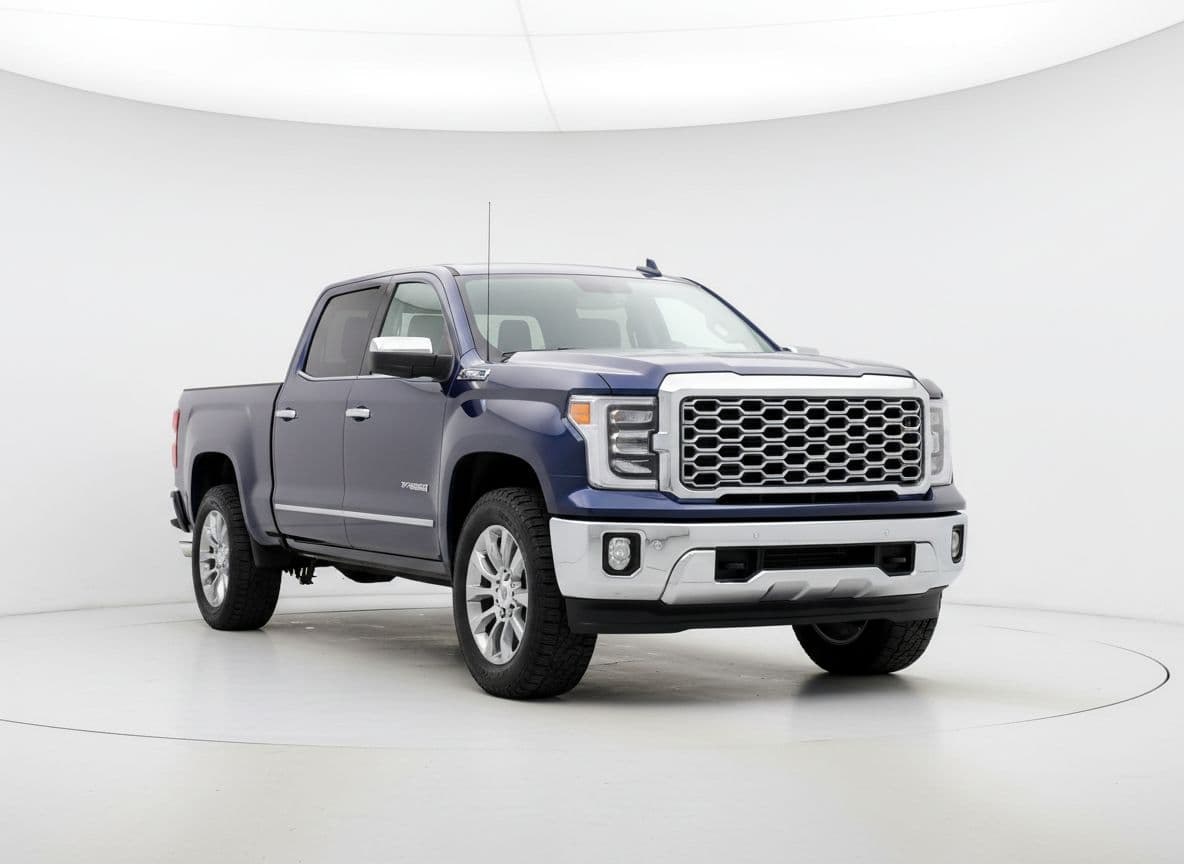
Pickup trucks are the best-selling vehicles in America and hold their value better than almost any other vehicle category. A well-maintained truck can retain 60-75% of its value after three years, and popular models like the Toyota Tacoma and Ford F-150 have some of the strongest resale values in the industry. However, truck pricing is complex. Trim levels, cab configurations, bed lengths, engine options, and 4WD vs 2WD create enormous price ranges within the same model. A base Ford F-150 XL and a fully loaded F-150 Platinum can differ by $35,000 new and $20,000 used. Knowing your truck's precise market value ensures you don't accept a lowball trade-in offer or underprice a private sale. Many truck owners underestimate their vehicle's worth, especially if it has desirable features like a diesel engine, 4WD, or a specific cab/bed configuration.
Key Factors That Affect Trucks Value
Understanding what drives the price of trucks helps you get the most accurate valuation.
Make, Model & Trim Level
Toyota Tacoma and Tundra hold value best, followed by Ford F-150, Chevy Silverado/GMC Sierra, and RAM 1500. Trim level is critical. A Silverado LTZ or High Country is worth dramatically more than a base Work Truck. Limited, Platinum, and Denali trims command significant premiums on the used market.
Cab & Bed Configuration
Crew cab (4-door) trucks are the most popular and hold value best. Extended cab and regular cab trucks are less desirable for resale, selling for 10-20% less. Short beds (5.5 ft) are most popular for daily drivers, while long beds (6.5-8 ft) are preferred by contractors and hold value in work truck markets.
Drivetrain & Engine
4WD trucks command a significant premium over 2WD. Typically $3,000-$7,000 more on the used market depending on location. Diesel engines (Cummins, Duramax, Power Stroke) hold value exceptionally well and command premiums of $5,000-$15,000 over gas equivalents, especially in heavy-duty trucks.
Mileage & Condition
Trucks with under 60,000 miles command strong premiums. Work trucks with high miles but good mechanical maintenance still hold value for buyers prioritizing utility. Bed condition matters. Scratches and dents in the bed are expected, but rust, frame damage, or body damage significantly reduce value. A spray-in bedliner and tonneau cover add value.
Modifications & Accessories
Tasteful modifications can add value: lift kits from reputable brands, aftermarket wheels and tires, tonneau covers, running boards, and toolboxes. However, extreme modifications, unreliable aftermarket parts, or poorly done lifts can actually reduce value. Factory options like tow packages, off-road packages, and technology packages add significant resale value.
Tips for Valuing Trucks
Get the most accurate valuation by following these tips when photographing your trucks.
Photograph the truck from all angles including the front three-quarter view, rear, and both sides
Include a photo of the truck bed showing condition, any liner, and accessories
Photograph the interior including the dashboard, seats, and center console
Show the odometer, any lift or modifications, and the tires/wheels clearly
Trucks Market Insights
The pickup truck market remains the strongest segment of the US automotive market. The Ford F-Series has been America's best-selling vehicle for over four decades, and the combined truck market represents roughly 20% of all vehicle sales. Used truck prices peaked during the 2021-2022 shortage but have remained elevated compared to pre-pandemic levels. Diesel trucks, particularly the RAM 2500/3500 Cummins and Ford Super Duty Power Stroke, have developed an almost cult-like following and command extraordinary resale values. The introduction of electric trucks (Ford F-150 Lightning, Rivian R1T, Chevy Silverado EV) is adding a new dimension to the market, though gas and diesel trucks continue to dominate resale. Mid-size trucks like the Tacoma, Colorado, and Ranger have seen surging demand as full-size truck prices have risen.
Notable Trucks Values
Real-world examples of what specific trucks have sold for, so you can benchmark your own.
| Truck | Condition | Typical Value |
|---|---|---|
| 2021 Ford F-150 (XLT, 4x4, ~50k miles) | Used | $28,000 - $38,000 |
| 2022 Toyota Tacoma TRD Off-Road (4x4) | Used | $35,000 - $45,000 |
| 2019 RAM 1500 Classic (Work Truck, 2WD, ~80k miles) | Used | $18,000 - $24,000 |
| 2023 Chevrolet Silverado 1500 LTZ (Crew Cab, 4x4) | Used | $42,000 - $52,000 |
| 2020 Ford F-150 Raptor (SuperCrew) | Used | $52,000 - $68,000 |
| 2018 GMC Sierra 1500 SLE (4x4, ~90k miles) | Used | $22,000 - $29,000 |
| 2015 Toyota Tundra SR5 (CrewMax, 4x4, ~100k miles) | Used | $24,000 - $31,000 |
| 2022 Ford F-150 Lightning (Pro, Electric) | Used | $32,000 - $44,000 |
| 2006 Ford F-150 (Regular Cab, 2WD, ~150k miles) | Used - High Miles | $6,000 - $11,000 |
Based on eBay sold listings, CarGurus, and Autotrader market data for private-party and dealer transactions.
Find Out What Your Trucks Are Worth
Upload a photo now and get a free AI-powered valuation in seconds. No sign-up required.
Trucks Valuation FAQ
Which trucks hold their value the best?
The Toyota Tacoma consistently leads all vehicles in resale value retention, holding 70-80% of its value after three years. The Toyota Tundra, Jeep Gladiator, Ford F-150 (especially Raptor and higher trims), and GMC Sierra Denali also hold value exceptionally well. Among heavy-duty trucks, the RAM 2500/3500 with Cummins diesel is legendary for holding value, often selling for near-original prices at 3-5 years old.
Does a diesel truck hold value better than a gas truck?
Yes, significantly. Diesel trucks command premiums of $5,000-$15,000 over comparable gas models on the used market. The Cummins 6.7L in RAM trucks, the Duramax in GM trucks, and the Power Stroke in Ford Super Dutys are all highly sought after. Diesel engines are valued for their longevity (often exceeding 300,000 miles with maintenance), towing capability, and fuel efficiency under load. This strong demand keeps resale values high.
How much does 4WD add to a truck's value?
4WD typically adds $3,000-$7,000 to a truck's resale value depending on age, location, and model. The premium is highest in northern states with harsh winters and in rural areas where off-road capability is valued. In southern states and urban areas, the 4WD premium is smaller. For trucks like the Tacoma TRD Off-Road or Ford Raptor, 4WD is standard and expected by buyers.
Is a lifted truck worth more or less?
It depends on the quality of the lift and the market. A professionally installed 2-4 inch lift from a reputable brand (Fox, Icon, King) with proper alignment can maintain or slightly increase value for the right buyer. However, extreme lifts (6+ inches), cheap lift kits, or modifications that affect reliability can reduce value by 10-20%. Many buyers prefer stock trucks and will negotiate down for modifications. The aftermarket truck market is niche. You may find the right buyer willing to pay more, but it will take longer to sell.
When is the best time to sell a truck?
Truck demand is strong year-round, but prices tend to peak in late summer through fall (August-November) as buyers prepare for winter, hunting season, and holiday hauling. Spring is also strong as construction season ramps up. The worst time to sell is typically January-February. If you have a diesel or 4WD truck, winter can actually be a great selling season as buyers seek capable vehicles for harsh conditions.
Trucks Guides & Articles

Value anything, anytime
Unlimited valuations, saved history and full reports in the free app.