Last updated: September 2026
How Much Is Your Moped or Scooter Worth?
Whether you have a Vespa, Honda, Yamaha, Piaggio, Genuine, or any other brand of scooter, moped, or motorized bike, our AI analyzes the brand, engine size, year, mileage, and condition to provide an accurate resale valuation. Upgrading? Moving to a car? Know what your moped or scooter is worth.
Get the free app for unlimited scans


Compare real prices
See what mopeds & scooters are listed for right now
Affiliate link: we earn a commission if you buy, at no extra cost to you.
What do you want to value?
Get the free app for unlimited scans
Why Knowing Your Mopeds & Scooters Value Matters
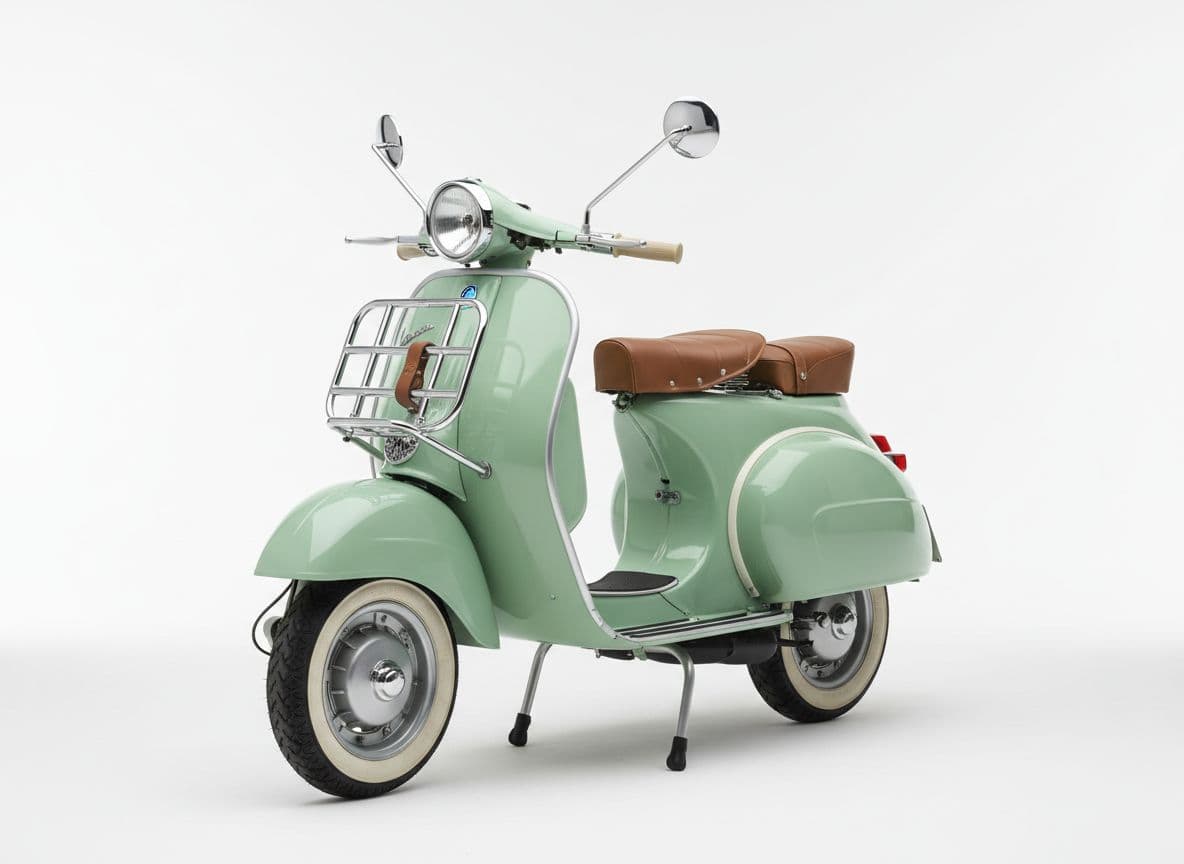
Mopeds and scooters have surged in popularity as gas prices rise and urban commuters seek affordable, efficient transportation. New scooters range from $1,500 for 50cc models to $10,000+ for premium Vespas and maxi-scooters. The used market is active because scooters are practical, fuel-efficient (80-120+ MPG), and accessible. Many 50cc models don't require a motorcycle license. Vespa is the prestige brand with the strongest resale: a 5-year-old Vespa GTS holds 50-65% of retail. Honda and Yamaha scooters hold 40-55% due to legendary reliability. Chinese-made scooters (TaoTao, Icebear, X-PRO) depreciate rapidly, often losing 60-70% in the first year. Mileage matters less on scooters than motorcycles since they are used for shorter trips, but mechanical condition and cosmetics are critical selling points.
Key Factors That Affect Mopeds & Scooters Value
Understanding what drives the price of mopeds & scooters helps you get the most accurate valuation.
Brand & Quality
Vespa/Piaggio holds the highest resale values. 50-65% of retail. Honda (PCX, Metropolitan, Forza) and Yamaha (XMAX, Zuma) hold 40-55%. Genuine Scooter Co. (Buddy, Roughhouse) holds 35-45%. Kymco and SYM offer good value at 30-40%. Chinese brands (TaoTao, Icebear, Dongfang) depreciate to $200-$600 regardless of age. Brand directly correlates to parts availability, dealer service, and buyer confidence.
Engine Size & Type
50cc scooters (no motorcycle license needed in many states) have the broadest buyer pool but lowest absolute values ($300-$1,500 used). 125-150cc scooters are the sweet spot for value. Highway-capable and practical ($800-$3,000). 250-400cc maxi-scooters (Yamaha XMAX, Honda Forza) serve commuters at $2,000-$5,000. 500cc+ scooters (Yamaha TMAX) are premium. Fuel-injected engines are preferred over carbureted. Automatic CVT transmissions are standard and expected.
Mileage & Condition
Under 3,000 miles is very low use. 3,000-8,000 miles is typical. 8,000-15,000 is moderate to high. Over 15,000 miles is high for smaller scooters. Cosmetic condition matters greatly. Scratches, dents, and faded paint reduce value 15-30%. Seat condition (tears, wear) is highly visible. Tire condition indicates maintenance. Scooters stored outside deteriorate faster than garaged units. A recent service (oil, belt, rollers) adds buyer confidence.
Registration & Title
A clear title is essential. Scooters without titles are worth 30-50% less. Many Chinese scooters are sold without proper registration, creating title issues. In some states, 50cc mopeds have simplified registration. Verify VIN matches the title. Non-running or salvage-title scooters have very limited value. Insurance history and registration currency indicate legal readiness for the buyer.
Accessories & Storage
Top cases (rear storage boxes) add $30-$80 value. Windscreens add comfort and modest value. Phone mounts, USB chargers, and Bluetooth speakers appeal to commuters. Matching helmets included with sale are a nice touch. Covers for outdoor storage add perceived care. Custom mirrors, grips, and cosmetic accessories add modest value. A lock (disc lock or chain) is an appreciated inclusion.
Tips for Valuing Mopeds & Scooters
Get the most accurate valuation by following these tips when photographing your mopeds & scooters.
Show the odometer reading clearly and note whether it is in miles or kilometers
Photograph the scooter from both sides, front, and rear showing overall condition
Include a cold-start video. Buyers want to see and hear it start and idle smoothly
Note engine size (cc), year, and whether it requires a motorcycle license in your state
Mopeds & Scooters Market Insights
Facebook Marketplace and Craigslist are the primary selling platforms. Scooters are light enough for most buyers to pick up with a truck or trailer. OfferUp is also active. CycleTrader has national reach for higher-value scooters. College towns and urban areas have the strongest demand. Students and city commuters are the primary buyer demographics. Spring (March-May) is the best selling season; demand drops significantly in winter in cold climates. Warm-weather states (Florida, California, Texas) have year-round markets. The rise of electric scooters (NIU, Segway, Super Soco) is creating a new market segment, though battery range anxiety limits demand for long-distance commuters. Vespa has a dedicated collector community, especially for vintage models.
Notable Mopeds & Scooters Values
Real-world examples of what specific mopeds & scooters have sold for, so you can benchmark your own.
| Mopeds & Scooter | Condition | Typical Value |
|---|---|---|
| Honda Ruckus (NPS50) | Used, Running | $1,200 - $3,500 |
| Vespa GTS 300 Super | Used, Good | $4,500 - $7,500 |
| Piaggio Ciao (1970s) | Used, Restored | $800 - $2,500 |
| Honda Metropolitan (CHF50) | Used, Running | $600 - $1,800 |
| Tomos Targa LX (50cc) | Used, Running | $400 - $1,200 |
| Vespa PX150 (1970s-1980s) | Used, Restored | $2,500 - $6,000 |
| Yamaha Zuma 50 (YW50) | Used, Running | $700 - $2,200 |
| Peugeot 103 Moped (1970s) | Used, Project | $200 - $900 |
| Genuine Buddy 125 | Used, Good | $1,000 - $2,800 |
Based on eBay sold listings, Craigslist market data, and enthusiast forum price guides (CycleTrader, moped.army).
Find Out What Your Mopeds & Scooters Are Worth
Upload a photo now and get a free AI-powered valuation in seconds. No sign-up required.
Mopeds & Scooters Valuation FAQ
How much is a used scooter worth?
Chinese 50cc scooters: $200-$600. Honda/Yamaha 50cc (Metropolitan, Zuma): $500-$1,200. 125-150cc scooters (Honda PCX, Vespa Primavera): $1,000-$3,000. 250-400cc maxi-scooters: $2,000-$5,000. Vespa GTS 300: $3,000-$6,000. Brand, condition, and mileage are the main factors. Chinese scooters depreciate rapidly while Japanese and Italian brands hold value well.
Are Chinese scooters worth buying?
Chinese scooters (TaoTao, Icebear, X-PRO) offer very low purchase prices ($700-$1,500 new) but come with trade-offs: shorter lifespan (10,000-20,000 miles typical), limited parts availability, no dealer network for service, and very poor resale value. For budget short-term use, they can make sense. For reliability and resale, Honda, Yamaha, or Vespa are significantly better long-term investments.
Do you need a license for a moped?
Requirements vary by state. Most states classify 50cc and under as mopeds, requiring only a regular driver's license (no motorcycle endorsement). Some states require a moped-specific permit. Scooters over 50cc typically require a motorcycle license or endorsement. Speed limits, road restrictions, and insurance requirements also vary. Always check your state's DMV for specific moped/scooter regulations.
When is the best time to buy or sell a scooter?
Sell in March-May for the highest prices. Buyers are eager for warm-weather riding. Buy in November-February for the best deals. Sellers want to avoid winter storage. In warm-weather states (Florida, California), the market is more stable year-round. College town markets peak in August-September (back to school) and May (graduation sales).
How long do scooters last?
Japanese brands (Honda, Yamaha): 30,000-50,000+ miles with regular maintenance. Italian brands (Vespa, Piaggio): 25,000-40,000 miles. Taiwanese brands (Kymco, SYM): 20,000-35,000 miles. Chinese brands: 10,000-20,000 miles. Regular maintenance (oil changes every 1,000-2,000 miles, belt replacement, valve adjustments) is essential. The CVT belt and rollers are the most common wear items.
Value anything, anytime
Unlimited valuations, saved history and full reports in the free app.