Last updated: September 2026
How Much Is My Dirt Bike Worth?
Whether you have a Honda CRF, Yamaha YZ, KTM, Husqvarna, Kawasaki KX, or Suzuki RM, our AI analyzes the brand, model, year, and condition to provide an accurate market valuation. From kids' trail bikes to competitive motocross machines, get the right price before selling or trading in.
Get the free app for unlimited scans


Compare real prices
See what dirt bikes are listed for right now
Affiliate link: we earn a commission if you buy, at no extra cost to you.
What do you want to value?
Get the free app for unlimited scans
Why Knowing Your Dirt Bikes Value Matters
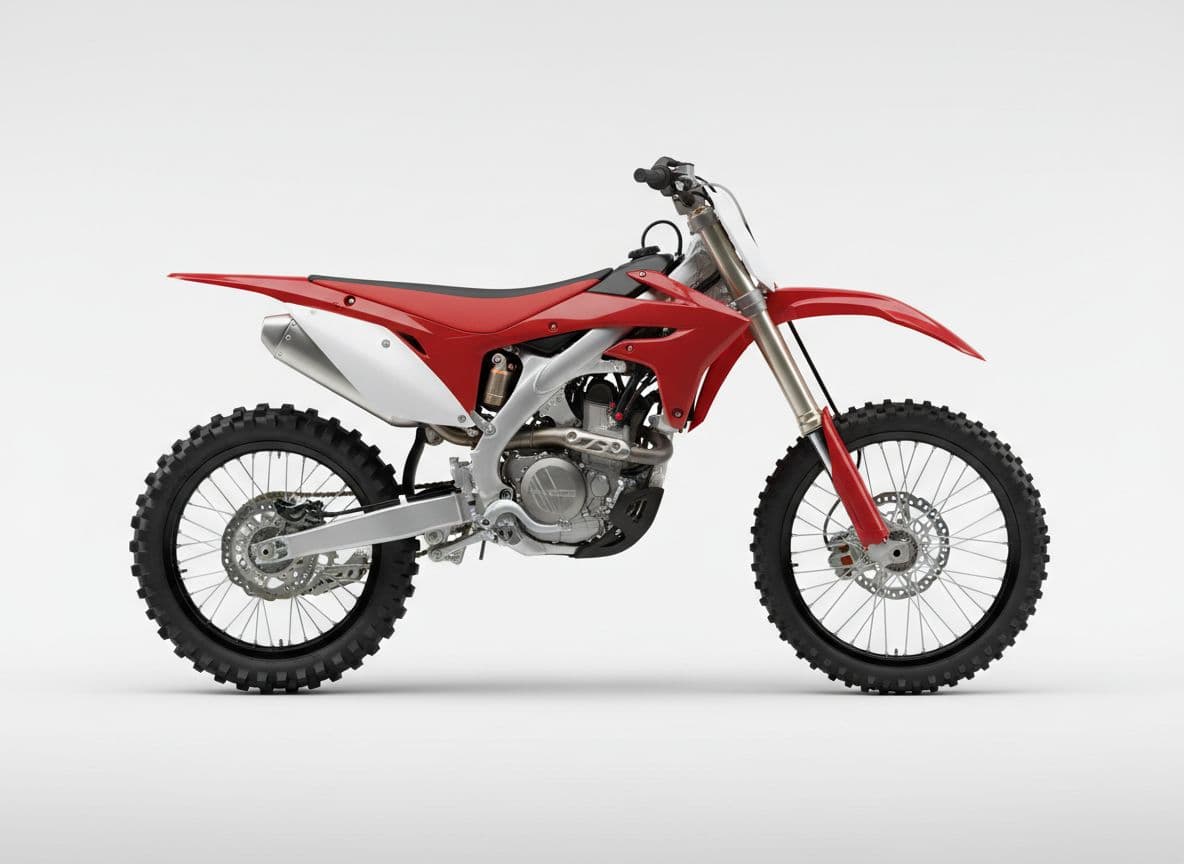
Dirt bikes hold value well compared to many powersport vehicles, but the market varies significantly by brand, type, and condition. A late-model KTM 450 SX-F or Honda CRF450R can retain 60-70% of its value after two years, while older or high-hour machines depreciate more steeply. The dirt bike market is segmented by use. Motocross race bikes, trail/enduro bikes, and kids' bikes each have distinct pricing dynamics. Engine hours are the critical wear metric, and many sellers do not have or share accurate hour data, making condition assessment essential. Kids' bikes cycle through families as children grow, creating a robust market for 50cc-125cc machines. The growing electric dirt bike segment (Stark, KTM Freeride E) is creating new value dynamics. Many dirt bikes are inherited or sold when riders outgrow the sport, and without understanding the competitive powersport market, sellers can significantly over- or underprice their machines.
Key Factors That Affect Dirt Bikes Value
Understanding what drives the price of dirt bikes helps you get the most accurate valuation.
Brand & Model
KTM and Husqvarna (same parent company) command the highest resale values for both motocross and enduro bikes. Honda CRF series is the most popular and liquid brand. Yamaha YZ series has a strong following. Kawasaki KX and Suzuki RM are solid but typically sell for slightly less than Honda and KTM. European brands (GasGas, Beta) have niche markets. Chinese brands (SSR, Thumpstar) have minimal resale value.
Year & Model Generation
Dirt bikes depreciate 15-25% in the first year and 5-10% annually thereafter. Current-generation models hold value best. Major redesigns (new frame, engine, or suspension platform) make previous generations less desirable. Two-stroke dirt bikes have seen a resurgence in value as the fun factor and simplicity appeal to riders. Four-stroke bikes dominate the market volume.
Engine Hours & Maintenance
Engine hours are the most important condition indicator. Under 50 hours is low-use for a race bike. Most motocross bikes need top-end rebuilds around 50-100 hours. Trail bikes can go longer between services. Documented maintenance history (oil changes, valve adjustments, suspension service) adds significant value. A fresh top-end rebuild adds $200-$500 in value for race bikes. A bike needing a rebuild loses value by the estimated repair cost plus a margin.
Condition & Crash Damage
Frame condition (no cracks, bends, or impact damage) is critical. Plastic and graphics condition affect appearance. Fresh plastics and graphics can be installed for $100-$200 and dramatically improve sale appeal. Suspension condition (fork seals, shock linkage, bearings) affects both ride quality and value. Wheel trueness, spoke tension, and bearing condition matter. A bike that has been race-maintained is often in better condition than one that was neglected on trails.
Suspension & Aftermarket Parts
Quality aftermarket suspension (Factory Connection, Race Tech revalve, Pro Circuit linkage) adds value for serious riders. Performance exhaust systems (FMF, Pro Circuit, Akrapovic) add modest value. Aftermarket handlebars, levers, and controls add minor value. However, extremely modified bikes may have a narrower buyer pool. Some buyers prefer stock. Factory-upgraded 'special edition' models (Honda CRF450RWE, KTM Factory Edition) command premiums.
Tips for Valuing Dirt Bikes
Get the most accurate valuation by following these tips when photographing your dirt bikes.
Photograph the bike from both sides, front, and rear showing overall condition, plastics, and graphics
Include close-ups of the engine, frame, suspension (fork seals, shock), and wheel condition
Show the hour meter reading if equipped. Engine hours are the most important value factor for buyers
Photograph any aftermarket parts, recent maintenance receipts, and spare parts included in the sale
Dirt Bikes Market Insights
The used dirt bike market is active year-round, with stronger demand in spring and early summer as riding season begins. Facebook Marketplace and Craigslist are the primary local platforms. Cycle Trader and specialized dirt bike forums facilitate broader reach. The motocross and enduro community is tight-knit, with word-of-mouth and riding group connections often leading to sales. Kids' bikes (50cc-125cc) have the fastest turnover as children outgrow them quickly. The electric dirt bike segment is emerging but still represents a small portion of the used market. KTM and Husqvarna have built significant brand loyalty and their used bikes sell quickly. Honda CRF models are the most popular and have the most predictable pricing. If you are selling, a clean bike with fresh graphics, detailed photos, and transparent hour/maintenance disclosure sells faster and for more.
Notable Dirt Bikes Values
Real-world examples of what specific dirt bikes have sold for, so you can benchmark your own.
| Dirt Bike | Condition | Typical Value |
|---|---|---|
| Honda CR250R (1992) | Used, Rideable | $2,500 - $5,500 |
| KTM 450 SX-F (2020-2023) | Used | $5,500 - $8,500 |
| Yamaha YZ125 (2005-2010) | Used, Rideable | $2,000 - $4,000 |
| Honda XR650L (any year) | Used | $3,500 - $6,500 |
| KTM 300 XC-W (2018-2022) | Used | $6,000 - $9,500 |
| Yamaha YZ450F (2019-2022) | Used | $5,000 - $8,000 |
| Honda CR80R (1990s) | Used, Project | $400 - $1,200 |
| Husqvarna FC 450 (2021-2023) | Used | $6,500 - $9,000 |
| Kawasaki KX100 (2000s) | Used, Rideable | $800 - $2,200 |
Based on eBay sold listings, Cycle Trader asking prices, and dirt bike forum transaction records.
Find Out What Your Dirt Bikes Are Worth
Upload a photo now and get a free AI-powered valuation in seconds. No sign-up required.
Dirt Bikes Valuation FAQ
How many hours is a lot on a dirt bike?
For motocross race bikes, 50-100 hours is when top-end rebuilds are recommended. Trail and enduro bikes can go 100-200+ hours between major services. A motocross bike with over 100 hours without documented rebuilds is considered high-use. Trail bikes with 200+ hours are moderate to high use. The type of riding matters. 50 hours of aggressive motocross racing is harder on an engine than 100 hours of casual trail riding.
Which dirt bike brand holds value best?
KTM and Husqvarna currently hold value best, especially in the enduro and off-road segments. Honda CRF models hold excellent value due to reliability reputation and broad popularity. Yamaha YZ models are close behind. The brand hierarchy shifts slightly by segment. Honda and Yamaha are strongest in motocross, while KTM dominates enduro. Chinese and budget brands hold value poorly.
Are two-stroke dirt bikes worth more than four-strokes?
Two-stroke dirt bikes have seen a value resurgence driven by nostalgia, simplicity, and fun factor. A used KTM 300 XC-W or Yamaha YZ250 two-stroke holds strong value in the trail and enduro market. Motocross two-strokes (125cc, 250cc) also maintain good value. However, four-strokes dominate overall market volume and availability. Two-strokes tend to hold value slightly better as a percentage of retail due to smaller production numbers and dedicated demand.
Should I sell my dirt bike to a dealer or privately?
Private sales yield 20-35% more than dealer trade-in values. Facebook Marketplace and dirt bike forums reach targeted, knowledgeable buyers. Dealer trade-ins are fast and convenient but you will get wholesale pricing. For bikes worth under $2,000, the convenience of a quick dealer trade may be worthwhile. For bikes worth $3,000+, the private sale premium justifies the effort of listing, photographing, and dealing with potential buyers.
How do I determine the year of my dirt bike?
The 10th character of the VIN (Vehicle Identification Number) indicates the model year. The VIN is typically on the steering head (neck) of the frame. You can decode VINs online for free. The model designation often includes the year. For example, a 2023 Honda CRF250R is specifically identified by its VIN. Color schemes and graphics change annually, which can also help identify the model year visually.
Value anything, anytime
Unlimited valuations, saved history and full reports in the free app.