Last updated: September 2026
How Much Is My Harley-Davidson Worth?
Whether you have a Sportster, Softail, Road King, Street Glide, Fat Boy, or any other Harley-Davidson, our AI analyzes the model, year, mileage, and condition to provide an accurate market valuation. From vintage Shovelheads to modern Milwaukee-Eights, know what your Harley is worth before selling or trading in.
Get the free app for unlimited scans


Compare real prices
See what harley-davidson are listed for right now
Affiliate link: we earn a commission if you buy, at no extra cost to you.
What do you want to value?
Get the free app for unlimited scans
Why Knowing Your Harley-Davidson Value Matters
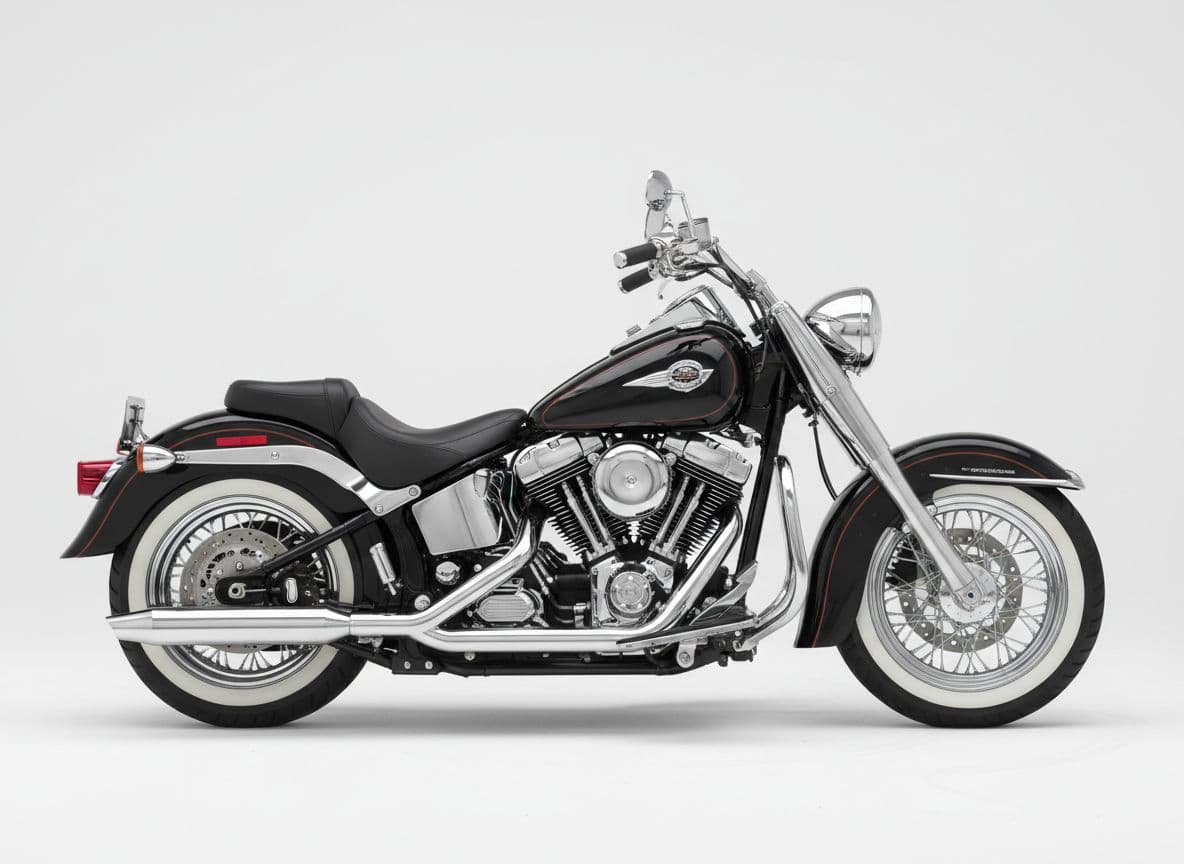
Harley-Davidson motorcycles hold value better than almost any other motorcycle brand, driven by unmatched brand loyalty, cultural significance, and a massive rider community. A 5-year-old Street Glide might retain 65-75% of its original value. Exceptional for any vehicle. Vintage Harleys from the Panhead, Shovelhead, and Evolution eras have become genuine collectibles, with pristine examples of certain models selling for $15,000-$50,000+. However, the Harley market has nuances that significantly affect value: the Sportster line holds less value than Touring models, customization can help or hurt value depending on the modifications, and the dealer trade-in versus private sale gap is typically 20-30%. The Harley community is aging, creating a generational transition where many bikes are being sold by original owners or their estates. Understanding the specific Harley-Davidson model hierarchy, the impact of mileage on different engine platforms, and whether your modifications add or subtract value is essential for pricing correctly in a market where both buyers and sellers tend to be knowledgeable and passionate.
Key Factors That Affect Harley-Davidson Value
Understanding what drives the price of harley-davidson helps you get the most accurate valuation.
Model Family & Engine
Touring models (Road Glide, Street Glide, Ultra Limited) hold value best due to high demand and high new prices ($25,000-$45,000+). Softail models (Fat Boy, Heritage, Breakout) hold strong mid-range value. Sportster models hold the least value among Harleys but still outperform most competitors. The Milwaukee-Eight engine (2017+) is the most desirable modern platform. Twin Cam (1999-2016) is well-established. Evolution (1984-1999) and earlier engines have collector followings.
Year & Mileage
Harley-Davidsons depreciate 15-20% in the first year and 5-8% annually thereafter. Better than most motorcycles. Mileage under 10,000 is low for a Harley, 10,000-30,000 is moderate, and over 50,000 is high. Touring models handle high mileage better than other models due to their touring purpose. Vintage Harleys (pre-1984) are valued more by condition and originality than mileage. A well-maintained Harley with 60,000 miles can still command a strong price.
Customization & Modifications
This is where Harley values get complicated. Performance modifications from reputable brands (Vance & Hines exhaust, S&S engine work, Progressive suspension) can add value to the right buyer. Custom paint from known painters adds value. However, extreme customization (chopper conversions, radical modifications) narrows the buyer pool and often reduces resale value. Blacked-out denim models and bobber conversions are currently trending and sell well.
Condition & Service History
A Harley with documented dealer service history is worth 10-15% more than one without records. Chrome condition matters enormously on touring and classic models. Seat condition, saddlebag condition, and paint quality are key cosmetic factors. Mechanical condition. Engine noise, transmission feel, clutch operation, and brake function. Is essential. A Harley that has been stored indoors and maintained regularly is worth significantly more than a neglected example.
Special Editions & Anniversaries
CVO (Custom Vehicle Operations) models are factory premium builds that command 15-30% more than standard models. Anniversary editions (100th, 110th, 115th) have modest collector premiums. Factory special editions and dealer exclusives hold value when limited in production. Screamin' Eagle packages and factory performance upgrades add measurable value. Matching VIN documentation for special editions is important for full value.
Tips for Valuing Harley-Davidson
Get the most accurate valuation by following these tips when photographing your harley-davidson.
Photograph the bike from both sides, front, and rear showing the overall condition, chrome, and paint
Include close-ups of the engine, exhaust, primary cover, and any custom or aftermarket components
Show the odometer reading and gauge cluster clearly. Mileage is a key value factor
Photograph any documentation. Service records, owner's manual, window sticker, and title. That supports the bike's history
Harley-Davidson Market Insights
The Harley-Davidson market is the strongest brand-specific motorcycle market in the world. KBB, NADA, and J.D. Power provide baseline values, but the Harley community's willingness to pay brand premiums means private sale prices often exceed book values. Harley-Davidson dealerships offer trade-in programs but pay 20-30% below private sale value. CycleTrader, Facebook Harley groups, and Craigslist are the primary private sale platforms. The market demographic is shifting as older riders sell and younger buyers enter. This is creating strong demand for used Sportsters and Softails as entry points. Touring models remain the strongest segment with consistent demand from experienced riders. Vintage Harleys (Panheads, Shovelheads, early Evolutions) have an active collector market with specialized auctions and shows. If you are selling, presenting your Harley clean, detailed, and with documented service history maximizes your return in a market where presentation reflects pride of ownership.
Notable Harley-Davidson Values
Real-world examples of what specific harley-davidson have sold for, so you can benchmark your own.
| Harley-Davidson | Condition | Typical Value |
|---|---|---|
| 1936 Harley-Davidson EL "Knucklehead" | Restored | $45,000 - $90,000+ |
| 1969 Harley-Davidson KRTT Road Racer | Original/Unrestored | $30,000 - $70,000+ |
| 2008 Harley-Davidson CVO Screamin' Eagle Ultra Classic | Used, Low Miles | $14,000 - $22,000 |
| 2004 Harley-Davidson Sportster 883 (XL883) | Used | $4,000 - $7,500 |
| 2007 Harley-Davidson Softail Deluxe (FLSTN) | Used | $8,000 - $13,000 |
| 2018 Harley-Davidson Fat Boy 114 (FLFBS) | Used, Good | $13,000 - $18,000 |
| 1977 Harley-Davidson FLH Electra Glide | Fair to Good | $7,000 - $16,000 |
| 2002 Harley-Davidson VRSCA V-Rod (1st Year) | Used | $6,000 - $11,000 |
| 2021 Harley-Davidson Pan America 1250 Special (RA1250S) | Used, Low Miles | $14,000 - $19,000 |
Based on eBay sold listings, Cycle Trader asking prices, auction records, and NADA/Kelley Blue Book motorcycle guides.
Find Out What Your Harley-Davidson Are Worth
Upload a photo now and get a free AI-powered valuation in seconds. No sign-up required.
Harley-Davidson Valuation FAQ
Do Harley-Davidsons hold their value?
Yes, better than almost any other motorcycle brand. A Harley-Davidson typically retains 65-80% of its value after 3-5 years depending on model and condition. Touring models (Street Glide, Road Glide) hold value best. CVO models retain their premium. Brand loyalty, cultural significance, and strong demand drive Harley resale values above competitors like Indian, Honda, and Yamaha cruisers.
Which Harley-Davidson models are worth the most?
CVO models command the highest prices in any generation. Among standard models, the Road Glide Special and Street Glide Special are the most valuable current models. Vintage Harleys. Knucklehead ($30,000-$100,000+), Panhead ($15,000-$50,000), and early Shovelhead ($8,000-$25,000). are the most valuable overall. The Softail Heritage Classic and Fat Boy are consistently strong sellers in the used market.
Should I sell my Harley to a dealer or privately?
Private sales yield 20-30% more than dealer trade-in values. A Harley dealer might offer $12,000 for a bike you could sell privately for $15,000-$16,000. However, dealer trade-ins are fast and convenient, especially when applying credit toward a new Harley. For bikes worth over $10,000, the private sale premium typically justifies the extra effort. CycleTrader and Facebook Harley groups reach targeted, knowledgeable buyers.
Do aftermarket parts add or subtract value?
It depends on the parts and the buyer. Quality exhaust systems (Vance & Hines, Bassani, Rinehart), performance cams, and upgraded suspension add value for most buyers. Custom paint from reputable painters adds value. However, extreme modifications, chopper conversions, or taste-specific customization (unusual paint, excessive chrome or blacked-out parts) can narrow your buyer pool. Keeping original parts allows buyers to choose, which can increase appeal.
Are old Harleys worth restoring?
For Knucklehead (1936-1947), Panhead (1948-1965), and Shovelhead (1966-1984) models, restoration is often worth the investment if the bike is a desirable model in rebuildable condition. A complete Panhead restoration can cost $10,000-$25,000 but the finished bike may be worth $20,000-$50,000+. Evolution-era bikes (1984-1999) are less commonly restored as collector pieces but make great daily riders. Always assess total restoration cost against realistic finished value before starting.
Harley-Davidson Price Guides
Value anything, anytime
Unlimited valuations, saved history and full reports in the free app.