Last updated: September 2026
How Much Is My Golf Cart Worth?
Whether you have a Club Car, EZ-GO, Yamaha, or custom-built golf cart, our AI analyzes the brand, model year, power type, and condition to provide an accurate market valuation. From basic course carts to fully customized street-legal LSVs, get the right price before selling or trading in.
Get the free app for unlimited scans


Compare real prices
See what golf carts are listed for right now
Affiliate link: we earn a commission if you buy, at no extra cost to you.
What do you want to value?
Get the free app for unlimited scans
Why Knowing Your Golf Carts Value Matters
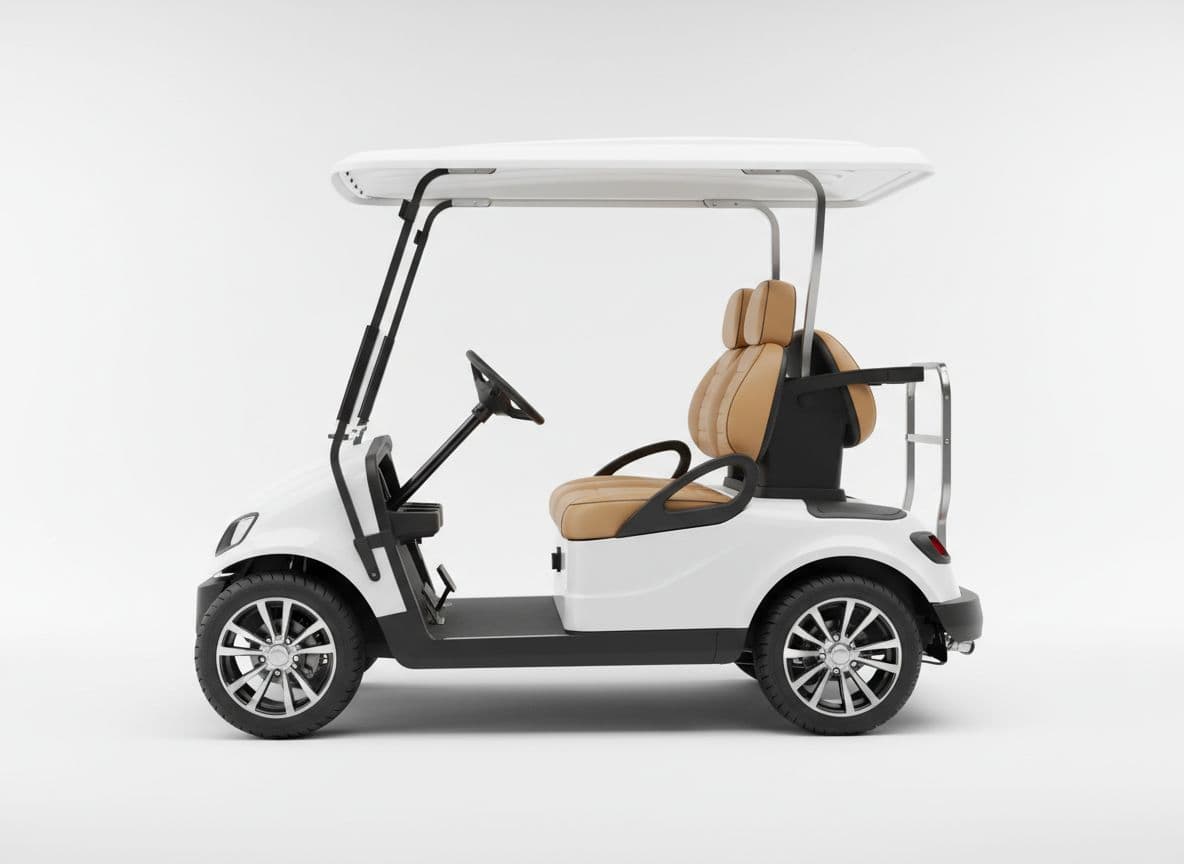
The golf cart market has exploded beyond the golf course. Retirement communities, beach towns, gated neighborhoods, and rural properties have made golf carts an everyday transportation vehicle for millions of Americans. A basic used golf cart might be worth $2,000-$4,000, while a fully loaded custom cart with lifted suspension, lithium batteries, custom seats, and street-legal features can be worth $10,000-$25,000+. The used golf cart market is notoriously opaque. Dealers often mark up carts 50-100% above their purchase price, and private sellers frequently underprice their carts because they do not understand what upgrades and features are worth. Battery condition on electric carts is a major hidden factor. A set of new batteries can cost $1,000-$3,000, so a cart with fresh batteries is worth significantly more. Whether you are upgrading, downsizing, or moving away from a cart-friendly community, knowing your cart's fair market value ensures you get a fair deal.
Key Factors That Affect Golf Carts Value
Understanding what drives the price of golf carts helps you get the most accurate valuation.
Brand & Model
Club Car, EZ-GO (Textron), and Yamaha dominate the market and hold value best. Club Car Precedent and Onward models are the most popular. EZ-GO RXV and TXT series are widely available. Yamaha Drive2 is known for reliability. Off-brand carts (Icon, Evolution, Bintelli) are newer to the market with less established resale values. Street-legal Low Speed Vehicles (LSVs) like GEM and Polaris GEM command premium prices.
Electric vs. Gas & Battery Condition
Electric carts outsell gas carts and are more desirable in most markets. For electric carts, battery type and condition are crucial. Lithium batteries (lasting 10+ years) are worth $2,000-$4,000 more than traditional lead-acid batteries. A cart with new lead-acid batteries is worth $1,000-$2,000 more than one needing battery replacement. Gas carts appeal to buyers needing longer range and faster refueling.
Condition & Maintenance
Body condition, seat condition, roof/top condition, and overall cleanliness significantly affect value. Carts stored indoors or under cover maintain value better than those left outside. Mechanical condition of the motor (electric) or engine (gas), controller, brakes, and steering components is critical. Carts with service records and recent maintenance command premiums.
Upgrades & Customization
Lift kits, custom wheels and tires, LED lighting, premium seats, stereo systems, rear flip seats, windshields, and enclosures all add value. A well-customized cart can be worth 2-3x a stock cart. However, extremely unique or taste-specific customizations (unusual paint, themed builds) may narrow the buyer pool. Street-legal packages with headlights, brake lights, turn signals, mirrors, and seat belts add significant value.
Age & Model Year
Golf carts depreciate slowly compared to other vehicles. A 5-year-old cart in good condition typically retains 60-70% of its value. Carts from the late 2000s and newer with modern features are most desirable. Very old carts (pre-2000) have limited value unless extensively rebuilt or restored. Fleet/course carts retired from golf courses are worth less than privately owned carts due to higher use and wear.
Tips for Valuing Golf Carts
Get the most accurate valuation by following these tips when photographing your golf carts.
Photograph the cart from all four angles showing overall condition, body, roof, and tire condition
Include close-ups of the dashboard, seats, steering wheel, and any custom features or upgrades
Show the battery compartment (for electric carts) or engine area. Battery age and condition are crucial value factors
Photograph any extras like charger, windshield, enclosure, rear seat, or storage accessories included in the sale
Golf Carts Market Insights
The golf cart market has experienced unprecedented growth, driven by expansion into neighborhood transportation, retirement communities, and recreational use. New golf cart prices have increased 30-50% in recent years, pushing used cart values higher as well. The Villages in Florida, Peachtree City in Georgia, and coastal communities from the Carolinas to Texas represent the highest-demand markets. Lithium battery conversions have become a major value differentiator, with buyers willing to pay premium prices for lithium-equipped carts. The customization aftermarket has grown into a multi-billion-dollar industry. Online marketplaces including Facebook Marketplace, Craigslist, and specialized sites like Golf Cart Resource have made private sales easier. Seasonal trends affect pricing. Carts sell for 10-20% more in spring and summer. If you are in a golf cart-friendly area, demand for quality used carts consistently exceeds supply.
Notable Golf Carts Values
Real-world examples of what specific golf carts have sold for, so you can benchmark your own.
| Golf Cart | Condition | Typical Value |
|---|---|---|
| Club Car DS Gas (48V conversion, 2000s) | Used - Good | $2,500 - $5,000 |
| EZGO TXT Electric (2015-2020) | Used - Good | $4,000 - $7,500 |
| Yamaha Drive2 (G29) Gas | Used - Good | $5,000 - $9,000 |
| Club Car Precedent i2 Electric (2014-2019) | Used - Good | $4,500 - $8,000 |
| EZGO RXV Elite Lithium Electric (2020+) | Used - Excellent | $8,000 - $13,000 |
| Club Car Onward HP Li (2021+) | Used - Excellent | $10,000 - $16,000 |
| Cushman Titan XD (Utility/Work Cart) | Used - Good | $6,000 - $12,000 |
| Vintage EZGO Marathon Gas (1980s-1990s) | Used - Fair | $800 - $2,500 |
| Custom Lifted Street-Legal LSV (any brand) | Customized | $12,000 - $25,000+ |
Based on eBay sold listings, Golf Cart Resource marketplace data, and dealer asking prices across major resale platforms.
Find Out What Your Golf Carts Are Worth
Upload a photo now and get a free AI-powered valuation in seconds. No sign-up required.
Golf Carts Valuation FAQ
How long do golf cart batteries last?
Traditional lead-acid batteries last 4-7 years with proper maintenance (watering, equalization charges, clean terminals). Lithium batteries last 10-15+ years and require no maintenance. Battery replacement is the biggest ongoing cost of electric cart ownership. A full set of lead-acid batteries costs $800-$2,000, while lithium conversion costs $3,000-$5,000. Battery age and condition are the most important factors in used electric cart valuation.
Are gas or electric golf carts worth more?
Electric carts are generally more desirable and sell for slightly more in most markets due to lower noise, zero emissions, and lower operating costs. Gas carts hold value well for buyers needing longer range, quick refueling, or more power for hilly terrain. In retirement communities and neighborhoods, electric carts are strongly preferred. For hunting, farming, and off-road use, gas carts remain popular.
How much do golf cart customizations add to value?
Quality customizations can add 50-100%+ to a golf cart's value. Lift kits add $500-$1,500 in value, custom wheels and tires add $300-$800, rear flip seats add $300-$600, and lithium battery conversions add $2,000-$3,500. LED lighting, premium seats, stereo systems, and street-legal packages each add $200-$500. However, you rarely recoup 100% of the cost of custom work. Budget about 50-70% return on investment for most upgrades.
Can I make my golf cart street legal?
In many states, golf carts can become street legal on roads with speed limits of 35 mph or less by adding headlights, brake lights, turn signals, mirrors, seat belts, a horn, and a windshield. Requirements vary by state and local jurisdiction. LSV (Low Speed Vehicle) classification requires the cart to reach 20-25 mph. Street-legal carts are worth $1,000-$3,000 more than non-street-legal equivalents.
Should I buy a new or used golf cart?
Used golf carts offer excellent value. A 3-5 year old cart in good condition with fresh batteries costs 40-60% less than new while having plenty of life remaining. The best values are often fleet carts retired from golf courses at 5-7 years. They have commercial-grade components and consistent maintenance history, though they may lack cosmetic upgrades. New carts offer warranty coverage and the latest features but depreciate 20-30% in the first year.
Value anything, anytime
Unlimited valuations, saved history and full reports in the free app.