Last updated: September 2026
How Much Is My Snowmobile Worth?
Whether you have a Ski-Doo, Polaris, Arctic Cat, or Yamaha snowmobile, our AI analyzes the brand, model year, mileage, and condition to provide an accurate market valuation. From trail sleds to mountain machines and vintage collectors, get the right price before selling or trading in.
Get the free app for unlimited scans


Compare real prices
See what snowmobiles are listed for right now
Affiliate link: we earn a commission if you buy, at no extra cost to you.
What do you want to value?
Get the free app for unlimited scans
Why Knowing Your Snowmobiles Value Matters
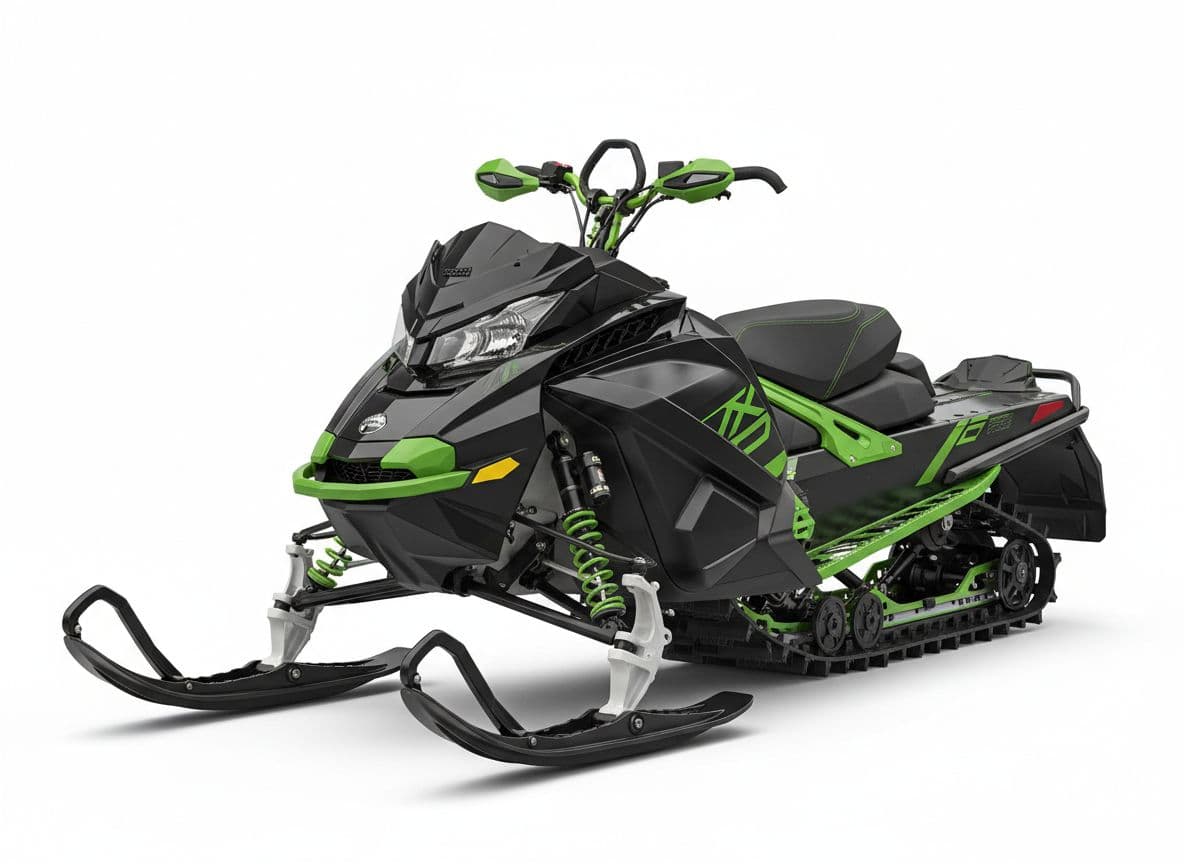
Snowmobiles are a major investment for winter sport enthusiasts. New sleds range from $8,000 for entry-level models to $18,000+ for high-performance mountain and crossover machines. The used snowmobile market is uniquely regional, with prices varying significantly between snow belt areas and regions with limited snowfall. A sled worth $6,000 in Minnesota might only fetch $3,000 in southern Ohio. Mileage is the primary wear metric, but trail miles versus mountain miles have very different impacts on the machine. Snowmobile values are also highly seasonal. Prices peak in October through December as riders prepare for the season and drop significantly in spring. Many snowmobile owners keep sleds for decades, and inherited machines from the 1990s-2000s era can still have meaningful value if maintained. Understanding your snowmobile's fair market value. Accounting for brand, model year, mileage, regional demand, and season. Helps you sell at the right price at the right time.
Key Factors That Affect Snowmobiles Value
Understanding what drives the price of snowmobiles helps you get the most accurate valuation.
Brand & Model
Ski-Doo (BRP) and Polaris are the market leaders and generally hold value best. Arctic Cat has a loyal following, especially for their mountain sleds. Yamaha is known for reliability but has a smaller market share. Within brands, performance models (Ski-Doo Summit, Polaris RMK, Arctic Cat M series) in mountain markets and trail performance models (Ski-Doo Renegade, Polaris Switchback, Yamaha Sidewinder) retain value well.
Mileage & Engine Hours
Total mileage is the primary wear indicator. Under 2,000 miles is considered low for a snowmobile. 2,000-5,000 miles is moderate. Over 8,000 miles is high mileage. Two-stroke engines are simpler but wear faster at high mileage. Four-stroke engines (Yamaha, some Ski-Doo) handle higher mileage better but are heavier. Turbo models require more maintenance and turbo condition significantly affects value.
Model Year & Generation
Snowmobiles depreciate 15-25% in the first year and continue losing 5-10% annually. Sleds 1-4 years old have the strongest resale market. The transition to the REV-Gen5 platform (Ski-Doo) and MATRYX platform (Polaris) made previous-generation sleds significantly less desirable. Machines older than 15 years have limited value ($500-$2,000) unless they are vintage collectibles or low-mileage finds.
Condition & Modifications
Track condition (lug height, rip damage, stud patterns), ski condition, suspension components, and engine health are the key condition factors. Sleds stored indoors depreciate less than those left outside. Aftermarket exhaust, clutch kits, and performance modifications can add or subtract value depending on the buyer. Many prefer stock configurations. Body damage, cracked windshields, and faded graphics reduce value cosmetically.
Regional Demand & Season
The snowmobile market is intensely regional. Mountain states (Colorado, Montana, Utah) prioritize deep-snow machines. Great Lakes and New England states favor trail sleds. Prices are highest in regions with reliable snow and active trail systems. Listing timing matters enormously. September through November commands peak prices as riders prepare for winter. Selling in April or May means accepting 15-25% less.
Tips for Valuing Snowmobiles
Get the most accurate valuation by following these tips when photographing your snowmobiles.
Photograph the sled from both sides, front, and rear showing the overall condition, graphics, and body panels
Include a close-up of the odometer or gauge cluster showing total mileage and any diagnostic information
Show the track condition (lug height, rips, stud pattern) and ski condition. These are major value factors
Photograph the engine compartment showing the engine, exhaust, and any aftermarket modifications
Snowmobiles Market Insights
The snowmobile market is experiencing strong demand driven by outdoor recreation trends and limited new sled availability at dealers. Ski-Doo and Polaris dominate both new and used markets, with their latest platforms (REV-Gen5 and MATRYX) commanding premium prices. The used market is most active on Facebook snowmobile groups, Snowmobile Trader, Craigslist, and local dealership trade-ins. Vintage snowmobiles from the 1960s-1980s have a passionate collector community, with swap meets and vintage shows across the snow belt. The mountain snowmobile segment has seen explosive growth with lightweight turbocharged sleds capable of backcountry performance. Regional pricing differences create arbitrage opportunities. Buying in spring in less snowy areas and selling in fall in snow-belt regions can yield significant returns. If you are selling, timing your listing for early fall and targeting the right regional market maximizes your return.
Notable Snowmobiles Values
Real-world examples of what specific snowmobiles have sold for, so you can benchmark your own.
| Snowmobile | Condition | Typical Value |
|---|---|---|
| Arctic Cat ZR 9000 Thundercat (2014-2016) | Used, Good | $6,500 - $10,000 |
| Ski-Doo Summit X 850 E-TEC (2018-2022) | Used, Good | $8,000 - $13,500 |
| Polaris RMK 800 Pro (2012-2015) | Used, Fair-Good | $4,500 - $7,500 |
| Yamaha Sidewinder L-TX LE (2017-2019) | Used, Good | $9,000 - $14,000 |
| Ski-Doo MXZ 600 HO SDI (2003-2008) | Used, Fair | $1,800 - $3,800 |
| Arctic Cat M8 162 (2008-2011) | Used, Fair-Good | $3,000 - $5,500 |
| Polaris 600 Indy (1990s vintage) | Used, Project | $500 - $2,000 |
| Ski-Doo Backcountry X 850 E-TEC (2020-2023) | Used, Excellent | $10,000 - $15,500 |
| Yamaha SRX 700 (1998-2001) | Used, Collector | $2,500 - $5,000 |
Based on eBay sold listings, Craigslist regional comps, and enthusiast forum price guides (SnoWest, Arctic Chat, SkiDooForum).
Find Out What Your Snowmobiles Are Worth
Upload a photo now and get a free AI-powered valuation in seconds. No sign-up required.
Snowmobiles Valuation FAQ
How many miles is too many on a snowmobile?
It depends on the engine type and maintenance. For two-stroke engines, 5,000-8,000 miles is considered high, and major top-end rebuilds may be needed around 3,000-5,000 miles depending on use. Four-stroke engines (Yamaha, Ski-Doo ACE/Rotax 900) can go 10,000+ miles with proper maintenance. Turbo four-stroke models require more attention to boost system components. A well-maintained sled with 6,000 miles can be in better shape than a neglected one with 2,000 miles.
What is the best time to sell a snowmobile?
September through November is the best selling window, as riders prepare for the upcoming season. Prices are 15-25% higher in fall compared to spring. Pre-season excitement, first snowfall forecasts, and trail pass purchases all drive buyer urgency. If you sell in March or April, expect to discount 15-25% to attract buyers who are thinking about summer, not winter.
Do Ski-Doo or Polaris hold value better?
Both brands hold value well, with slight regional differences. Ski-Doo tends to command slightly higher resale prices in many markets due to brand loyalty and the popularity of their Summit mountain sled line. Polaris RMK sleds are equally strong in mountain markets. In trail-riding markets, both brands are comparable. Yamaha holds value well due to four-stroke reliability but has a smaller buyer pool. Arctic Cat values have fluctuated with the brand's ownership changes.
Should I sell privately or trade in at a dealer?
Private sales typically yield 20-35% more than dealer trade-in values. Facebook snowmobile groups and Snowmobile Trader reach targeted buyers willing to pay fair prices. Dealer trade-ins offer convenience but lower returns. Dealers need margin to resell. Consignment at a dealership is a middle ground with 10-20% commission. For older or high-mileage sleds worth under $3,000, the convenience of a quick dealer trade may outweigh the private sale premium.
Are vintage snowmobiles worth anything?
Certain vintage snowmobiles (1960s-1980s) have strong collector value. Early Ski-Doo Olympiques, Arctic Cat Panther and El Tigre models, Polaris TX series, and Yamaha SRX models can be worth $1,000-$5,000+ in good original or restored condition. Rare models, racing sleds, and machines with documented history command premiums. The vintage snowmobile community hosts swap meets, shows, and vintage races across the snow belt. However, common utility sleds from this era have minimal value.
Value anything, anytime
Unlimited valuations, saved history and full reports in the free app.