Last updated: September 2026
How Much Is My Car Worth?
Whether you drive a Honda Civic, Ford F-150, Toyota Camry, BMW 3 Series, or any other vehicle, our AI analyzes your car's make, model, year, trim, and visible condition to provide an accurate market valuation. Get a realistic price before trading in at a dealership, selling privately, or listing online.
Get the free app for unlimited scans


Compare real prices
See what cars are listed for right now
Affiliate link: we earn a commission if you buy, at no extra cost to you.
What do you want to value?
Get the free app for unlimited scans
Why Knowing Your Cars Value Matters
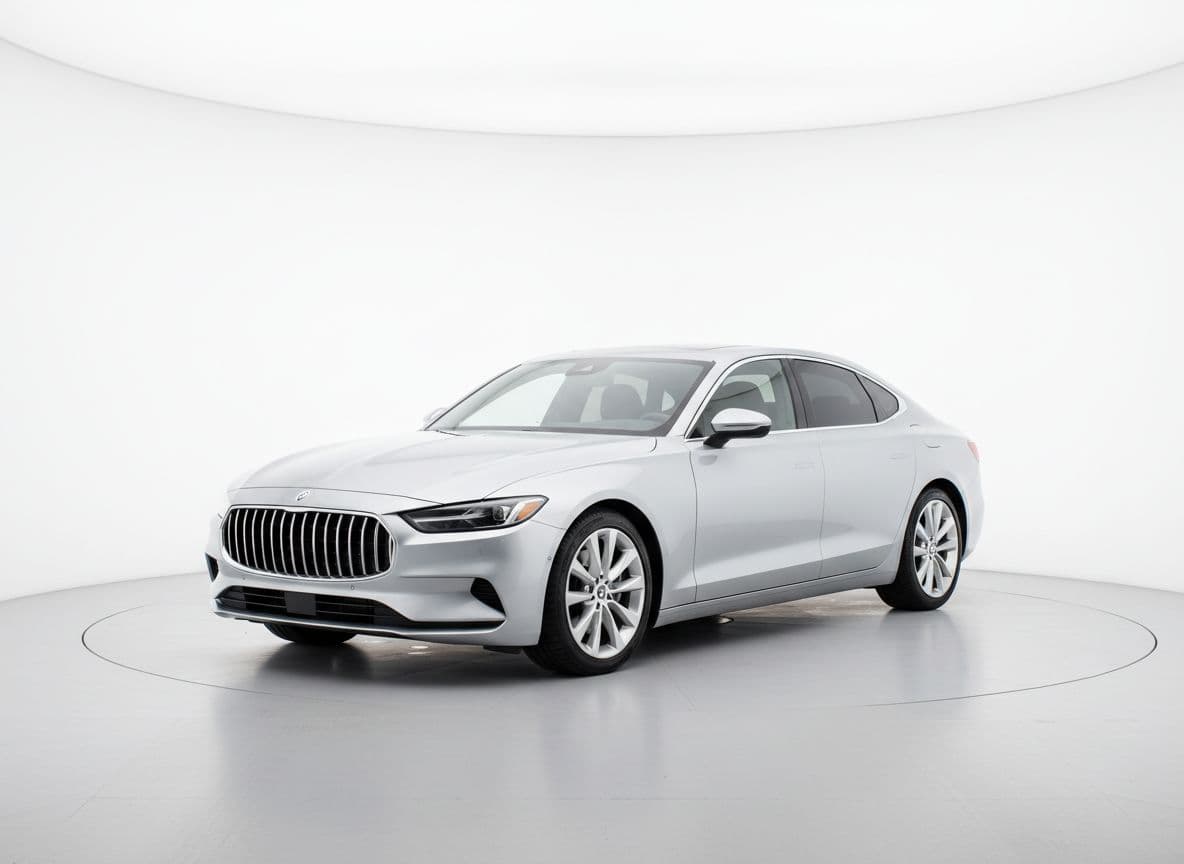
Your car is likely the second most valuable asset you own, yet most people have no idea what it's actually worth on the open market. Dealership trade-in offers are typically 15-30% below private sale value, costing sellers thousands of dollars. A $25,000 car might get a $18,000 trade-in offer when it could sell for $23,000 privately. Knowing your car's true market value gives you leverage in every transaction. Whether you're negotiating a trade-in, setting a private sale price, determining insurance coverage, or deciding whether to repair or replace your vehicle. Prices fluctuate seasonally too: convertibles are worth more in spring, SUVs and trucks peak in fall and winter. Our free AI tool gives you an unbiased estimate so you never leave money on the table.
Key Factors That Affect Cars Value
Understanding what drives the price of cars helps you get the most accurate valuation.
Make, Model & Trim
The brand and specific model are the biggest value determinants. Toyota and Honda vehicles hold value best, retaining 60-70% after 3 years. Luxury brands like BMW and Mercedes depreciate faster at 40-55%. The trim level matters enormously. A fully loaded Limited trim can be worth $5,000-$10,000 more than a base model of the same car.
Year & Mileage
Cars depreciate roughly 15-20% in the first year and 10-15% annually thereafter. Mileage is equally critical. The average is about 12,000-15,000 miles per year. A car with significantly below-average miles commands a premium, while high-mileage vehicles lose value faster. The sweet spot for resale is typically 2-4 years old with 25,000-50,000 miles.
Condition & History
Exterior and interior condition directly impact value. Dents, scratches, worn seats, and dashboard damage can reduce value by 10-25%. A clean vehicle history report (no accidents, single owner, regular maintenance) adds significant value. Accident history can reduce value by 10-30% depending on severity.
Color & Features
Neutral colors (white, black, silver, gray) sell fastest and hold value best. Bright or unusual colors can limit your buyer pool. Popular features like leather seats, sunroof, navigation, heated seats, and advanced safety systems add resale value. Technology packages and driver assistance features are increasingly important to buyers.
Market Conditions & Location
Used car prices fluctuate with economic conditions, fuel prices, and new car availability. The chip shortage of 2021-2023 drove used car prices to historic highs. Regional demand matters too. 4WD trucks are worth more in snowy states, while fuel-efficient sedans command premiums in urban areas with high gas prices.
Tips for Valuing Cars
Get the most accurate valuation by following these tips when photographing your cars.
Photograph the exterior from all four corners, plus the front and rear straight-on
Include clear interior shots showing the dashboard, seats, and any wear or damage
Photograph the odometer showing current mileage for the most accurate valuation
Take photos in good natural lighting. Avoid dark garages or harsh direct sunlight
Cars Market Insights
The used car market has stabilized after the extraordinary price spikes of 2021-2023 caused by the semiconductor shortage and pandemic disruptions. Prices have corrected 10-20% from their peaks but remain above pre-pandemic levels. Electric vehicles are creating new dynamics. EVs depreciate faster than gas cars currently due to rapidly improving technology and range, but demand is growing. Trucks and SUVs continue to dominate the American market and hold value well. Online selling platforms like Carvana, Vroom, CarGurus, and Facebook Marketplace have made private sales easier than ever. If you are considering selling, getting an accurate valuation first ensures you price competitively and avoid leaving money on the table.
Notable Cars Values
Real-world examples of what specific cars have sold for, so you can benchmark your own.
| Car | Condition | Typical Value |
|---|---|---|
| 2005 Ford GT | Used, Low Miles | $350,000 - $550,000+ |
| 1969 Chevrolet Camaro Z/28 | Restored | $60,000 - $120,000+ |
| 2010 Toyota Camry LE (4-cyl) | Used, High Miles | $7,000 - $12,000 |
| 1967 Shelby GT500 | Authenticated, Restored | $150,000 - $350,000+ |
| 2015 Subaru WRX STI | Used | $22,000 - $35,000 |
| 2022 Ford F-150 (XLT, V8) | Used, Low Miles | $38,000 - $52,000 |
| 1970 Plymouth Barracuda 440 Six Pack | Documented, Unrestored | $80,000 - $200,000+ |
| 2019 Chevrolet Silverado 1500 LT | Used | $28,000 - $40,000 |
| 1990 Acura NSX | Used, Original | $65,000 - $110,000+ |
Based on recent eBay sold listings, Bring a Trailer auction records, NADA Guides, and Hagerty valuation data.
Find Out What Your Cars Are Worth
Upload a photo now and get a free AI-powered valuation in seconds. No sign-up required.
Cars Valuation FAQ
How much does my car depreciate each year?
On average, a new car loses 20-25% of its value in the first year and about 15% per year for the next four years. After five years, most cars are worth 35-45% of their original MSRP. However, this varies significantly by brand. Toyota and Lexus vehicles depreciate the slowest, while luxury European brands tend to depreciate fastest. Trucks and SUVs generally hold value better than sedans.
Is it better to sell my car privately or trade it in?
Private sales typically yield 15-30% more than dealer trade-ins. However, trade-ins offer convenience and potential tax savings (in many states, you only pay sales tax on the difference when trading in). If your car is worth $20,000, a trade-in might offer $15,000-$17,000 while a private sale could bring $19,000-$21,000. For cars worth over $15,000, the extra effort of a private sale usually pays off significantly.
Does the color of my car affect its value?
Yes. White, black, gray, and silver are the most popular colors and sell fastest, typically commanding the highest resale values. Neutral colors appeal to the broadest buyer pool. Unusual colors like orange, yellow, or bright green can limit your buyer pool and take longer to sell, though they can command premiums on certain sports cars where bold colors are desirable.
When is the best time to sell my car?
Spring and early summer are generally the best times to sell any car, as demand peaks with tax refund season and warmer weather. Convertibles sell best in April-June. SUVs and trucks peak in September-November as buyers prepare for winter. Avoid selling in December-January when demand is lowest. Also time your sale before major model refreshes, which can depress prices for older versions.
How much does an accident affect my car's value?
Even a minor fender bender that has been fully repaired can reduce your car's value by 5-15% due to the accident appearing on the vehicle history report. A moderate accident (airbag deployment, structural damage) can reduce value by 20-40%. A car with a salvage or rebuilt title is worth 40-60% less than a clean-title equivalent. The impact lessens somewhat as the car ages.
Cars Guides & Articles

Value anything, anytime
Unlimited valuations, saved history and full reports in the free app.