Last updated: September 2026
How Much Is My Horse Trailer Worth?
Whether you have a Sundowner, Exiss, Trails West, Featherlite, or any other horse trailer, our AI analyzes the brand, size, living quarters, and condition to provide an accurate market valuation. From basic two-horse bumper-pulls to luxury living quarter trailers, get the right price before selling.
Get the free app for unlimited scans


Compare real prices
See what horse trailers are listed for right now
Affiliate link: we earn a commission if you buy, at no extra cost to you.
What do you want to value?
Get the free app for unlimited scans
Why Knowing Your Horse Trailers Value Matters
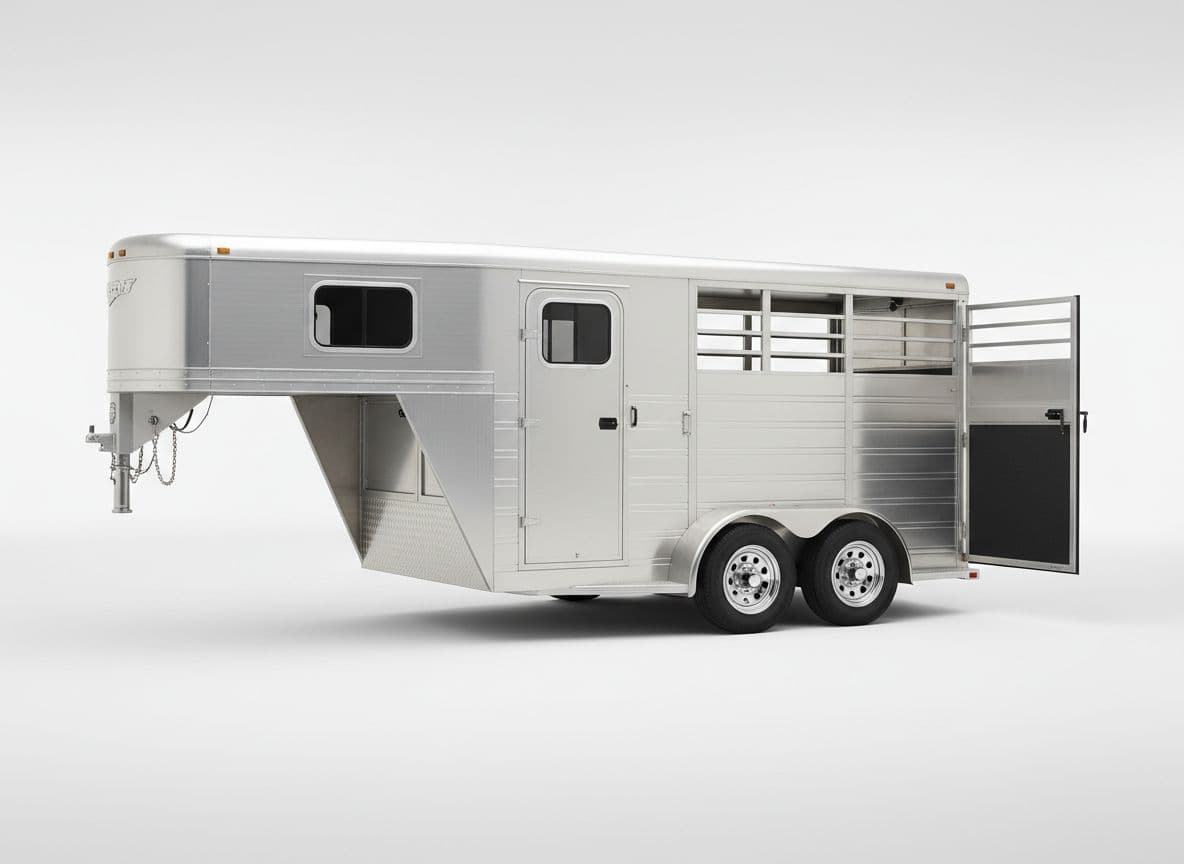
Horse trailers represent one of the most significant investments in the equestrian world, with prices ranging from $3,000 for a used basic two-horse bumper-pull to $100,000+ for a luxury living quarter trailer. Unlike general utility trailers, horse trailers have specific requirements for animal safety and comfort that directly impact value. Floor integrity, ventilation, divider function, and ramp/door operation are critical. The horse trailer market is driven by the equestrian community, which values safety, brand reputation, and specific features for their discipline (trail riding, showing, rodeo, racing). Many horse trailers change hands when owners reduce their herd, change disciplines, or leave the equestrian lifestyle. The market for quality used horse trailers is strong because new trailers have become increasingly expensive and wait times for custom orders can be months. Aluminum trailers from premium brands like Sundowner, Exiss, and Featherlite hold value exceptionally well. Understanding your trailer's fair market value based on brand, size, floor condition, and living quarter features ensures you price correctly in a market where buyers are knowledgeable and safety-conscious.
Key Factors That Affect Horse Trailers Value
Understanding what drives the price of horse trailers helps you get the most accurate valuation.
Brand & Manufacturer
Sundowner, Exiss, Featherlite, and Logan Coach are the premium brands that hold value best. Trails West, Cimarron, and Elite are strong mid-to-premium brands. 4-Star is a top-tier luxury brand. Calico and Delta are solid value brands. CM and WW are budget-friendly with lower resale. Aluminum construction brands (Featherlite, Exiss, Sundowner aluminum models) command significant premiums over steel trailers due to weight savings, rust resistance, and longevity.
Size & Configuration
Two-horse bumper-pull trailers are the most affordable segment ($3,000-$10,000 used). Three and four-horse gooseneck trailers with tack rooms are the most popular ($8,000-$30,000 used). Living quarter trailers with sleeping, kitchen, and bathroom areas command the highest prices ($15,000-$80,000+ used). Slant-load vs. straight-load configuration affects buyer preference by discipline. Head-to-head (stock combo) trailers serve ranching and cattle markets.
Floor & Structural Condition
Floor condition is the single most critical safety and value factor. Wood floors must be inspected for rot. Replacement costs $1,000-$3,000+. Aluminum floors are preferred and add value. Frame condition (rust, cracks, structural integrity) is essential for safety. Roof condition (no leaks, especially around vents and air conditioners) protects both interior and structural components. A trailer with a recently replaced floor is worth more but should include documentation.
Living Quarter Features
Living quarters dramatically increase trailer value. A basic weekender with sleeping area, AC, and basic amenities adds $5,000-$15,000 in value. Full living quarters with kitchen, bathroom (shower and toilet), refrigerator, microwave, and entertainment systems add $15,000-$40,000+. Slide-out rooms, generator prep, and upgraded finishes command premiums. Living quarter condition. No water damage, functional appliances, clean upholstery. Is crucial.
Age & Maintenance
Horse trailers depreciate more slowly than general trailers due to their specialized market and higher build quality. A 10-year-old premium brand trailer in good condition may retain 40-60% of its original value. Tire age, brake condition, bearing maintenance, and electrical system function all affect value. A trailer with documented maintenance history (annual inspections, bearing repacks, brake checks) commands confidence premiums from safety-conscious horse owners.
Tips for Valuing Horse Trailers
Get the most accurate valuation by following these tips when photographing your horse trailers.
Photograph the trailer from all four corners showing the exterior condition, roof, and overall appearance
Include interior photos of the horse area showing dividers, floor condition, mats, and ventilation
Show the living quarters (if equipped) including sleeping area, kitchen, bathroom, and any slide-outs
Photograph the floor from underneath if possible. Floor integrity is the number one safety concern for buyers
Horse Trailers Market Insights
The horse trailer market operates through equestrian-specific channels more than general marketplaces. EquineNow, HorseTrailerWorld, and HorseClicks are dedicated platforms. Facebook horse and equestrian groups are extremely active for trailer sales. Local tack stores and feed stores often have bulletin boards. Dealer trade-ins and consignment through horse trailer dealers are common. The market is moderately seasonal. Spring and summer show seasons drive higher demand and prices. Regional demand varies with equestrian population density. Texas, Oklahoma, Kentucky, and California are the strongest markets. Aluminum trailers from premium brands sell fastest. The living quarter segment has grown as trail riding and camping with horses has increased in popularity. If you are selling, a thorough floor inspection report and demonstration of all systems working (lights, brakes, fans, living quarter appliances) significantly accelerates the sale.
Notable Horse Trailers Values
Real-world examples of what specific horse trailers have sold for, so you can benchmark your own.
| Horse Trailer | Condition | Typical Value |
|---|---|---|
| Sundowner Charter 3-Horse Slant Gooseneck (aluminum) | Used - Good | $18,000 - $32,000 |
| Featherlite 8541 3-Horse Slant Gooseneck | Used - Good | $22,000 - $45,000 |
| Trails West Sierra 2-Horse Bumper Pull (steel) | Used - Fair | $4,500 - $9,000 |
| CM Stocker/Cattle Trailer (16 ft steel) | Used - Fair to Good | $6,000 - $14,000 |
| Exiss Endeavor 3-Horse Slant Gooseneck (aluminum) | Used - Good | $20,000 - $38,000 |
| Cimarron Norstar 4-Horse Living Quarters Gooseneck | Used - Good | $45,000 - $85,000 |
| WW Livestock 2-Horse Bumper Pull (steel, basic) | Used - Fair | $2,500 - $5,500 |
| Sooner 3-Horse Slant Gooseneck (aluminum, no LQ) | Used - Good | $24,000 - $42,000 |
| New Featherlite or Sundowner 4-Horse LQ Gooseneck | New / Like New | $80,000 - $150,000+ |
Based on eBay sold listings, RV Trader/Horse Trailer World asking prices, and regional livestock auction records.
Find Out What Your Horse Trailers Are Worth
Upload a photo now and get a free AI-powered valuation in seconds. No sign-up required.
Horse Trailers Valuation FAQ
How much do used horse trailers cost?
Basic two-horse bumper-pull trailers sell for $3,000-$10,000 used. Three-horse gooseneck trailers with tack rooms range from $8,000-$25,000. Living quarter trailers range from $15,000-$80,000+ depending on size, brand, and amenities. Aluminum trailers command 20-40% premiums over comparable steel trailers. Age, brand, and condition create wide price ranges within each category.
How often should horse trailer floors be replaced?
Wood floors in horse trailers should be inspected annually and typically last 8-15 years with proper maintenance (mats, cleaning, allowing drying). Aluminum floors can last the life of the trailer. Signs of floor deterioration include soft spots, visible rot, mold, and sagging. Floor replacement costs $1,000-$3,000 depending on trailer size and material. When buying used, always inspect the floor thoroughly. It is a safety-critical component.
Are aluminum horse trailers worth the extra cost?
For most equestrians, yes. Aluminum trailers weigh 1,000-2,000 lbs less than comparable steel trailers, reducing tow vehicle requirements and fuel costs. They do not rust, require less maintenance, and have significantly longer lifespans. Aluminum trailers hold resale value 20-40% better than steel. The weight savings improves stopping distance with loaded horses. The higher initial cost is largely offset by better resale value and lower total ownership cost.
What should I inspect before buying a used horse trailer?
Floor condition is the top priority. Tap and press every area for soft spots. Check the frame for rust, cracks, and weld integrity. Test all lights, brakes, and breakaway system. Inspect tires for age (replace if over 5 years) and check wheel bearings. Open and close all doors, dividers, and ramps. In living quarters, check for water damage (stains, musty smell, delamination). Verify the VIN matches the title. Consider a professional pre-purchase inspection.
Where is the best place to sell a horse trailer?
Facebook equestrian groups are the most active marketplace for horse trailers. The equestrian community is highly connected on social media. HorseTrailerWorld and EquineNow reach targeted buyers. Dealer consignment provides professional marketing and buyer financing options (10-20% commission). Local tack shops and feed stores have community bulletin boards. General platforms (Facebook Marketplace, Craigslist) work but attract more non-equestrian inquiries.
Value anything, anytime
Unlimited valuations, saved history and full reports in the free app.