Last updated: September 2026
How Much Are My Washer and Dryer Worth?
Whether you have a Samsung, LG, Whirlpool, Maytag, or Speed Queen washer and dryer set, our AI analyzes the brand, model, age, and condition to provide an accurate resale valuation. Moving, upgrading, or selling a rental property? Get the right price for your laundry appliances.
Get the free app for unlimited scans


Compare real prices
See what washers & dryers are listed for right now
Affiliate link: we earn a commission if you buy, at no extra cost to you.
What do you want to value?
Get the free app for unlimited scans
Why Knowing Your Washers & Dryers Value Matters
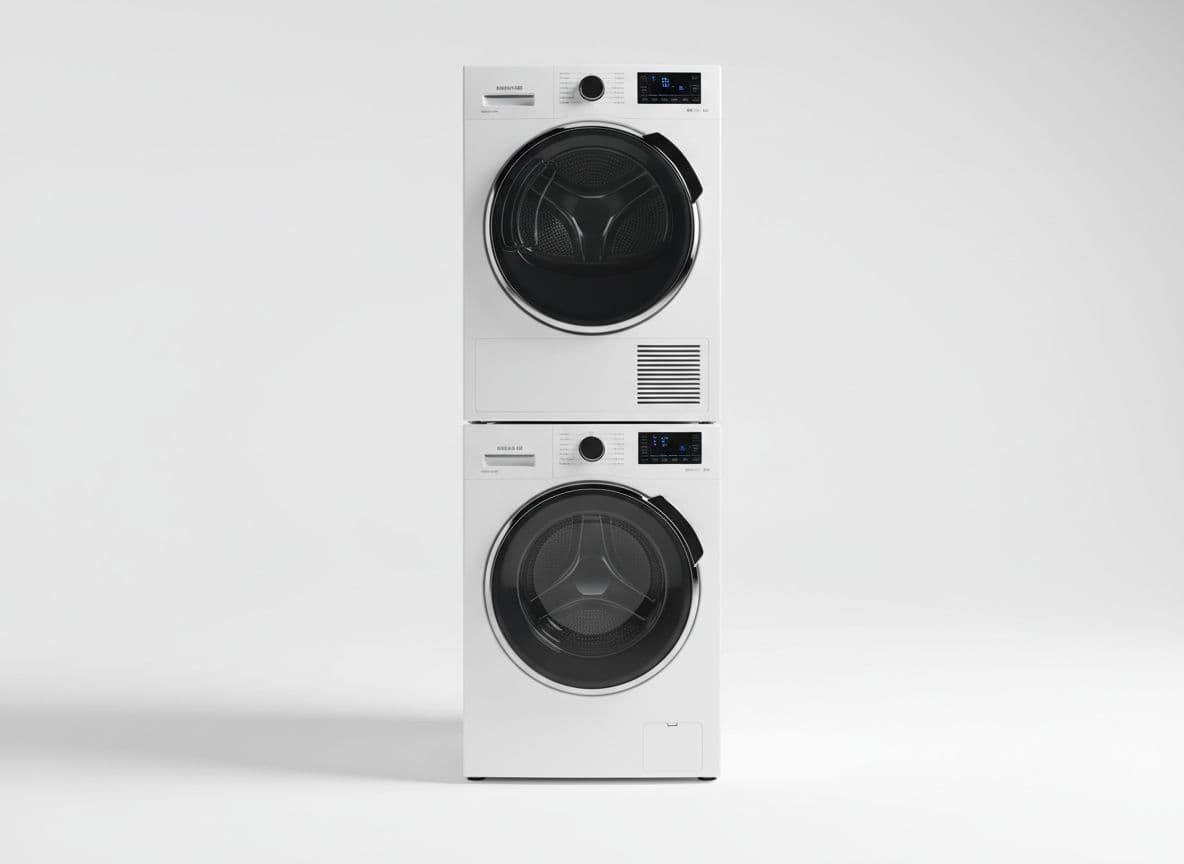
Washers and dryers are among the most frequently resold large appliances, yet most people have no idea what theirs are worth. New washer-dryer sets cost $1,000-$3,000+, and used sets in good working condition typically sell for $200-$800 depending on brand, age, and features. Speed Queen commercial-quality machines hold value exceptionally well due to their legendary durability. Samsung and LG front-loaders with modern features hold moderate value. Classic top-loaders from Whirlpool and Maytag have a dedicated following among buyers who prefer their simplicity and repairability. The most common selling triggers are moving, upgrading, or replacing appliances in rental properties. Many sellers underprice their machines because they just want them gone quickly, while others overprice based on the high cost of new appliances. Age is the primary depreciation factor, but condition and brand reputation create significant value differences between appliances of the same age. A working washer-dryer set delivered to a buyer's home commands a premium over a set requiring pickup from a second-floor laundry room.
Key Factors That Affect Washers & Dryers Value
Understanding what drives the price of washers & dryers helps you get the most accurate valuation.
Brand & Reputation
Speed Queen commands the highest resale values due to commercial-grade durability. A used Speed Queen set can sell for $500-$1,200+. LG and Samsung front-loaders hold moderate value ($300-$700 for sets). Whirlpool and Maytag are reliable sellers with consistent demand ($200-$500 for sets). GE and Electrolux hold moderate value. Budget brands (Amana, Roper, Hotpoint) have minimal resale value. Brand reputation directly correlates with buyer confidence and willingness to pay.
Age & Model Year
Appliances less than 3 years old hold 40-60% of retail value. 3-7 year old machines bring 20-40% of retail. Machines over 10 years old have limited value ($50-$200 for a set) unless they are Speed Queen or other commercial-grade units. Interestingly, some buyers specifically seek older, simpler machines (pre-2010 Whirlpool, Maytag) because they are easier and cheaper to repair than modern electronic models.
Type & Features
Front-loading washers command slight premiums for their water and energy efficiency. Top-loading washers with agitators are preferred by some buyers for perceived cleaning effectiveness. Steam features, sanitize cycles, and smart home connectivity add modest value on newer models. Stackable or compact units serve a specific market (apartments, small spaces) with dedicated demand. Matching washer-dryer sets sell for more together than individually.
Condition & Functionality
Both machines must work properly for full value. A working washer paired with a broken dryer is worth less than the washer alone because buyers want complete sets. No leaks, proper drainage, correct spin cycles, functional controls, and effective drying are baseline expectations. Cosmetic condition (dents, scratches, rust) has less impact than functionality but affects perceived value. Musty smells in front-loaders indicate mold issues and reduce value.
Delivery & Installation
Sellers who offer delivery and basic installation command 15-25% premiums over pickup-only sales. Washers and dryers are heavy (150-250 lbs each) and difficult to move, especially from basements or second floors. Many buyers cannot transport large appliances themselves. Offering delivery within a reasonable radius significantly expands your buyer pool and justifies higher pricing.
Tips for Valuing Washers & Dryers
Get the most accurate valuation by following these tips when photographing your washers & dryers.
Photograph both the washer and dryer from the front showing the controls, doors, and brand identification
Include a photo of the model number and serial number labels (usually inside the door or on the back). these identify exact age and specifications
Show the interior of the washer drum and dryer drum. Cleanliness signals good maintenance
If selling as a set, photograph them together. Matching sets are more appealing and command higher prices
Washers & Dryers Market Insights
The used appliance market is primarily local, with Facebook Marketplace and Craigslist being the dominant platforms. Used appliance stores buy machines for $50-$150 and resell for $200-$500, providing a quick-sale option at wholesale pricing. The market is steady year-round without significant seasonal variation, though demand increases slightly during peak moving seasons (May-September). Speed Queen has developed a cult following for its durability, and used Speed Queen machines sell quickly at premium prices. Front-loader mold and reliability concerns have created a sub-market of buyers specifically seeking simpler top-loaders. The appliance repair community has also created demand for older machines with available parts. If you are selling, clean machines thoroughly, demonstrate all cycles work, and offer delivery if possible to maximize your sale price.
Notable Washers & Dryers Values
Real-world examples of what specific washers & dryers have sold for, so you can benchmark your own.
| Washers & Dryer | Condition | Typical Value |
|---|---|---|
| Speed Queen TR7 Top-Load Washer | Used - Good | $400 - $650 |
| Miele W1 Front-Load Washer | Used - Good | $500 - $900 |
| LG WM4000H Front-Load Washer | Used - Good | $200 - $400 |
| Whirlpool Cabrio WTW8500 Top-Load Washer | Used - Fair | $80 - $175 |
| Samsung FlexWash WV60M9900A Combo | Used - Good | $350 - $650 |
| Maytag Centennial MVWC415EW Top-Load Washer | Used - Fair | $50 - $120 |
| LG DLGX5500 Gas Dryer | Used - Good | $175 - $350 |
| Speed Queen DR7 Electric Dryer | Used - Good | $300 - $500 |
| GE GTW685BSLWS Top-Load Washer | Used - Fair to Good | $100 - $225 |
Based on eBay sold listings, Facebook Marketplace comps, and Craigslist regional pricing for used laundry appliances.
Find Out What Your Washers & Dryers Are Worth
Upload a photo now and get a free AI-powered valuation in seconds. No sign-up required.
Washers & Dryers Valuation FAQ
How much are used washers and dryers worth?
A used washer-dryer set in good working condition typically sells for $200-$800. Sets under 3 years old from premium brands (LG, Samsung, Speed Queen) bring $400-$800. Sets 3-7 years old from good brands bring $200-$500. Older sets (7-12 years) bring $100-$300 if working. Individual machines sell for slightly more than half the set price. Speed Queen sets command the highest prices at any age due to their commercial-grade durability.
Is it worth selling old appliances or just junking them?
If your washer and dryer work, they have value. Even 10-15 year old working machines sell for $100-$250 as a set. Non-working machines still have scrap metal value ($20-$50 each) and some appliance repair shops buy broken machines for parts. Junk haulers and scrap metal recyclers will pick up non-working appliances for free. Only truly non-functional machines with no value justify paying someone for removal.
Where is the best place to sell a washer and dryer?
Facebook Marketplace is the most active platform for used appliances. It is free, local, and reaches a broad buyer base. Craigslist works well in many markets. Used appliance dealers buy machines quickly but at wholesale prices (40-60% below private sale value). OfferUp and Nextdoor also work for local sales. Offering delivery dramatically increases buyer interest and sale price. Always include brand, model, age, and working condition in your listing.
Should I sell my washer and dryer as a set or separately?
Sell as a set whenever possible. Matching washer-dryer sets sell for 10-20% more than the sum of individual sales, sell faster, and require only one transaction. Most buyers need both machines. If the machines are different brands, ages, or styles, selling individually may yield slightly more but takes longer. If one machine is broken, sell the working one individually and scrap or parts-sell the broken one.
How do I determine the age of my washer or dryer?
Find the model and serial number label (inside the door, on the back, or under the lid). The serial number often contains a date code. The first two digits or a letter code indicate the year of manufacture. Manufacturers' websites often have serial number lookup tools. You can also search the model number online to find when that model was produced. The age directly impacts value, so accurately stating it in your listing builds buyer trust.
Value anything, anytime
Unlimited valuations, saved history and full reports in the free app.