Last updated: September 2026
How Much Is My Rug Worth?
From antique Persian Tabriz and Kashan carpets to Turkish kilims, Afghan war rugs, and Navajo textiles, our AI identifies your rug's origin, age, weave type, and condition to provide an accurate market valuation. Whether you inherited a family heirloom or found a rug at an estate sale, discover its true worth without an expensive in-person appraisal.
Get the free app for unlimited scans


Compare real prices
See what rugs are listed for right now
Affiliate link: we earn a commission if you buy, at no extra cost to you.
What do you want to value?
Get the free app for unlimited scans
Why Knowing Your Rugs Value Matters
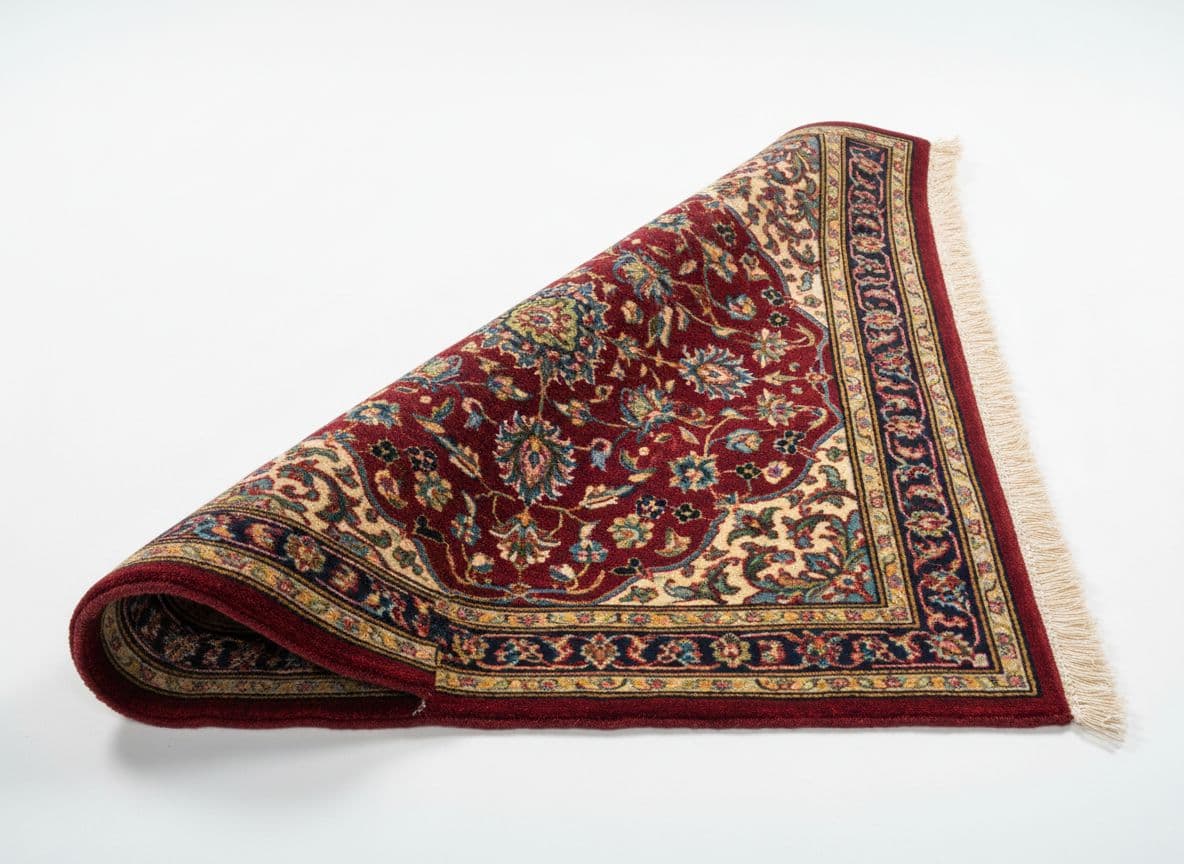
Handmade rugs are among the most valuable household items people own without realizing it. A fine antique Persian silk Kashan can sell for $10,000-$100,000+, and even quality wool rugs from well-known weaving regions regularly command $1,000-$10,000. Many families have rugs passed down through generations that they walk on daily without understanding their worth. The difference between a $200 machine-made reproduction and a $20,000 hand-knotted antique can be difficult for the untrained eye to detect. Proper valuation is essential for insurance, estate planning, and sale decisions.
Key Factors That Affect Rugs Value
Understanding what drives the price of rugs helps you get the most accurate valuation.
Origin & Weaving Region
Persian rugs from renowned workshops (Tabriz, Isfahan, Kashan, Nain, Qum) are among the most valuable. Turkish, Caucasian, Afghan, and Chinese rugs each have distinct characteristics and value ranges. City rugs with formal designs typically command higher prices than tribal or village rugs, though rare tribal pieces can be extremely valuable.
Age & Condition
Antique rugs (100+ years) in good condition are the most valuable. Some wear is expected and acceptable in antique rugs, but significant damage, moth damage, or dry rot reduces value. Professional restoration can maintain or improve value, while amateur repairs often reduce it.
Knot Density & Materials
Higher knot counts (measured in knots per square inch) generally indicate finer quality and higher value. Silk rugs are more valuable than wool. Natural dyes (vegetable, mineral) are preferred over synthetic dyes. A fine Persian silk rug might have 600+ knots per square inch, while a tribal wool rug might have 60-100.
Design & Pattern
Classic medallion designs, garden carpets, hunting scenes, and prayer rug formats each have their markets. Rare or unusual designs command premiums. Pictorial rugs, tree-of-life patterns, and rugs with historical motifs are particularly sought after by collectors.
Size & Proportions
Room-sized rugs (9x12 and larger) command higher total prices. However, small fine pieces like silk prayer rugs can have very high per-square-foot values. Unusual sizes (extremely long runners, palace-sized carpets) can be harder to sell but appeal to specific buyers.
Tips for Valuing Rugs
Get the most accurate valuation by following these tips when photographing your rugs.
Photograph the full rug from directly above to show the complete design
Include a close-up of the back side showing the knot structure
Show any labels, signatures, or inscriptions woven into the rug
Note any damage, repairs, or worn areas, and include close-up photos of these
Rugs Market Insights
The rug market has shifted significantly in recent decades. The decline of formal decorating has softened demand for large, dark Persian rugs, while lighter-colored rugs and tribal/bohemian styles have surged in popularity. Antique collector-grade rugs remain stable at the top end, but mid-range decorative rugs have seen price declines. Contemporary handmade rugs from countries like Nepal and India have created competition for traditional Persian and Turkish pieces. Online marketplaces have made the market more transparent but also more competitive. The best-performing segments are antique tribal rugs, fine silk pieces from renowned workshops, and early 20th-century rugs with natural dyes and artistic merit.
Notable Rugs Values
Real-world examples of what specific rugs have sold for, so you can benchmark your own.
| Rug | Condition | Typical Value |
|---|---|---|
| Persian Tabriz Rug (9x12 ft, wool pile, fine knotting) | Good / Used | $2,000 - $8,000 |
| Turkish Oushak Rug (antique, circa 1900, large format) | Antique / Authenticated | $3,000 - $15,000 |
| Persian Heriz Room-Size Rug (8x10 ft, 1930s-1960s) | Good / Used | $1,500 - $6,000 |
| Afghan Kilim Flat-Weave Rug (5x8 ft, modern hand-woven) | Used | $150 - $600 |
| Moroccan Beni Ourain Rug (hand-knotted, authentic vintage) | Vintage / Used | $400 - $2,500 |
| Machine-Made Oriental-Style Area Rug (Karastan or similar brand, 8x11 ft) | Used | $100 - $500 |
| Antique Caucasian Kazak Rug (circa 1880-1920, geometric) | Antique / Authenticated | $2,500 - $12,000 |
| Silk Persian Qom (Qum) Rug (4x6 ft, fine weave) | Excellent | $1,500 - $10,000+ |
| IKEA or Big-Box Store Synthetic Rug (mass-produced, used) | Used | $5 - $50 |
Based on auction records (Sotheby's, Christie's, Skinner), eBay sold listings, and dealer price guides from major rug marketplaces.
Find Out What Your Rugs Are Worth
Upload a photo now and get a free AI-powered valuation in seconds. No sign-up required.
Rugs Valuation FAQ
How do I tell if my rug is handmade or machine-made?
Turn the rug over and examine the back. Handmade rugs show individual knots and slight irregularities in the pattern. Machine-made rugs have perfectly uniform backs, often with a mesh-like appearance. Handmade rugs also have fringe that is an extension of the rug's structure, while machine-made fringes are sewn or glued on. Our AI can help identify construction type from photos.
What makes a Persian rug valuable?
The most important factors are origin (specific city or village), age, knot density, materials (silk vs. wool), dye quality (natural vs. synthetic), condition, and artistic merit. Rugs from prestigious workshops like Isfahan, Nain, and Qum with high knot counts and silk construction are the most valuable. Provenance and documentation also add value.
Should I clean my antique rug before getting it valued?
Professional cleaning by a specialist experienced with antique rugs can improve appearance without damaging value. Never machine-wash, steam clean, or use harsh chemicals on valuable rugs. Moth damage should be addressed by a professional conservator. For valuation purposes, our AI can assess dirty or dusty rugs accurately.
Are old rugs always worth more than new ones?
Not necessarily. A fine new rug from a prestigious workshop can be worth $10,000+ retail. However, antique rugs with natural dyes, quality construction, and historical significance generally appreciate over time, while new rugs depreciate initially. The key factors are quality, rarity, and artistic merit regardless of age.
Similar Valuations
Value anything, anytime
Unlimited valuations, saved history and full reports in the free app.