Last updated: September 2026
How Much Is My CorningWare Worth?
Whether you have rare Cornflower Blue pieces, vintage Spice of Life casseroles, or sought-after Wildflower patterns, our AI identifies the pattern, piece type, era, and condition of your CorningWare to deliver an accurate market valuation. From common kitchen staples to rare patterns worth hundreds, find out what your CorningWare is really worth.
Get the free app for unlimited scans


Compare real prices
See what corningware are listed for right now
Affiliate link: we earn a commission if you buy, at no extra cost to you.
What do you want to value?
Get the free app for unlimited scans
Why Knowing Your CorningWare Value Matters
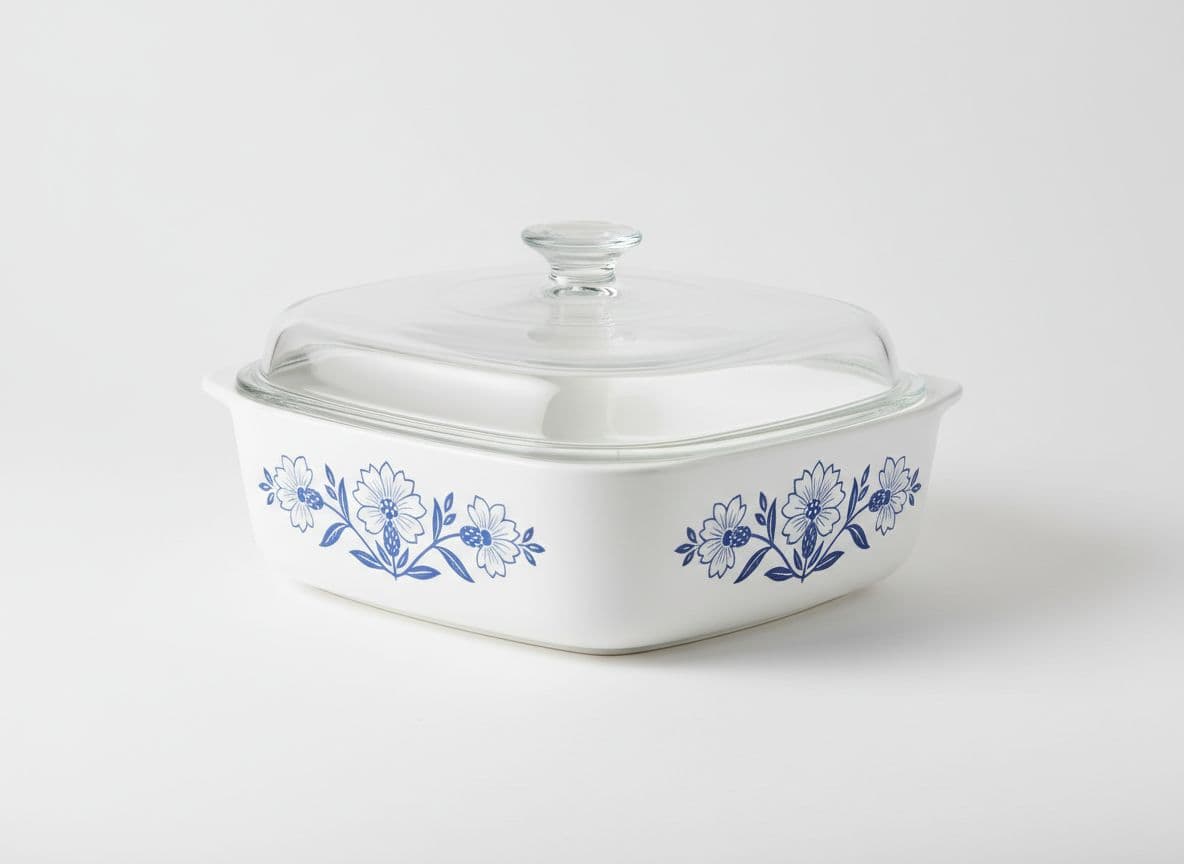
CorningWare has had a massive resurgence in collector interest, with certain rare patterns selling for surprisingly high prices. While viral social media posts claiming CorningWare is worth $10,000 are exaggerated, genuinely rare patterns like Wildflower, Floral Bouquet, and certain L'Echalote pieces can sell for $200-$500+.common patterns like Cornflower Blue are worth $5-$20 per piece, but rare variations within that pattern can be worth much more. Many people have inherited CorningWare or have pieces sitting unused in cabinets without realizing some could have collector value. Understanding the difference between a $5 common piece and a $200 rare piece is essential before selling.
Key Factors That Affect CorningWare Value
Understanding what drives the price of corningware helps you get the most accurate valuation.
Pattern & Rarity
CorningWare produced dozens of patterns.common patterns (Cornflower Blue, Spice of Life) are abundant and modestly priced at $5-$30. Rare patterns (Wildflower, Floral Bouquet, L'Echalote, Nature's Bounty) are produced in smaller quantities and can sell for $100-$500+ per piece. The pattern is the single biggest value driver.
Piece Type & Size
Certain forms are more valuable than others. Rare patterns on large casseroles and unusual forms like teapots, percolators, and range toppers bring the highest prices. Small petite pans and common casserole sizes are more affordable.complete sets with matching lids are worth more than orphan pieces.
Era & Material
Original Pyroceram (1958-2000s) CorningWare is more valuable than modern stoneware versions. Pyroceram is the original space-age glass-ceramic material that can go from freezer to stovetop. Earlier pieces with the 'P' or 'A' model numbers and the original backstamp are most collectible.
Condition
Chips, cracks, heavy staining, and faded patterns significantly reduce value. CorningWare with crisp, unfaded patterns and no damage commands full market price. Browning on the bottom from oven use is common and acceptable. Lids should be free of chips and cracks.
Lids & Accessories
Original glass, Pyroceram, or plastic lids add significant value. Many CorningWare pieces have lost their lids over decades of use. A casserole with its matching original lid can be worth 50-100% more than the base alone. Cradles and trivets also add value.
Tips for Valuing CorningWare
Get the most accurate valuation by following these tips when photographing your corningware.
Photograph the pattern clearly from above and the backstamp on the bottom
Include the lid in your photo if you have it. Lids significantly affect value
Show any condition issues like chips, staining, or pattern fading
Note the model number stamped on the bottom (e.g., P-43-B, A-1-B) for accurate identification
CorningWare Market Insights
CorningWare collecting surged after viral social media posts in 2019-2023 claiming pieces were worth thousands. While those valuations were often based on inflated eBay listing prices (not actual sales), the attention did increase genuine collector interest and real sale prices. eBay is the primary marketplace, with Facebook groups also active. Prices have normalized from the social media hype peak but remain elevated compared to pre-2019 levels. Rare patterns continue to bring strong prices from dedicated collectors.common patterns are plentiful and affordable, making CorningWare accessible to new collectors.
Notable CorningWare Values
Real-world examples of what specific corningware have sold for, so you can benchmark your own.
| CorningWare | Condition | Typical Value |
|---|---|---|
| CorningWare Blue Cornflower 1.5 Qt Casserole with Lid | Used | $15 - $40 |
| CorningWare Spice of Life (La Romarin) 2.5 Qt Casserole | Used | $20 - $60 |
| CorningWare Fleur de Lis (Blue Wheat) 1 Qt Saucepan | Used | $25 - $75 |
| CorningWare Black Starburst (Atomic) 1.5 Qt Casserole | Used | $200 - $600 |
| CorningWare Wildflower 2 Qt Casserole with Lid | Near Mint | $40 - $120 |
| CorningWare Blue Cornflower Complete Cookware Set (6+ pieces) | Near Mint | $80 - $250 |
| CorningWare Nature's Bounty (Vegetables) 2 Qt Casserole | Used | $30 - $90 |
| CorningWare Black Starburst Percolator Coffee Pot | Used | $400 - $1,200+ |
| CorningWare Blue Cornflower Petite Pan (Individual Casserole) | Near Mint | $10 - $30 |
Based on eBay sold listings, Etsy resale records, and collector forum price guides for vintage CorningWare.
Find Out What Your CorningWare Are Worth
Upload a photo now and get a free AI-powered valuation in seconds. No sign-up required.
CorningWare Valuation FAQ
Is my CorningWare really worth thousands of dollars?
Almost certainly not. Viral social media posts claiming CorningWare is worth $10,000+ are based on inflated eBay listing prices, not actual sales.common patterns like Cornflower Blue typically sell for $5-$30 per piece. However, genuinely rare patterns can sell for $100-$500+. Our AI gives you realistic market values based on actual recent sales.
Which CorningWare patterns are most valuable?
The most valuable patterns include Wildflower, Floral Bouquet, L'Echalote (The Shallot), Nature's Bounty, and certain test patterns. Among common patterns, early Cornflower Blue pieces with specific backstamp variations can be worth more than later production. Black Starburst and Blue Heather are also sought after by collectors.
How can I tell if my CorningWare is Pyroceram or stoneware?
Original Pyroceram CorningWare is smooth, lightweight for its size, and slightly translucent when held up to light. It has a distinctive ring when tapped. Modern stoneware versions are heavier, opaque, and feel more like regular ceramic. The backstamp also differs. Original pieces say 'Corning Ware' (two words) while newer versions say 'CorningWare' (one word).
Can I still use my vintage CorningWare for cooking?
Yes. Original Pyroceram CorningWare is extremely durable and safe for stovetop, oven, microwave, and freezer use. This versatility is part of what makes it valuable. However, if you have a rare or valuable piece, you may want to retire it from kitchen duty to preserve its collector value. Chips and thermal stress cracks reduce both safety and resale value.
CorningWare Price Guides
Similar Valuations
Value anything, anytime
Unlimited valuations, saved history and full reports in the free app.