Last updated: September 2026
How Much Is My Cast Iron Skillet Worth?
Whether you have a vintage Griswold, Wagner, Lodge, or unmarked antique cast iron skillet, our AI analyzes the maker, size, era, condition, and markings to determine its market value. From rare early gate-marked skillets to collectible Erie and Griswold pieces, get an instant valuation without visiting a dealer.
Get the free app for unlimited scans


Compare real prices
See what cast iron skillets are listed for right now
Affiliate link: we earn a commission if you buy, at no extra cost to you.
What do you want to value?
Get the free app for unlimited scans
Why Knowing Your Cast Iron Skillets Value Matters
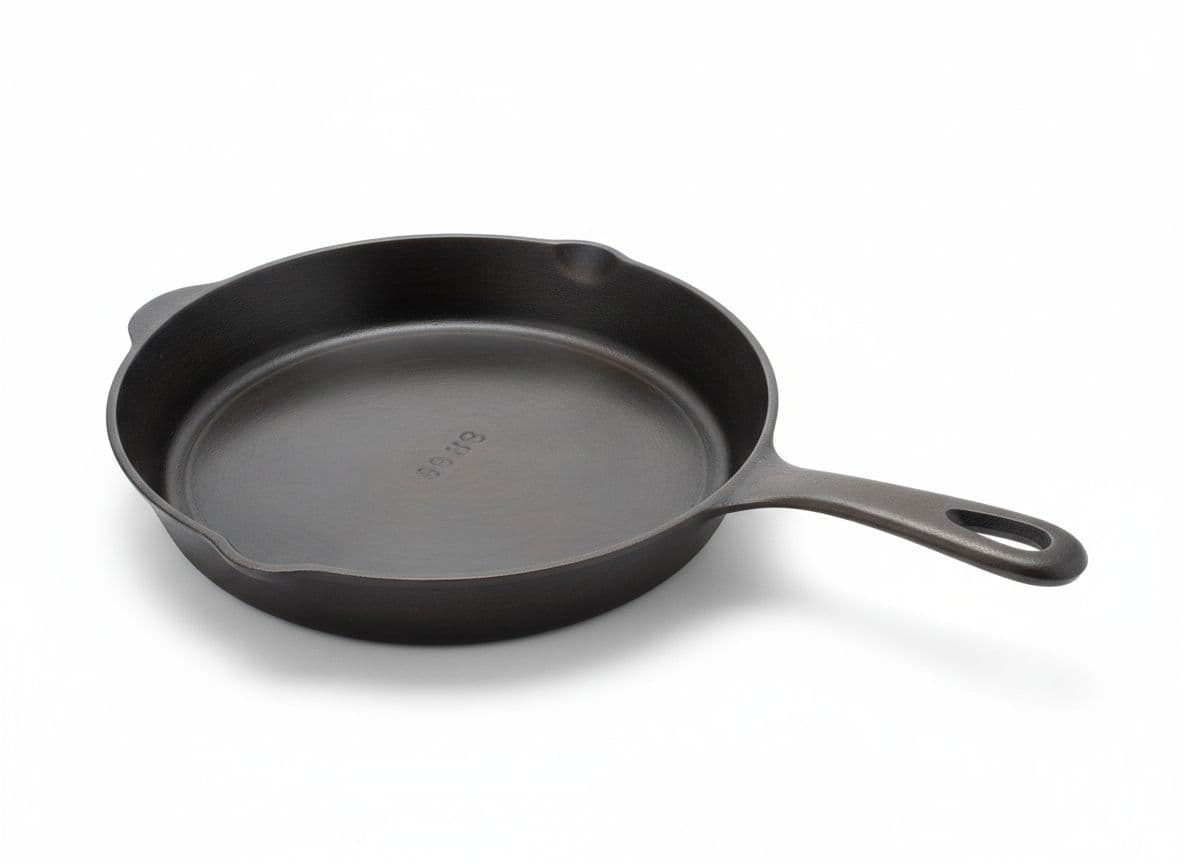
Antique and vintage cast iron skillets have become highly collectible, with rare pieces selling for thousands of dollars. A Griswold #13 skillet can fetch $1,500-$3,000, and rare early Erie pieces have sold for over $5,000 at auction. Many people inherit cast iron or find pieces at flea markets without recognizing their maker or age. Understanding value is critical because a skillet that looks like a $20 garage sale find could be worth $500 or more. Dealers and pickers actively hunt for underpriced cast iron, so knowing what you have protects you from lowball offers. Our AI identifies maker marks, heat rings, and other features that determine value.
Key Factors That Affect Cast Iron Skillets Value
Understanding what drives the price of cast iron skillets helps you get the most accurate valuation.
Maker & Brand
The manufacturer is the primary value driver. Griswold (Erie, PA) and Wagner Ware are the most collected brands, followed by Favorite/Piqua, Wapak, and early Lodge. Griswold pieces with the Erie spider logo or slant logo command the highest premiums. Unmarked pieces from known foundries can also be valuable once identified.
Size & Rarity
Common sizes (#8, #9, #10) are more affordable, while unusual sizes like #1, #2, #13, and #14 are rare and command significant premiums. A common Griswold #8 might sell for $50-$100, while a Griswold #13 can bring $1,500-$3,000. Specialty pieces like waffle irons, gem pans, and Dutch ovens also vary widely by size.
Condition & Smoothness
Vintage cast iron is prized for its smooth, machined cooking surface. Unlike modern rough-textured cast iron. Pieces free of cracks, warps, pitting, and heat damage are most valuable. A flat-sitting skillet with a glass-smooth cooking surface in original condition is ideal.
Markings & Era
Logo style, heat ring presence, pattern numbers, and ghost marks help date pieces. Earlier pieces (pre-1910) with gate marks, heat rings, and block lettering are generally more valuable. Griswold's large block logo era (1920s-1940s) is highly collected.
Restoration vs. Original
Properly restored (cleaned via lye bath or electrolysis and re-seasoned) cast iron maintains its value well. However, pieces that have been ground down, welded, or otherwise permanently altered lose significant value. Original factory seasoning on pieces that were never used can add a premium.
Tips for Valuing Cast Iron Skillets
Get the most accurate valuation by following these tips when photographing your cast iron skillets.
Photograph the bottom of the skillet clearly, showing all maker marks, logos, and pattern numbers
Include a photo of the cooking surface to show smoothness, pitting, or damage
Place the skillet on a flat surface and photograph from the side to show if it sits flat or wobbles
Note the size number (usually cast into the top of the handle or the bottom of the pan)
Cast Iron Skillets Market Insights
The vintage cast iron market has grown steadily as both collectors and home cooks have rediscovered the superior cooking qualities of old smooth-surfaced iron. eBay is the primary marketplace, with dedicated Facebook groups and forums like CastIronCollector.com also active. Griswold and Wagner remain the blue-chip brands, but interest in regional and lesser-known foundries is growing. Prices have moderated slightly for common pieces but continue to climb for rare sizes and early pieces. The crossover appeal between cooking enthusiasts and antique collectors keeps demand broad and stable.
Notable Cast Iron Skillets Values
Real-world examples of what specific cast iron skillets have sold for, so you can benchmark your own.
| Cast Iron Skillet | Condition | Typical Value |
|---|---|---|
| Griswold No. 8 Cast Iron Skillet (Large Logo) | Good - Very Good | $80 - $200 |
| Griswold No. 8 Cast Iron Skillet (Small Logo) | Good - Very Good | $40 - $100 |
| Wagner Ware Sidney -O- No. 8 Skillet | Good - Very Good | $30 - $80 |
| Griswold No. 14 Cast Iron Skillet (Large Logo) | Good - Very Good | $300 - $700 |
| Lodge Cast Iron Skillet (Vintage, Pre-1980s) | Used - Good | $15 - $50 |
| Griswold No. 20 Cast Iron Skillet | Good | $500 - $1,500+ |
| Birmingham Stove & Range (BSR) Red Mountain Skillet | Good - Very Good | $20 - $60 |
| Griswold Erie Spider Skillet (Pre-1905) | Good | $150 - $500 |
| Unmarked or Generic Antique Cast Iron Skillet | Used | $5 - $25 |
Based on eBay sold listings, collector forums (Cast Iron Collector), and antique cookware auction records.
Find Out What Your Cast Iron Skillets Are Worth
Upload a photo now and get a free AI-powered valuation in seconds. No sign-up required.
Cast Iron Skillets Valuation FAQ
How do I identify my cast iron skillet's maker?
Check the bottom for logos, pattern numbers, city names, or size markings. Griswold pieces say 'GRISWOLD' or 'ERIE,' Wagner says 'WAGNER WARE' or 'SIDNEY O.' Many old skillets are unmarked but can be identified by handle style, heat ring shape, and other features. Our AI can help identify unmarked pieces from photos.
Are unmarked cast iron skillets worth anything?
Yes. Many valuable cast iron skillets are unmarked. Some major foundries produced unmarked lines, and early gate-marked skillets (pre-1890) often have no maker name. An unmarked skillet with a smooth cooking surface, proper heat ring, and quality casting can be worth $50-$300+ depending on age and condition.
Does rust or old seasoning reduce cast iron value?
Surface rust and old seasoning buildup do not significantly reduce value as long as the underlying iron is sound. These can be removed through lye baths, electrolysis, or vinegar soaks. What does reduce value is pitting (rough spots from prolonged rust), cracks, warps, and heat damage. A rusty but pit-free skillet is still a great find.
Why are old cast iron skillets better than new ones?
Vintage cast iron was machined smooth after casting, creating a glass-like cooking surface that modern skillets lack. Most modern cast iron (including Lodge) skips this step, resulting in a rough, pebbly surface. The smooth surface of vintage iron provides better non-stick performance and is why collectors and cooks pay premium prices for old pieces.
Cast Iron Skillets Price Guides
Value anything, anytime
Unlimited valuations, saved history and full reports in the free app.