Last updated: September 2026
How Much Is My Crystal & Glassware Worth?
From Waterford crystal stemware and Lalique figurines to antique Tiffany lamps and Depression-era glass, our AI identifies your crystal and glassware by maker, pattern, and era to provide accurate market valuations. Whether you have a cabinet full of inherited crystal or individual art glass pieces, discover their true worth instantly.
Get the free app for unlimited scans


Compare real prices
See what crystal & glassware are listed for right now
Affiliate link: we earn a commission if you buy, at no extra cost to you.
What do you want to value?
Get the free app for unlimited scans
Why Knowing Your Crystal & Glassware Value Matters
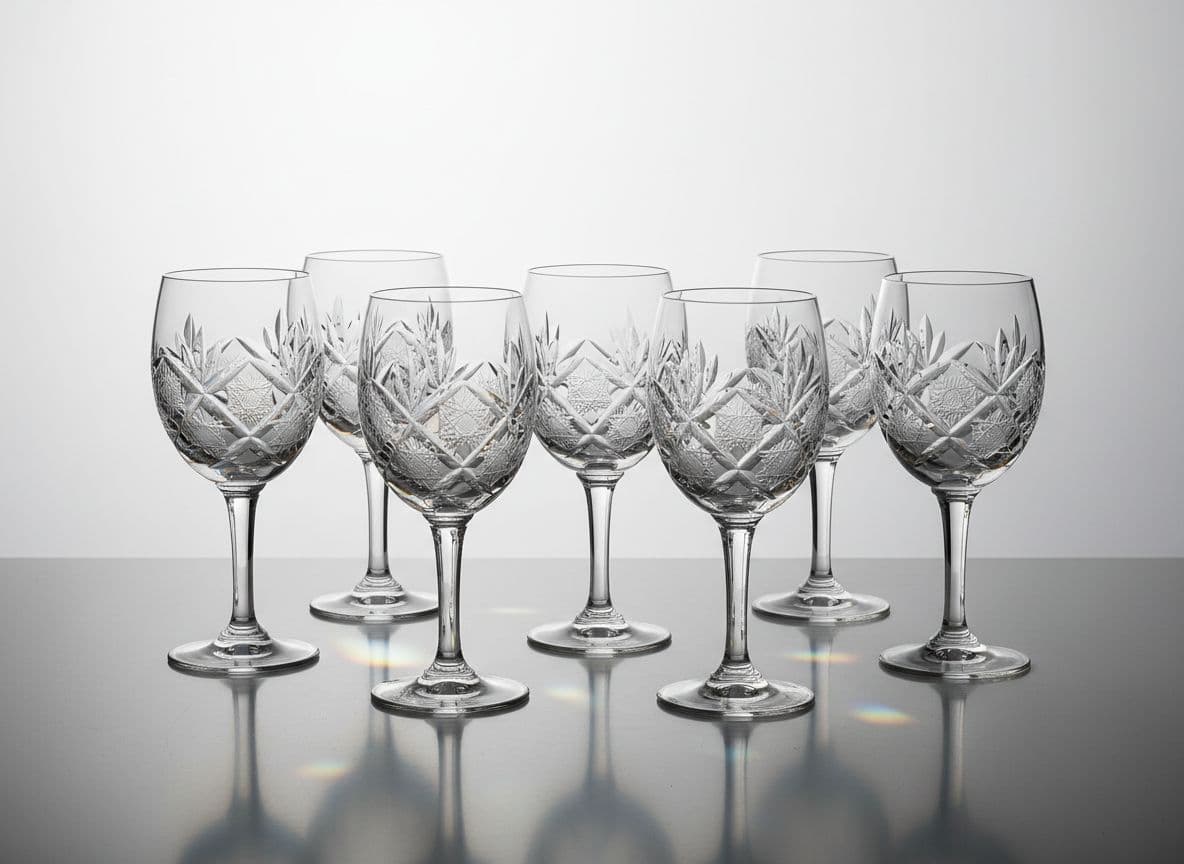
Crystal and art glass span an enormous range of values, from Depression-era glass worth a few dollars per piece to Tiffany lamps worth $100,000+. Many households have crystal stemware, vases, and decorative pieces that were originally expensive gifts or purchases but whose current market value may surprise you - either higher or lower than expected. Lalique, Steuben, and Baccarat pieces can be quite valuable, while even Waterford crystal has seen market shifts. Art glass from studios like Chihuly, Murano, and Tiffany commands premium prices. Understanding what you have and its current market value is essential before selling, insuring, or donating.
Key Factors That Affect Crystal & Glassware Value
Understanding what drives the price of crystal & glassware helps you get the most accurate valuation.
Maker & Brand
Prestigious makers command the highest prices. Lalique, Baccarat, and Steuben lead the crystal market. In art glass, Tiffany Studios, Loetz, Gallé, and Daum are among the most valuable. Contemporary studio glass from Dale Chihuly and other noted artists also has a strong market. Waterford crystal, while respected, has more modest secondary market values.
Type & Form
Art glass pieces (vases, sculptures, lamps) are generally more valuable than utilitarian stemware. Tiffany lamps are among the most valuable glass objects ever produced. Lalique car mascots, perfume bottles, and vases are highly collected. Unusual or one-of-a-kind forms command premiums.
Age & Period
Art Nouveau (1890-1910) and Art Deco (1920-1940) glass is highly collectible. Victorian-era cut glass and early American pressed glass have their own markets. Mid-century art glass from Murano, Italy, and Scandinavian design glass are popular with modern collectors.
Condition
Crystal and glass are fragile, so condition is critical. Chips, cracks, cloudiness, and scratches significantly reduce value. Even small rim chips can reduce stemware value by 50% or more. Internal fractures, sometimes invisible at first glance, also affect value. Perfect condition commands substantial premiums in this category.
Color & Technique
Certain colors are rarer and more valuable. In Depression glass, certain colors like tangerine or cobalt are more sought after. In art glass, complex techniques like cameo carving, pâte de verre, and internal decoration add significant value. Signed pieces are worth more than unsigned ones.
Tips for Valuing Crystal & Glassware
Get the most accurate valuation by following these tips when photographing your crystal & glassware.
Photograph pieces in good light to capture color, clarity, and any etched or cut patterns
Look for signatures, labels, or etched marks on the base - photograph these closely
Show any damage including chips, cracks, or cloudiness in close-up photos
For stemware sets, show a representative piece and note the total count
Crystal & Glassware Market Insights
The crystal and glassware market is divided between art glass (which remains strong) and utilitarian crystal (which has softened). Lalique, Baccarat, and Steuben maintain good secondary market values, but standard Waterford stemware has declined as formal entertaining has become less common. Art glass from the Art Nouveau and Art Deco periods continues to command strong prices, with Tiffany Studios pieces being the standout performers. Mid-century Murano glass has seen significant appreciation, driven by interior design trends. Contemporary studio glass has its own active market. Depression-era glass has a dedicated but aging collector base, with values remaining stable for rare pieces and colors. The market for carnival glass has similarly plateaued but rare pieces still bring good prices.
Notable Crystal & Glassware Values
Real-world examples of what specific crystal & glassware have sold for, so you can benchmark your own.
| Crystal & Glassware | Condition | Typical Value |
|---|---|---|
| Waterford Crystal Lismore Pattern Wine Glass (single) | Used, no chips | $20 - $60 |
| Lalique 'Bacchantes' Vase (clear frosted, post-1945) | Authenticated, no damage | $800 - $2,500 |
| Steuben Glass 'Gazelle Bowl' (1935, Sidney Waugh design) | Authenticated, intact | $3,000 - $8,000+ |
| Baccarat Crystal 'Harcourt' Champagne Flute (single, modern) | Used, no chips | $80 - $180 |
| Tiffany Studios Favrile Art Glass Vase (small, signed LCT) | Authenticated, minor wear | $500 - $3,000 |
| Waterford Crystal 12-Piece Lismore Goblet Set (boxed) | Near Mint, original box | $200 - $450 |
| Lalique 'Cactus' Crystal Vase (modern production) | Mint, signed | $300 - $700 |
| Fostoria American Pattern Glass Serving Piece (pitcher or bowl) | Used, no damage | $15 - $80 |
| Steuben Signed Crystal Paperweight or Figurine (post-1950) | Signed, no chips | $75 - $400 |
Based on eBay sold listings, Heritage Auctions and Sotheby's auction records, and established collector price guides for art glass and fine crystal.
Find Out What Your Crystal & Glassware Are Worth
Upload a photo now and get a free AI-powered valuation in seconds. No sign-up required.
Crystal & Glassware Valuation FAQ
How do I tell if my glassware is real crystal?
True lead crystal is heavier than regular glass, produces a clear ringing tone when gently tapped, and has more brilliant light refraction. Look for maker's marks etched on the base. The term 'crystal' technically refers to glass containing lead oxide (at least 24%), which gives it its distinctive sparkle and weight. Our AI can help identify crystal from photos of the markings and optical qualities.
Is Waterford crystal still valuable?
Waterford crystal has seen declining secondary market values, particularly for common stemware and barware patterns. Many pieces that retailed for $50-100 now sell for $10-30 on the secondary market. However, older Waterford pieces (pre-1990s), large chandeliers, and special limited editions still hold better value. Master cutter pieces and rare patterns can command $100-500+.
What is the most valuable type of glass?
Tiffany Studios lamps and windows are among the most valuable glass objects, with exceptional examples selling for $100,000-$3,000,000+. Lalique car mascots ($1,000-$50,000), Gallé and Daum cameo glass ($500-$50,000), and contemporary Chihuly installations ($10,000-$1,000,000+) are also at the top of the market. Even more accessible art glass pieces from known makers can be worth $100-$5,000.
Is Depression glass worth collecting?
Depression glass (mass-produced colored glassware from the 1920s-1940s) has a dedicated collector base.common pieces in common colors are worth $5-20, but rare patterns and colors (tangerine, cobalt blue, certain greens) can be worth $50-500+.complete sets and unusual serving pieces command the highest prices. The market is mature and values are relatively stable.
Crystal & Glassware Price Guides
Value anything, anytime
Unlimited valuations, saved history and full reports in the free app.