Last updated: September 2026
How Much Is My China & Porcelain Worth?
From antique Meissen figurines and Sevres vases to Wedgwood dinner sets and Japanese Imari ware, our AI identifies your china's maker, pattern, age, and condition to provide accurate valuations. Whether you inherited a complete dinner service or found individual pieces at an estate sale, discover their market value instantly.
Get the free app for unlimited scans


Compare real prices
See what china & porcelain are listed for right now
Affiliate link: we earn a commission if you buy, at no extra cost to you.
What do you want to value?
Get the free app for unlimited scans
Why Knowing Your China & Porcelain Value Matters
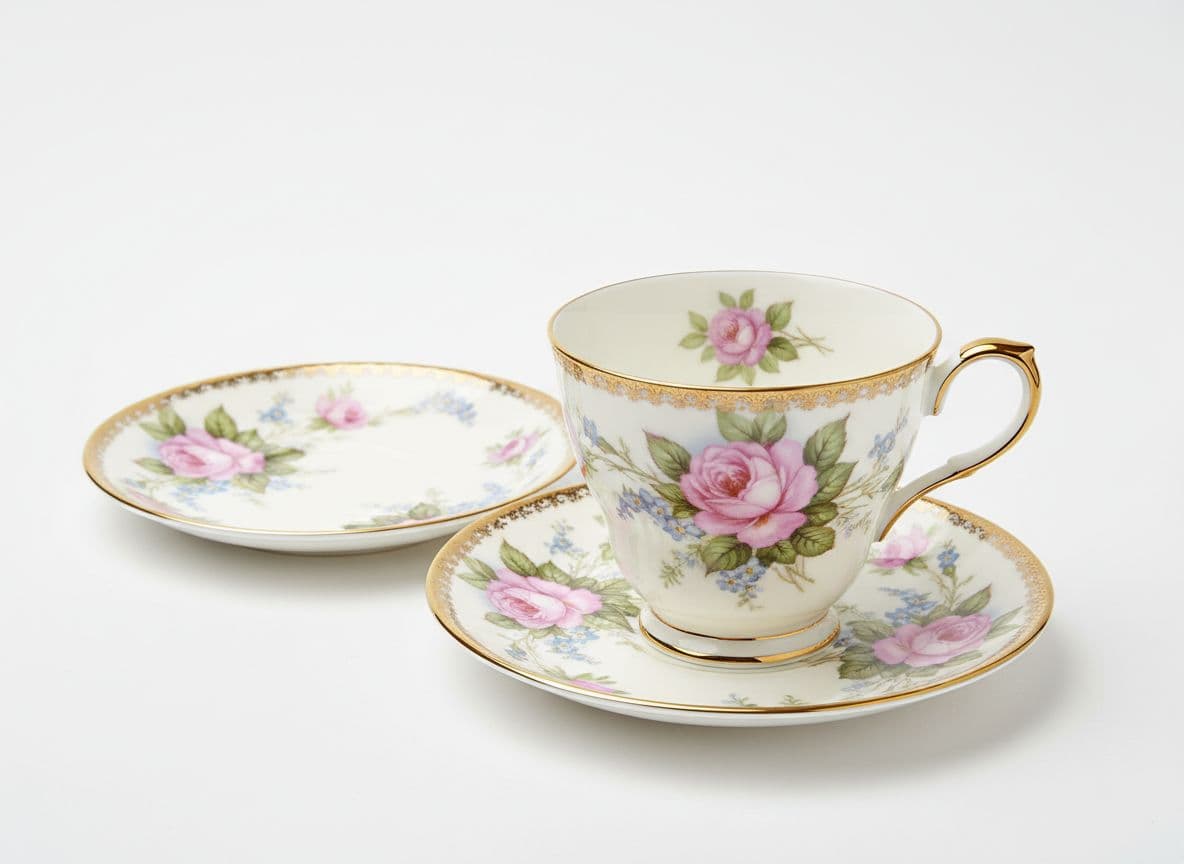
Fine china and porcelain represent a collecting category where values range from a few dollars to hundreds of thousands. An 18th-century Meissen figure can sell for $5,000-$100,000+, while a complete set of sought-after Royal Copenhagen or Flora Danica dinnerware might be worth $20,000-$50,000. However, many common china patterns from the mid-20th century have limited resale value despite their original high cost. The market has shifted significantly, making accurate valuation essential. Many people assume their inherited china set is extremely valuable, while others unknowingly discard pieces worth hundreds of dollars. Our AI helps you understand exactly what you have.
Key Factors That Affect China & Porcelain Value
Understanding what drives the price of china & porcelain helps you get the most accurate valuation.
Maker & Factory
Prestigious European factories like Meissen, Sevres, Royal Copenhagen, Herend, and early Worcester command the highest prices. Asian porcelain from notable Chinese and Japanese kilns can also be extremely valuable. Marks on the bottom of pieces identify the factory and period. Later mass-market brands like Noritake or Corelle have minimal collector value.
Age & Period
18th-century porcelain is generally the most valuable, as it represents the earliest European porcelain production. 19th-century pieces from major factories hold strong value. 20th-century china varies widely - Art Deco and Mid-Century designs are collectible, while standard mid-century dinner sets have limited demand.
Pattern & Design
Certain patterns are highly sought after regardless of maker. Hand-painted pieces with complex designs are worth more than transfer-printed patterns. Figurative scenes, botanical subjects, and gilt-heavy designs tend to command premiums.complete dinner services in desirable patterns are worth far more than mismatched pieces.
Condition
Chips, cracks, hairline fractures, crazing, and repairs significantly reduce value in porcelain. A perfect piece might be worth $500, while the same piece with a small chip could be $50-100. However, for very rare or early pieces, collectors accept some condition issues. Professional restoration can be worthwhile for valuable items.
Completeness of Sets
Complete dinner services with all original pieces command premium prices. Missing pieces or mismatched replacements reduce set value significantly. Serving pieces (tureens, platters, gravy boats) are often the most valuable individual items in a set. Unusual forms like chocolate pots and fish services are collectible on their own.
Tips for Valuing China & Porcelain
Get the most accurate valuation by following these tips when photographing your china & porcelain.
Photograph the bottom of each piece to show maker's marks and backstamps
Show the front pattern clearly with good lighting to capture colors and gilt
Note any chips, cracks, crazing, or repairs - even small flaws matter
For sets, photograph representative pieces and list the total piece count
China & Porcelain Market Insights
The china market has experienced significant changes. Formal dinner sets from mid-20th century manufacturers (many Noritake patterns, common Lenox, standard Royal Doulton) have declined in value as formal dining has fallen out of fashion. However, top-tier antique porcelain continues to perform well at auction. Chinese export porcelain, 18th-century European factory pieces, and Art Deco designs remain strong. The market for individual decorative pieces (vases, figurines, cabinet plates) is often stronger than dinner services. Replacement china services like Replacements Ltd. have created a market for individual pieces from discontinued patterns. Asian collectors have driven prices for high-quality Chinese and Japanese porcelain to record levels.
Notable China & Porcelain Values
Real-world examples of what specific china & porcelain have sold for, so you can benchmark your own.
| China & Porcelain | Condition | Typical Value |
|---|---|---|
| Meissen Blue Onion Pattern Dinner Plate (19th century) | Good, no chips | $150 - $600 |
| Royal Doulton Toby Jug (large, pre-1960) | Good | $40 - $250 |
| Limoges Hand-Painted Portrait Cabinet Plate | Excellent | $80 - $400 |
| Wedgwood Jasperware Biscuit Barrel (blue, 19th century) | Good, original lid | $100 - $500 |
| KPM Berlin Porcelain Plaque (painted figure, 19th century) | Authenticated | $2,000 - $20,000+ |
| Haviland Limoges Complete Dinner Service (12-place) | Used, minor wear | $200 - $800 |
| Sèvres-Style Gilt Porcelain Vase Pair (French, 19th century) | Authenticated | $800 - $6,000 |
| Flow Blue Transferware Dinner Plate (English, Victorian) | Good | $20 - $120 |
| Chinese Export Famille Rose Porcelain Bowl (18th century) | Authenticated, no repairs | $500 - $8,000+ |
Based on eBay sold listings, major auction house records (Christie's, Bonhams, Sotheby's), and established antique dealer price guides.
Find Out What Your China & Porcelain Are Worth
Upload a photo now and get a free AI-powered valuation in seconds. No sign-up required.
China & Porcelain Valuation FAQ
Is my grandmother's china set worth a lot?
It depends on the maker, pattern, age, and condition. China from prestigious factories (Meissen, Herend, Royal Copenhagen) or in sought-after patterns can be worth thousands. However, many common mid-century china sets that were expensive to buy have limited resale value today - perhaps $100-500 for a complete set. Our AI can quickly identify your pattern and give you a realistic value.
How do I identify the maker of my china?
Turn pieces over and look for marks on the bottom. Most manufacturers stamped, printed, or impressed their marks. These backstamps often include the maker's name, country of origin, and sometimes the pattern name. The style of the mark can also help date the piece. Our AI can identify most maker's marks from a photo of the bottom.
Does a chip or crack ruin the value of china?
Chips and cracks significantly reduce value - typically by 50-90% for common pieces. For rare or antique pieces, damage reduces value but doesn't eliminate it entirely. A chipped 18th-century Meissen piece still has value. Professional restoration can sometimes be worthwhile for pieces valued over $200, but repairs should always be disclosed when selling.
What types of china are most valuable today?
The most valuable categories include: 18th-century European porcelain (Meissen, Sevres, early Worcester), fine Chinese export porcelain, Japanese Kakiemon and Imari ware, Art Deco designs, and complete services from prestigious patterns like Flora Danica or Rothschild Bird. Decorative pieces (vases, figurines) often hold value better than dinnerware.
China & Porcelain Price Guides

Value anything, anytime
Unlimited valuations, saved history and full reports in the free app.