Last updated: September 2026
How Much Is Your Air Conditioner Worth?
Whether you have a window unit, portable AC, ductless mini-split, or central air conditioning system, our AI analyzes the type, brand, BTU capacity, age, and condition to provide an accurate resale valuation. Upgrading your cooling? Moving? Know what your air conditioner is worth.
Get the free app for unlimited scans


Compare real prices
See what air conditioners are listed for right now
Affiliate link: we earn a commission if you buy, at no extra cost to you.
What do you want to value?
Get the free app for unlimited scans
Why Knowing Your Air Conditioners Value Matters
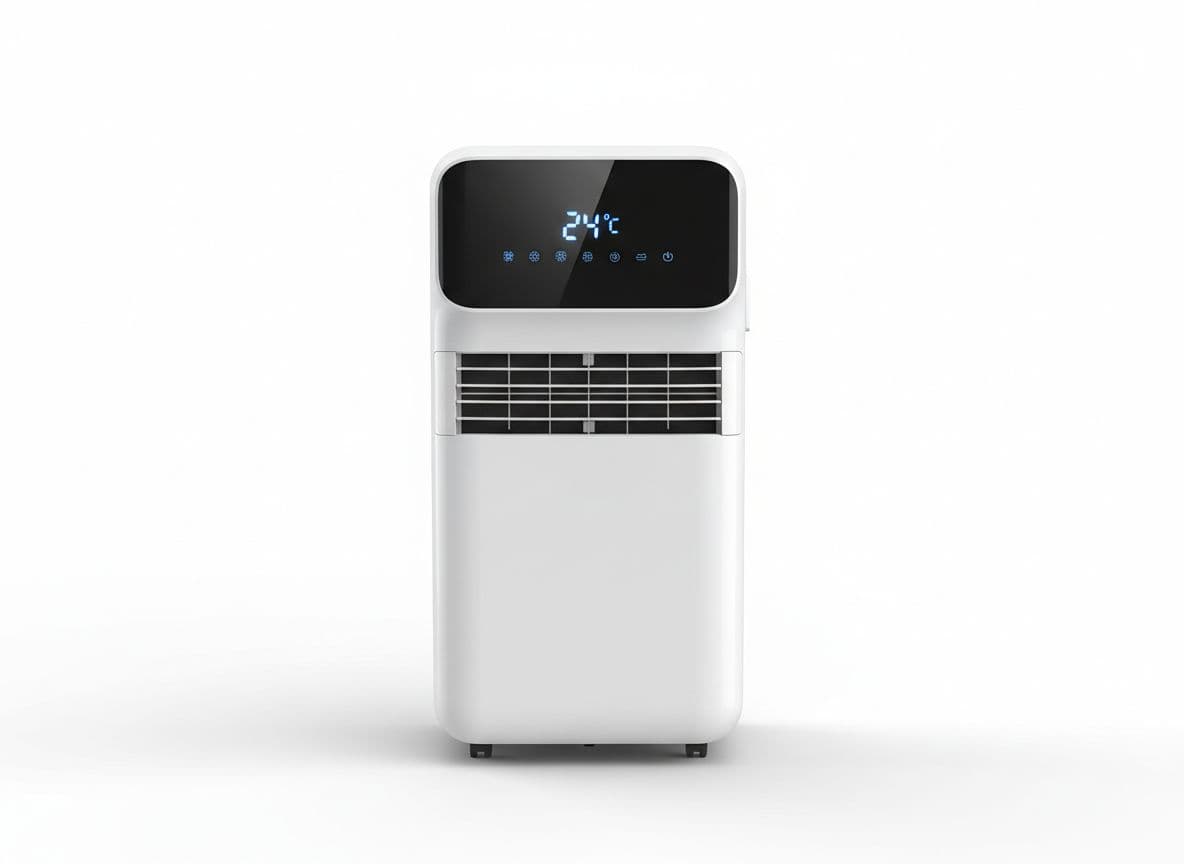
Air conditioning is essential in most of the US, and cooling equipment represents significant expense. Window units cost $150-$800 new, portable ACs $300-$700, mini-splits $1,000-$4,000 installed, and central AC systems $3,000-$8,000+ installed. The used AC market is driven by seasonal demand and affordability: renters needing window units, homeowners with sudden AC failures needing quick solutions, landlords equipping rental properties, and budget-conscious buyers seeking savings. Window and portable AC units have the strongest resale market because they are easy to transport and install. Mini-split outdoor/indoor units sell well to contractors and handy homeowners. Used central AC condensers and air handlers have a limited but real market among HVAC contractors and property managers. The seasonality is extreme. An AC unit worth $200 in June might sell for $75 in December.
Key Factors That Affect Air Conditioners Value
Understanding what drives the price of air conditioners helps you get the most accurate valuation.
Type & BTU Capacity
Window units (5,000-25,000 BTU): $50-$300 used depending on size and brand. Portable AC units: $100-$350 used. Ductless mini-split systems: $300-$1,500 used (outdoor + indoor unit). Central AC condensers: $200-$1,000 used (typically sold to contractors). Higher BTU ratings (larger cooling capacity) command higher prices within each type. Energy-efficient models with high EER/SEER ratings are preferred.
Brand & Efficiency
Premium brands hold value: LG and Friedrich (window units), Carrier and Trane (central AC), Mitsubishi and Daikin (mini-splits). Mid-tier brands (GE, Frigidaire, Whirlpool) hold moderate value. Budget brands (Haier, Arctic King) depreciate fastest. Energy Star certified models command premiums. SEER ratings of 16+ for central/mini-split and EER ratings of 12+ for window units are desirable.
Age & Refrigerant Type
ACs less than 3 years old hold 40-55% of retail. 3-7 year old units: 20-35% of retail. Units over 10 years old have minimal value. Refrigerant type matters: R-410A (Puron) is the current standard. R-22 (Freon) was phased out in 2020. Systems using R-22 have reduced value because the refrigerant is expensive and increasingly scarce. Newer R-32 refrigerant systems are the most future-proof.
Condition & Functionality
An AC that cools effectively is worth full market value. Cooling performance is the only thing buyers truly care about.common issues reducing value: weak cooling (low refrigerant or dirty coils), noisy operation, water leaks, non-functioning controls, or damaged fins. Cosmetic issues (scratches, yellowing of plastic) have minimal impact on functionality-focused buyers. Clean filters and coils demonstrate maintenance.
Season & Location
Selling in late spring/early summer (May-June) yields 30-50% higher prices than fall/winter. In hot climates (South, Southwest), demand is strong from April through September. In moderate climates, the selling window is shorter (June-August). Location affects value. AC units in Arizona sell year-round while identical units in Minnesota have a narrow market. Hurricane and heat wave events create sudden demand spikes.
Tips for Valuing Air Conditioners
Get the most accurate valuation by following these tips when photographing your air conditioners.
Demonstrate the AC running and cooling. A video showing the unit operating with cold air output is the best selling tool
Show the model label with brand, BTU rating, EER/SEER, and refrigerant type clearly visible
Clean the filter and coils before photographing. A clean unit looks well-maintained and sells faster
Note the BTU rating and the room size it is suited for. This helps buyers find the right match
Air Conditioners Market Insights
Facebook Marketplace and Craigslist dominate the used AC market. These are heavy, bulky appliances best sold locally. The market is hyper-seasonal: prices peak in heat waves and early summer, then drop 30-50% after September. Window units have the largest buyer pool and sell fastest. Most buyers are renters, college students, or homeowners with a room that the central AC doesn't reach well. Portable AC units sell well year-round in regions with variable weather. Mini-split components are increasingly popular as DIY installation has become mainstream (thanks to YouTube and pre-charged line sets). HVAC contractors and property management companies are volume buyers of used central AC equipment. Pawn shops generally don't handle AC units. The BTU-to-room-size match is important in listings. Buyers search by the BTU needed for their space.
Notable Air Conditioners Values
Real-world examples of what specific air conditioners have sold for, so you can benchmark your own.
| Air Conditioner | Condition | Typical Value |
|---|---|---|
| Window AC Unit (5,000-8,000 BTU, major brand) | Used | $40 - $150 |
| Window AC Unit (10,000-12,000 BTU, major brand) | Used | $80 - $250 |
| Portable AC Unit (8,000-14,000 BTU) | Used | $60 - $200 |
| Window AC Unit (18,000-25,000 BTU, major brand) | Used | $150 - $400 |
| Mini-Split Single Zone (9,000-12,000 BTU, DIY brand) | Used | $200 - $500 |
| Mini-Split Single Zone (12,000-18,000 BTU, Mitsubishi or Daikin) | Used | $400 - $1,000 |
| Central AC Condenser Unit (2-3 ton, Carrier or Trane) | Used | $300 - $900 |
| Central AC Condenser Unit (3.5-5 ton, Carrier, Trane, or Lennox) | Used | $500 - $1,500 |
| Mini-Split Multi-Zone System (Mitsubishi MXZ series) | Used | $800 - $2,500+ |
Based on eBay sold listings, Facebook Marketplace data, and HVAC resale forums.
Find Out What Your Air Conditioners Are Worth
Upload a photo now and get a free AI-powered valuation in seconds. No sign-up required.
Air Conditioners Valuation FAQ
How much is a used window air conditioner worth?
Small window units (5,000-8,000 BTU): $40-$100. Medium units (8,000-12,000 BTU): $75-$200. Large units (12,000-18,000 BTU): $100-$300. Extra-large units (18,000-25,000 BTU): $150-$400. Premium brands (Friedrich, LG) command higher prices. Season dramatically affects pricing. Expect 30-50% less in fall/winter. Units less than 3 years old in working condition sell best.
When is the best time to sell an air conditioner?
Late May through early July is the prime selling window. Buyers are preparing for summer heat and willing to pay premium prices. During heat waves, demand spikes and prices increase further. August is still good. September-October prices drop as summer ends. November-March is the worst time. Wait until spring if possible. In southern states, the season extends longer (April-September).
Are portable air conditioners worth buying used?
Yes. Portable ACs are one of the better used AC purchases because they are easy to inspect, test, and transport. They cost $300-$700 new, so savings of 40-60% by buying used are significant. Check that the exhaust hose, window kit, and drainage are included and functional. Dual-hose models are more efficient than single-hose. Test the unit before buying. It should cool a room noticeably within 15-20 minutes.
How long do air conditioners last?
Window units: 8-12 years. Portable AC units: 8-10 years. Ductless mini-splits: 15-20 years. Central AC systems: 15-20 years. Proper maintenance (filter cleaning, annual servicing for central AC) extends life significantly. The most common failures are compressor burnout, refrigerant leaks, and fan motor failure. Regular filter cleaning is the single most important maintenance task for all AC types.
Is it worth fixing an old air conditioner?
For window units under $200 new: repairs over $75 are rarely worthwhile. For portable ACs: repairs under $150 are reasonable for units less than 5 years old. For mini-splits and central AC: compressor replacement ($500-$1,500) is worthwhile on systems under 10 years old. R-22 refrigerant recharges are expensive ($100-$300) and temporary. Upgrading to a new R-410A system is usually more cost-effective long-term.
Value anything, anytime
Unlimited valuations, saved history and full reports in the free app.