Last updated: September 2026
How Much Is My Persian or Oriental Rug Worth?
Persian and oriental rugs are among the most valuable textile art forms in the world, with exceptional examples selling for tens of thousands to millions of dollars. Our AI analyzes your rug's design, knotting style, materials, age, and condition to provide an accurate market valuation. Whether you have a family heirloom, an estate find, or a bazaar purchase, understanding its true value protects you from underselling and helps with insurance, estate planning, and informed collecting.
Get the free app for unlimited scans


Compare real prices
See what persian & oriental rugs are listed for right now
Affiliate link: we earn a commission if you buy, at no extra cost to you.
What do you want to value?
Get the free app for unlimited scans
Why Knowing Your Persian & Oriental Rugs Value Matters
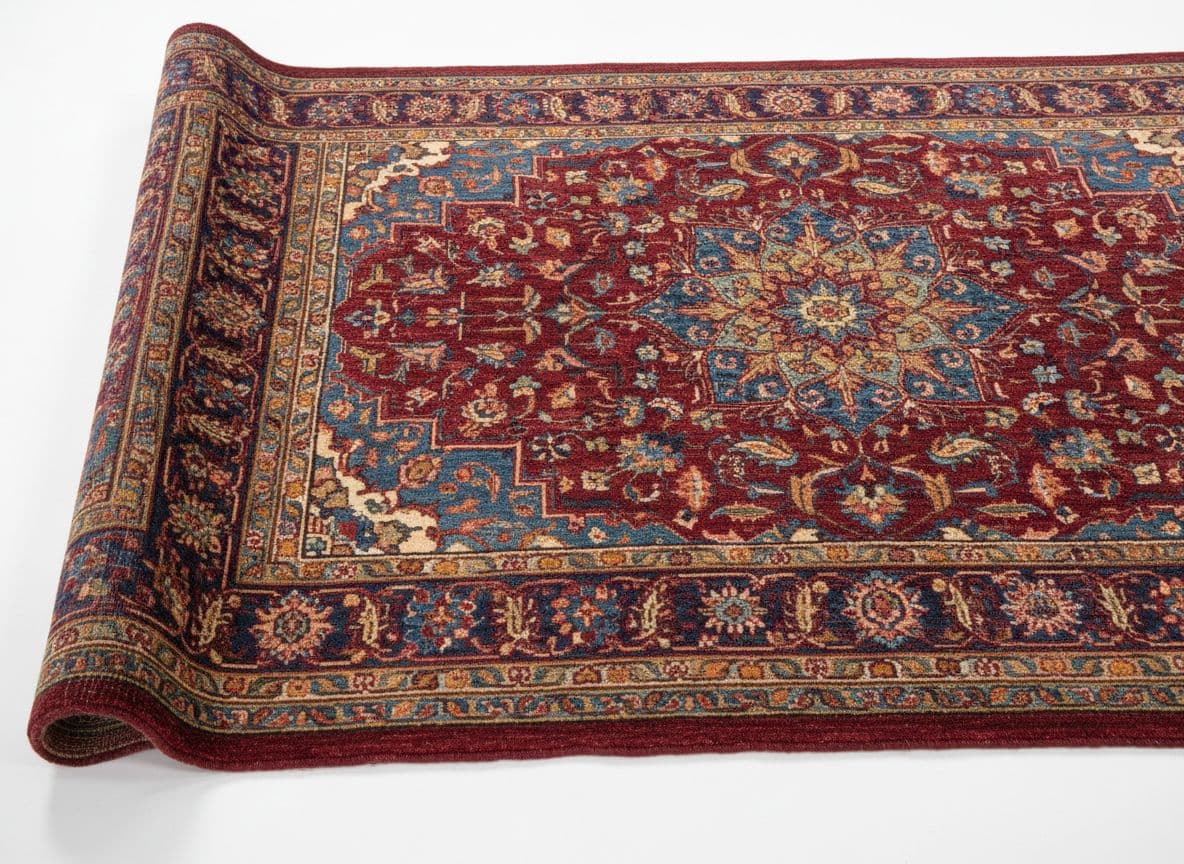
Persian and oriental rugs are frequently undervalued or overvalued by their owners. A genuine hand-knotted Persian Isfahan rug in excellent condition can be worth $3,000-$15,000, while a mass-produced machine-made imitation of the same design might be worth $200-$500. Many families own inherited rugs worth $5,000-$50,000 without realizing it. Or conversely, believe their rug is worth a fortune when it's actually a decent but common piece worth $500-$1,500. Professional rug appraisals cost $50-$200 per rug, and many dealers offer 'free appraisals' that conveniently value your rug at what they want to pay for it. The rug market has shifted significantly in recent years: traditional Persian rugs from Iran have appreciated due to import sanctions limiting new supply, while mass-produced rugs from India and China have flooded the market at lower price points. Silk rugs, tribal pieces, and antique rugs over 80 years old generally hold or increase in value, while newer machine-made rugs depreciate like furniture. Knowing exactly what you have. And what it's worth. Is essential before selling, insuring, or simply deciding how to care for your rug.
Key Factors That Affect Persian & Oriental Rugs Value
Understanding what drives the price of persian & oriental rugs helps you get the most accurate valuation.
Origin & Provenance
Where a rug was made is one of the strongest value indicators. Iranian (Persian) rugs from major weaving centers. Isfahan, Tabriz, Kashan, Nain, Qum.command the highest prices, typically $2,000-$30,000+ for room-size pieces. Turkish rugs from Hereke (especially silk) can exceed $10,000-$100,000. Tribal and village rugs from regions like the Caucasus, Kurdistan, and Baluchistan have a dedicated collector market. Indian and Chinese rugs are generally less valuable ($200-$3,000) unless they're antique or exceptionally crafted. Authenticated provenance to a specific workshop or master weaver can multiply value 3-10x.
Construction Method
Hand-knotted rugs are significantly more valuable than hand-tufted or machine-made rugs. A hand-knotted rug might have 100-1,000+ knots per square inch (KPSI), with higher knot density indicating finer craftsmanship and higher value. A 200 KPSI Tabriz is a solid rug worth $2,000-$5,000; a 500+ KPSI Isfahan or Nain is an exceptional piece worth $8,000-$25,000+. Hand-tufted rugs (made with a tufting gun, not individually knotted) are worth 80-90% less than hand-knotted equivalents. Machine-made rugs, regardless of appearance, are worth $100-$800 and are not true 'oriental' rugs.
Materials
The fiber composition directly affects value. Silk rugs are the most valuable. A fine silk Qum or Hereke rug can sell for $5,000-$100,000+. Wool-on-cotton is the most common traditional construction and commands strong prices for quality pieces. Wool-on-wool is typical of tribal and nomadic rugs and valued for its authenticity. Natural dyes (vegetable and insect-based) are worth 30-100% more than synthetic (aniline) dyes, as they produce richer colors that improve with age. Art silk (mercerized cotton or rayon marketed as silk) dramatically reduces value. A rug sold as silk that's actually art silk may be worth 90% less than claimed.
Age & Condition
Antique rugs (80+ years old) are generally more valuable than semi-antique (40-80 years) or modern pieces, assuming good condition. However, condition trumps age. A mint-condition 50-year-old rug may be worth more than a worn 150-year-old rug. Key condition factors include pile height (worn-through areas reduce value 20-50%), moth damage, stains, repairs (professional repairs maintain value better than amateur patches), edge and fringe condition, and color fading. Moderate, even wear can actually add character and value to antique pieces, while heavy localized wear is always detrimental.
Size & Design
Standard room sizes (8x10, 9x12, 10x14) are the most commercially desirable and command the highest per-square-foot prices. Unusual sizes (runners, very large pieces over 12x18, or very small pieces) can be harder to sell but may have collector appeal. Design complexity matters. Elaborate medallion designs, intricate all-over patterns, and pictorial rugs are generally more valuable than simple geometric patterns. However, collector preferences vary widely. Some collectors pay premium prices for minimalist tribal designs that others might overlook.
Tips for Valuing Persian & Oriental Rugs
Get the most accurate valuation by following these tips when photographing your persian & oriental rugs.
Photograph your rug in natural daylight on a flat surface, showing the full rug and close-ups of the weave, fringe, and any wear
Flip a corner and photograph the back. The back reveals knot structure, density, and construction method more clearly than the front
Never machine-wash, bleach, or use harsh chemicals on a hand-knotted rug. Improper cleaning can destroy thousands of dollars in value
If your rug has fringe, do not cut or trim it. Original fringe is part of the rug's structure and affects both authenticity and value
Persian & Oriental Rugs Market Insights
The Persian and oriental rug market has undergone significant changes. U.S. sanctions on Iranian imports (since 2019) have dramatically reduced the supply of new Persian rugs entering the American market, causing existing Persian rugs to appreciate 15-30% in value. The global market has shifted toward online sales, with platforms like LiveAuctioneers, Chairish, 1stDibs, and specialized rug auction houses facilitating transactions. Traditional rug dealers have seen declining foot traffic, creating opportunities for sellers who know their rug's value to negotiate from a position of strength. The collector market for antique tribal rugs (Kazak, Turkmen, Baluch) remains strong, while the decorative market for room-size Persian carpets has softened slightly due to changing interior design trends favoring contemporary aesthetics. Investment-grade rugs. Antique pieces in excellent condition from prestigious workshops. Continue to appreciate and are considered alternative assets alongside art and antiques. Insurance companies recommend professional appraisals every 3-5 years for rugs valued over $5,000.
Notable Persian & Oriental Rugs Values
Real-world examples of what specific persian & oriental rugs have sold for, so you can benchmark your own.
| Persian & Oriental Rug | Condition | Typical Value |
|---|---|---|
| Antique Tabriz Persian Carpet (19th century, room-size) | Authenticated | $8,000 - $40,000+ |
| Vintage Heriz Persian Rug (c. 1920s-1950s, 9x12 ft) | Good Used | $2,500 - $12,000 |
| Isfahan Hand-Knotted Silk-and-Wool Rug (20th century) | Used | $1,500 - $8,000 |
| Turkish Oushak Carpet (late 19th / early 20th century) | Authenticated | $3,000 - $20,000+ |
| Machine-Made Persian-Style Area Rug (modern, 8x10 ft) | Used | $50 - $400 |
| Qom (Qum) Pure Silk Persian Rug (20th century, small) | Good Used | $2,000 - $15,000 |
| Afghan Kilim Flatweave Rug (mid-20th century, runner size) | Used | $150 - $800 |
| Kashan Carpet (1920s-1940s, approx. 9x12 ft) | Good Used | $3,500 - $18,000 |
| Contemporary Indian Hand-Knotted Rug (Jaipur-style, 8x10 ft) | Used | $200 - $1,200 |
Based on major auction house records (Christie's, Sotheby's, Bonhams), eBay sold listings, and specialist rug dealer pricing guides.
Find Out What Your Persian & Oriental Rugs Are Worth
Upload a photo now and get a free AI-powered valuation in seconds. No sign-up required.
Persian & Oriental Rugs Valuation FAQ
How can I tell if my rug is hand-knotted or machine-made?
Flip the rug over and examine the back. A hand-knotted rug will have slight irregularities in the knotting pattern. No two rows are perfectly identical, and you can see individual knots. Machine-made rugs have perfectly uniform, repetitive patterns on the back with no variation. Hand-tufted rugs (a middle category) typically have a fabric backing glued or sewn to the bottom, hiding the construction. You can also perform the fold test: fold the rug back on itself and look at the base. Hand-knotted rugs show individual knots wrapped around the warp threads, while machine-made rugs show loops or a uniform grid. Finally, check the fringe: on hand-knotted rugs, the fringe is an extension of the warp threads (structural), while machine-made rugs often have fringe sewn or glued on separately.
Are all Persian rugs valuable?
No. While genuine hand-knotted Persian rugs from Iran are generally valuable, quality and value vary enormously. A simple, coarsely knotted (50-80 KPSI) Persian rug in average condition might be worth $300-$1,000, while a fine Isfahan or Nain with 400+ KPSI in excellent condition can be worth $10,000-$50,000+. Factors that make a Persian rug valuable include high knot density, silk content, natural dyes, age (antique pieces), excellent condition, and origin from a prestigious weaving center. Mass-produced Persian rugs made for the tourist market in the 1980s-2000s are the least valuable category, typically worth $200-$1,500 depending on size and condition.
How do I care for a valuable oriental rug?
Proper care preserves both beauty and value: (1) Vacuum regularly but avoid the fringe. Use a vacuum without a beater bar or set it to low pile height. (2) Rotate the rug 180 degrees every 6-12 months to ensure even wear and sun exposure. (3) Professional cleaning every 3-5 years by a rug specialist (not a standard carpet cleaner). expect to pay $3-$8 per square foot. (4) Address spills immediately by blotting (never rubbing) with a clean cloth and cold water. (5) Use rug pads underneath to prevent slipping, reduce wear, and allow air circulation. (6) Keep rugs out of direct sunlight to prevent fading. (7) Store rolled (never folded) in a climate-controlled environment with moth deterrents. Proper care can add decades of life to a rug and maintain its value for insurance and resale purposes.
Where is the best place to sell a valuable Persian rug?
For rugs worth $1,000-$5,000, online platforms like eBay, Chairish, and Facebook Marketplace reach large audiences. Include detailed photos of the front, back, close-ups of the weave, and measurements. For rugs worth $5,000-$25,000+, consider specialty auction houses (Material Culture, Skinner, Bonhams), consignment with reputable dealers, or platforms like 1stDibs. Auction houses typically charge 15-25% seller's commission but achieve strong prices for quality pieces. Local rug dealers will buy directly but typically offer 30-50% of retail value. Avoid consignment shops and estate sale companies for high-value rugs. They often lack expertise and undervalue fine pieces. For the highest return, get an independent appraisal ($50-$200) before approaching any buyer.
Does my rug's value increase with age?
Not automatically. Age adds value only when combined with quality, good condition, and collector demand. An antique (80+ year old) rug in good condition from a desirable origin will generally appreciate over time, often outpacing inflation. However, a mediocre rug that's old and worn is simply an old, worn rug. Age alone doesn't create value. The most reliable appreciators are: antique tribal and village rugs with natural dyes, fine city rugs from prestigious workshops, silk rugs in excellent condition, and rugs with documented provenance. Modern machine-made rugs and low-quality hand-knotted pieces depreciate like furniture regardless of age. The sweet spot for investment is semi-antique to antique (40-120 years old) hand-knotted rugs in excellent condition with natural dyes and good provenance.
Persian & Oriental Rugs Price Guides
Value anything, anytime
Unlimited valuations, saved history and full reports in the free app.