Last updated: September 2026
How Much Is My Pool Table Worth?
Whether you own a Brunswick, Olhausen, Diamond, Valley, TA Sports, or custom-built pool table, our AI analyzes the brand, style, size, and visible condition to provide an accurate market valuation. Get a realistic price before selling, moving, or deciding whether to keep your billiards table.
Get the free app for unlimited scans


Compare real prices
See what pool tables are listed for right now
Affiliate link: we earn a commission if you buy, at no extra cost to you.
What do you want to value?
Get the free app for unlimited scans
Why Knowing Your Pool Tables Value Matters
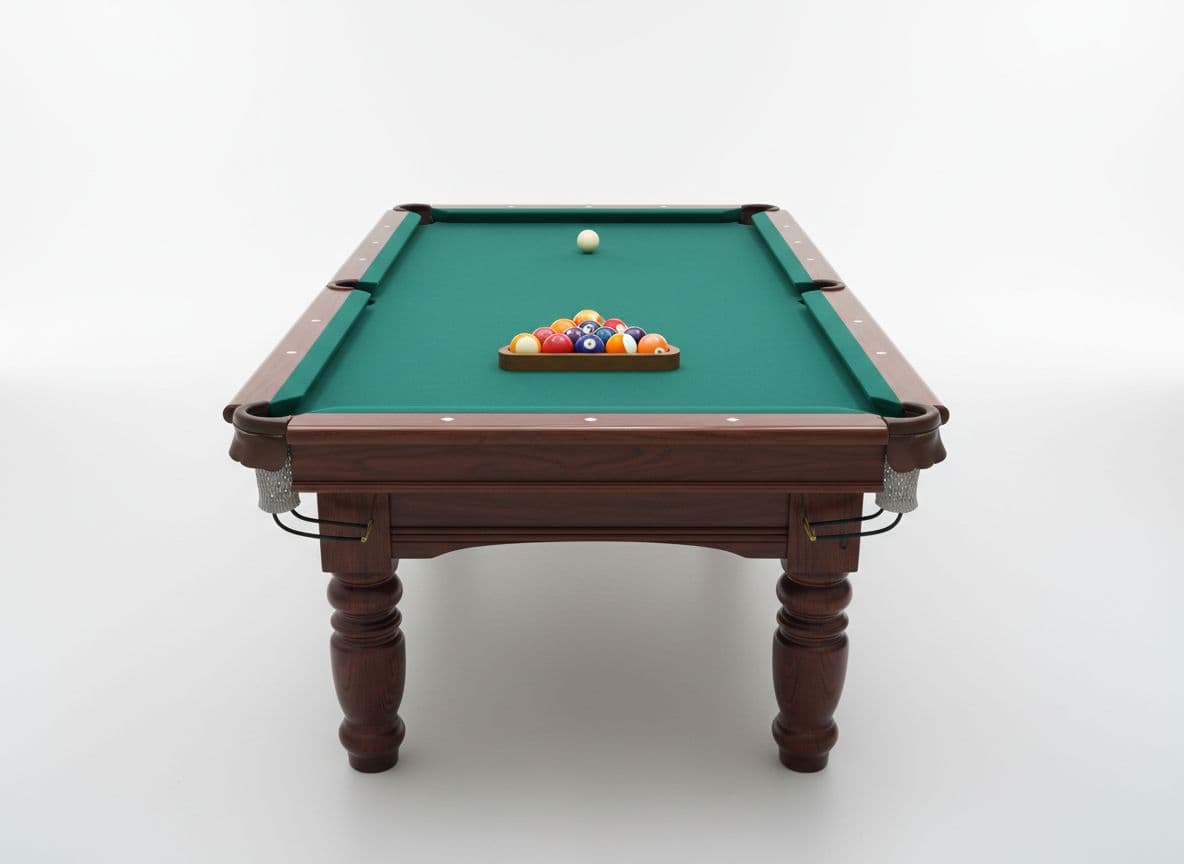
Pool tables are one of the most difficult household items to value and sell. They are expensive to buy new ($1,500-$15,000+), extremely heavy and expensive to move ($300-$800 for professional disassembly, transport, and reassembly), and have a surprisingly active but specialized resale market. Many people inherit pool tables, acquire homes with built-in game rooms, or simply want to reclaim space, without knowing what their table is worth. A quality Brunswick or Olhausen table can retain significant value for decades, while a cheap import might be worth less than the cost to move it. Knowing your pool table's value helps you decide whether selling is worthwhile, what price to ask, and whether to invest in professional moving or simply offer it free for pickup.
Key Factors That Affect Pool Tables Value
Understanding what drives the price of pool tables helps you get the most accurate valuation.
Brand & Manufacturer
Brand is the biggest value factor. Brunswick (especially Gold Crown and Centurion models) holds value exceptionally well and is the gold standard. Olhausen, Diamond (the preferred brand for professional tournaments), and Connelly are premium brands. Valley and coin-operated tables have a specific commercial market. Cheap imported tables from big-box stores have minimal resale value regardless of age or condition.
Size & Type
Standard sizes are 7-foot (bar size), 8-foot (home standard), and 9-foot (regulation/tournament). 9-foot tables are most valuable for serious players. 8-foot tables have the broadest market appeal. 7-foot tables are popular for bars and smaller game rooms. Snooker tables, carom tables, and specialty tables have niche but dedicated markets.
Slate Quality
The playing surface is critical. One-piece Italian slate is the best (found in premium tables). Three-piece 1-inch slate is standard for quality tables. Three-quarter inch slate is found in mid-range tables. Non-slate surfaces (MDF, slatron, permaslate) have almost no resale value. Serious players only buy slate tables. The slate itself does not wear out, making quality slate tables a lifetime purchase.
Condition & Felt
The felt (cloth) is the most visible condition indicator. Championship or Simonis cloth in good condition adds value, while stained, torn, or worn felt reduces it. Re-felting costs $250-$600 and many buyers plan for this expense. Bumper (rail) responsiveness is important. Dead bumpers need replacement ($200-$500). The wood finish, pocket condition, and structural integrity of the frame all affect value.
Accessories & Moving Logistics
Including accessories (cues, rack, balls, cue rack, bridge, cover) adds value. A complete accessory set is worth $100-$300. Importantly, pool table value is partly determined by the buyer's moving costs. Offering professional disassembly or flexible pickup terms can help you sell faster and at a better price. Some sellers include moving costs in the price to attract more buyers.
Tips for Valuing Pool Tables
Get the most accurate valuation by following these tips when photographing your pool tables.
Photograph the full table from above and from each side showing the overall design and felt condition
Include a close-up of any brand name plates, logos, or serial numbers on the table
Show the felt surface condition, including any stains, tears, or worn spots
Photograph any included accessories like cues, balls, rack, and wall-mounted cue holder
Pool Tables Market Insights
The pool table market is active but localized. Shipping a pool table is cost-prohibitive, so you are selling to buyers within a 50-100 mile radius. Facebook Marketplace and Craigslist are the primary selling platforms, as the local nature of the transaction suits these platforms well. The pandemic created a surge in home game room demand that boosted pool table prices, and while the frenzy has cooled, quality tables remain in demand. Brunswick Gold Crown models have a strong following and sell consistently. The coin-operated table market is separate and driven by bars and game rooms. Professional installation/moving services are essential. Never attempt to move a slate pool table yourself, as improper handling can crack the slate and destroy the table's value.
Notable Pool Tables Values
Real-world examples of what specific pool tables have sold for, so you can benchmark your own.
| Pool Table | Condition | Typical Value |
|---|---|---|
| Brunswick Gold Crown V (9-foot) | Used, Restored | $3,000 - $8,000 |
| Diamond Professional (9-foot) | Used | $4,000 - $7,500 |
| Olhausen Billiards Americana (8-foot) | Used | $1,200 - $2,800 |
| Brunswick Balke Collender Antique (pre-1950) | Antique, Restored | $5,000 - $20,000+ |
| Valley Bar Box Coin-Op (7-foot) | Used | $400 - $1,200 |
| Connelly Billiards 8-foot Home Table | Used | $800 - $2,000 |
| Brunswick Centennial (8-foot) | Used | $1,500 - $3,500 |
| Cheap Import / MDF Non-Slate Table | Used | $50 - $300 |
Based on eBay sold listings, Craigslist/Facebook Marketplace comps, and billiards dealer used-table pricing guides.
Find Out What Your Pool Tables Are Worth
Upload a photo now and get a free AI-powered valuation in seconds. No sign-up required.
Pool Tables Valuation FAQ
How much does it cost to move a pool table?
Professional pool table moving typically costs $300-$800 depending on distance, stairs, and table size. This includes disassembly at the origin, safe transport, and reassembly with leveling at the destination. Some movers charge extra for re-felting if the cloth is damaged during disassembly. Never attempt to move a slate pool table without professional help. The slate weighs 400-800+ pounds and can crack if mishandled, destroying the table's value.
Is my pool table worth more than the cost to move it?
This is the key question. Quality brand tables (Brunswick, Olhausen, Diamond) are almost always worth more than moving costs. A Brunswick Gold Crown is worth $1,500-$5,000+ depending on model and condition. However, cheap big-box store tables (sold new for $500-$800) are often worth less than the moving cost. If your table has MDF or non-slate playing surface, it may be better to offer it free for pickup rather than investing in professional moving.
Which pool tables hold their value best?
Brunswick Gold Crown models (especially II, III, IV, and V) are the best value holders in the pool table world, as they are the standard for professional tournaments and leagues. Diamond Pro-Am tables are equally valued in the professional market. Olhausen tables hold value well in the home market. Antique Brunswick and Balke-Collender tables from the late 1800s and early 1900s can be worth $2,000-$15,000+ depending on condition and model.
How do I know if my pool table has a slate playing surface?
Look under the table or feel the weight. Slate tables weigh 700-1,000+ pounds total. You can also tap the playing surface. Slate sounds solid and feels cold to the touch through the felt, while MDF sounds hollow and feels warmer. Check the manufacturer's specifications or look for model information on a nameplate. If you can slightly flex the playing surface by pressing down, it is not slate.
Do I need to re-felt the table before selling?
Not necessarily. If the felt is in decent condition (no tears, minimal stains), many buyers plan to re-felt after moving anyway since the cloth often does not survive disassembly. Offering a price that accounts for the felt condition is usually better than investing $300-$600 in new cloth that may be damaged during the buyer's move. However, if you are selling a premium table, having fresh Simonis or Championship cloth can justify a higher asking price and attract serious buyers.
Similar Valuations
Value anything, anytime
Unlimited valuations, saved history and full reports in the free app.