Last updated: September 2026
How Much Is My Sewing Machine Worth?
Whether you have an antique treadle Singer, a vintage Featherweight, a modern Bernina, or a computerized embroidery machine, our AI identifies the make, model, and condition to provide an accurate market valuation. From inherited machines to professional equipment, get a fair price before selling.
Get the free app for unlimited scans


Compare real prices
See what sewing machines are listed for right now
Affiliate link: we earn a commission if you buy, at no extra cost to you.
What do you want to value?
Get the free app for unlimited scans
Why Knowing Your Sewing Machines Value Matters
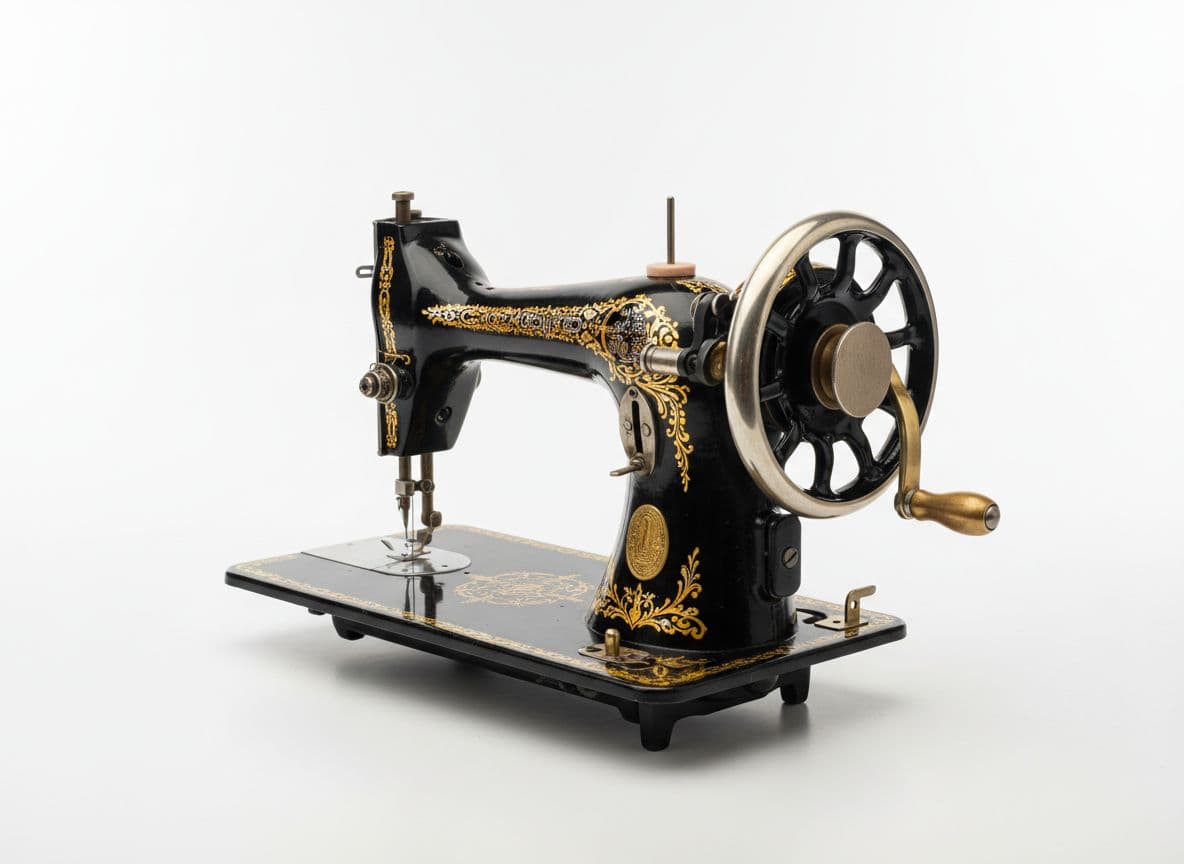
Sewing machines are among the most commonly inherited household items, and many people have no idea that some vintage machines are worth hundreds or even thousands of dollars while others are essentially worthless. The Singer Featherweight 221 is perhaps the most iconic example. These compact, portable machines from the 1930s-1960s regularly sell for $300-$800, with rare colors and early models fetching $1,000+. Meanwhile, a generic Singer from the 1970s might only be worth $30-$50. On the modern end, high-end machines from Bernina, Juki, Brother, and Janome can retain significant value, with professional embroidery machines holding 50-60% of their retail price. The challenge is distinguishing valuable machines from common ones. Serial numbers, model numbers, and specific features make all the difference. Many people either throw away valuable vintage machines or overprice common ones, both of which are easily avoided with accurate valuation.
Key Factors That Affect Sewing Machines Value
Understanding what drives the price of sewing machines helps you get the most accurate valuation.
Make & Model
Brand and model are the primary value drivers. Singer Featherweight 221 and 222K are the most sought-after vintage machines ($300-$1,500+). Bernina 830 Record and 1008 are popular modern-vintage models. New machines from Bernina, Juki, Brother Luminaire, and Janome Memory Craft lines hold value well. Industrial machines (Juki, Consew, Brother) retain value for professional users. Generic department store brands have minimal resale value.
Age & Vintage Status
Machines from the 1850s-1920s have antique value, especially ornate cast-iron treadle machines with intact cabinets. Mid-century machines (1930s-1960s) are valued for their all-metal construction and reliability. The 1970s-1990s era produced many forgettable machines with limited value. Modern computerized machines (2000s-present) hold value based on features and capabilities rather than age.
Condition & Functionality
A sewing machine that runs smoothly, stitches properly, and has clean tension systems is worth significantly more than a seized or non-functional machine. Original paint condition matters for vintage machines. Repainting reduces collector value. Decal condition on vintage Singers is important.complete bobbin cases, presser feet, and original accessories add value. Machines needing repair are worth 30-50% less than working examples.
Cabinet & Accessories
Vintage machines in original treadle cabinets or carrying cases are worth more than heads alone. A Singer Featherweight in its original case with all attachments is worth 30-50% more than a bare machine. Original manuals, bobbins, presser feet sets, and attachment boxes add value. For modern machines, the original hard case or cover, foot pedal, power cord, and accessory kit affect value.
Special Features & Rarity
Rare variations command premiums. Singer Featherweights in Centennial colors (tan, green), white Featherweights, and free-arm 222K models are especially valuable. Industrial machines with specific capabilities (walking foot, serger, coverstitch) hold value for professional users. Modern machines with embroidery capabilities, large hoop sizes, and built-in designs are worth more than basic mechanical models.
Tips for Valuing Sewing Machines
Get the most accurate valuation by following these tips when photographing your sewing machines.
Photograph the full machine showing the body, decals, and overall condition from the front and side
Include close-ups of the model number, serial number plate, and any brand markings or badges
Show the condition of the cabinet or carrying case if included. Original cases add significant value
Photograph any accessories, attachments, presser feet, bobbins, and manuals that come with the machine
Sewing Machines Market Insights
The sewing machine market is split between two distinct segments: vintage collectors and modern quilters/sewers. Vintage machines. Particularly Singer Featherweights, pre-war black Singers, and ornate Victorian-era treadle machines. Have a passionate collector base that keeps prices strong. The modern market is driven by quilting, embroidery, and garment sewing communities where high-end machines from Bernina, Baby Lock, and Juki command strong resale prices. The COVID-era sewing boom increased interest and prices across all segments. eBay remains the primary marketplace for vintage machines, while Facebook sewing groups, Craigslist, and local quilt shop bulletin boards work well for modern machines. Estate sales and thrift stores remain sources of undervalued vintage machines for knowledgeable buyers. If you have inherited sewing machines, checking the model against recent sold listings before donating or discarding could reveal a valuable piece.
Notable Sewing Machines Values
Real-world examples of what specific sewing machines have sold for, so you can benchmark your own.
| Sewing Machine | Condition | Typical Value |
|---|---|---|
| Singer Featherweight 221 (Black) | Working, Complete | $300 - $600 |
| Singer 201-2 (Cast Iron) | Restored | $150 - $400 |
| Singer Treadle 66 with Cabinet | Used, Intact | $100 - $350 |
| Bernina 830 Record | Working | $200 - $500 |
| Pfaff 130 Vintage Mechanical | Working | $100 - $300 |
| Singer 15-91 (Electric) | Used | $50 - $150 |
| Elna Supermatic (Grasshopper) | Working | $150 - $400 |
| Bernina 1630 Computerized | Working | $400 - $900 |
| Singer 301 Slant Needle | Working, Complete | $100 - $250 |
Based on eBay sold listings, Etsy vintage sales, and collector forum pricing guides for vintage sewing machines.
Find Out What Your Sewing Machines Are Worth
Upload a photo now and get a free AI-powered valuation in seconds. No sign-up required.
Sewing Machines Valuation FAQ
How do I identify my Singer sewing machine model?
Singer machines have a serial number stamped on a small plate, usually on the front or bottom of the machine. Visit the Singer serial number lookup database online to find the exact model and year of manufacture. The serial number cross-references to a specific model. For Featherweights, the serial number also indicates the factory (Elizabethport, NJ or Kilbowie, Scotland) and production year.
Are old Singer sewing machines worth anything?
Some are very valuable, others are not. Singer Featherweight 221 machines are worth $300-$1,500+. Pre-1900 ornate treadle machines in working condition with original cabinets can be worth $200-$500. However, millions of basic Singer machines from the 1960s-1980s were produced and most are worth only $20-$75. The model and condition determine everything. Not just the fact that it says 'Singer' on it.
Is it worth repairing an old sewing machine?
For valuable machines (Singer Featherweight, Bernina 830, quality industrial machines), professional servicing ($75-$150) is absolutely worth it and increases value substantially. For common machines worth $50-$100, expensive repairs may not make economic sense. Basic cleaning, oiling, and timing adjustments can often restore function without professional help. YouTube tutorials cover maintenance for most common vintage machines.
Where is the best place to sell a sewing machine?
For vintage Singer Featherweights and collector machines, eBay reaches the largest audience of collectors and consistently achieves the highest prices. For modern quilting and embroidery machines, Facebook sewing and quilting groups connect you directly with knowledgeable buyers. Local options include quilt shops with consignment programs, Craigslist, and Facebook Marketplace. Estate sales work well for complete setups with cabinets and accessories.
What makes a Singer Featherweight so valuable?
The Singer 221 Featherweight is prized for its compact size (weighing only 11 pounds), all-metal construction, smooth straight-stitch quality, and portability. Quilters particularly love them for reliable piecing. Production ended in 1968, creating a fixed supply. The Featherweight community is passionate and active, maintaining strong demand. Special editions, rare colors, and early serial numbers command the highest prices.
Similar Valuations
Value anything, anytime
Unlimited valuations, saved history and full reports in the free app.