Last updated: September 2026
How Much Is My Jewelry Worth?
From diamond engagement rings to vintage brooches, our AI analyzes your jewelry's visible characteristics to provide a market value estimate. Whether you're insuring, selling, or just curious, get a quick valuation without visiting a jeweler.
Get the free app for unlimited scans


Fashion
$5 – $100
Costume jewelry, silver, semi-precious
Fine
$100 – $2,000
Gold, diamonds under 0.5ct, branded
Luxury
$2,000 – $20,000
Tiffany, Cartier, 1ct+ diamonds
High-End
$20,000 – $500K+
Rare gems, estate pieces, Harry Winston
Compare real prices
See what jewelry are listed for right now
Affiliate link: we earn a commission if you buy, at no extra cost to you.
What do you want to value?
Get the free app for unlimited scans
Why Knowing Your Jewelry Value Matters
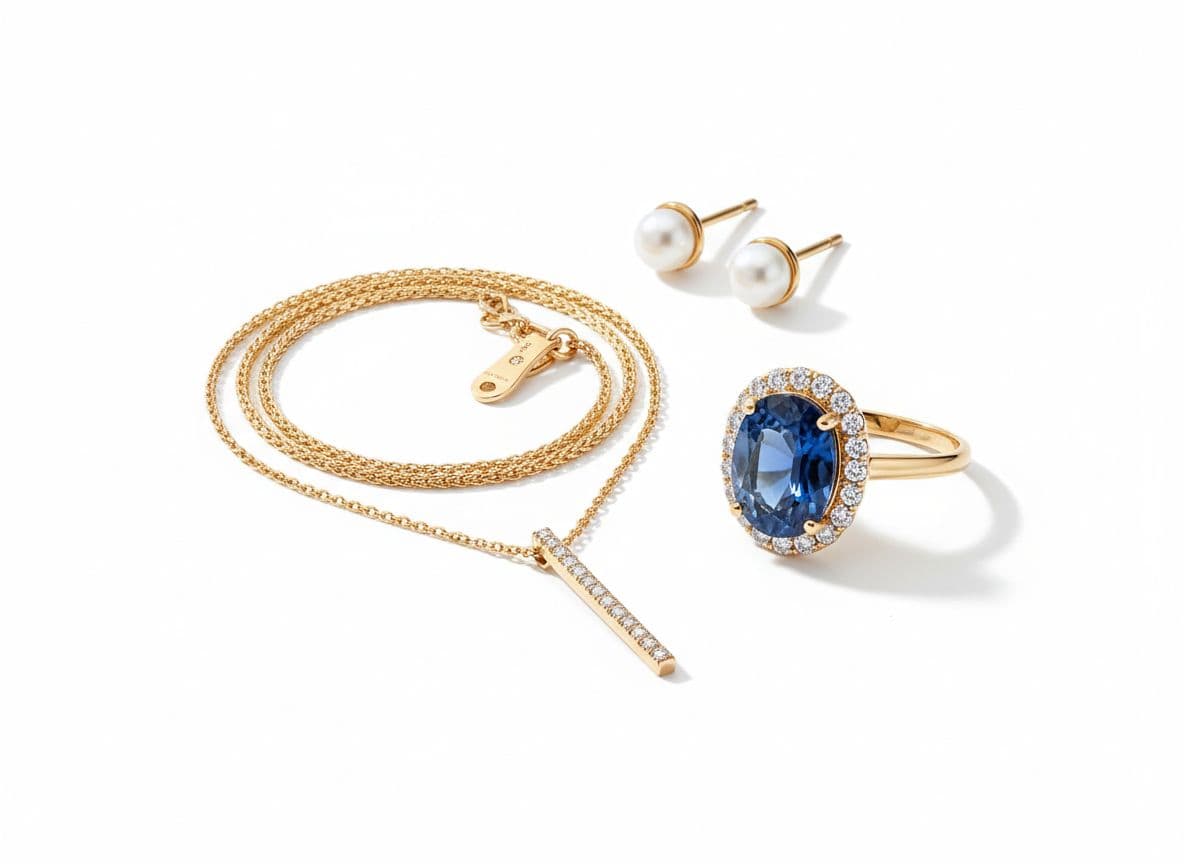
Jewelry is one of the most commonly owned valuables, yet most people have no idea what their pieces are actually worth on the resale market. Insurance appraisals often inflate values for coverage purposes, while pawn shops and 'we buy gold' stores offer a fraction of true market value. Understanding the difference between retail replacement value, insurance value, and actual resale value is crucial. Many people discover that their grandmother's vintage ring or their estate jewelry is worth far more than expected - or unfortunately, far less. A quick AI valuation gives you a realistic starting point so you can make informed decisions.
Key Factors That Affect Jewelry Value
Understanding what drives the price of jewelry helps you get the most accurate valuation.
Metal Type & Weight
The base value of any jewelry starts with its metal content. 24K gold is pure, 18K is 75% gold, 14K is 58.3%, and 10K is 41.7%. Platinum and palladium are also precious metals. Heavier pieces contain more metal and have higher base values. Current gold and platinum spot prices directly affect jewelry values.
Gemstones & Diamonds
Diamonds are graded on the 4 Cs: Carat, Cut, Color, and Clarity. A 1-carat diamond can range from $2,000 to $20,000+ depending on these factors. Colored gemstones like rubies, sapphires, and emeralds are valued by color intensity, origin, and treatment status. Lab-created stones are worth significantly less than natural.
Brand & Designer
Signed pieces from Tiffany & Co., Cartier, Van Cleef & Arpels, Bulgari, and other luxury houses command 2-10x premiums over comparable unsigned pieces. Even lesser-known but respected designers like David Yurman, John Hardy, and Lagos carry meaningful brand premiums in the resale market.
Age & Period
Antique jewelry (100+ years), Art Deco (1920s-30s), Art Nouveau (1890-1910), and Retro (1940s) periods all have dedicated collectors. Victorian-era pieces, Georgian jewelry, and signed estate pieces from specific periods can be worth far more than their material value alone.
Craftsmanship & Condition
Hand-crafted pieces, intricate settings, and unique designs add value beyond materials. The condition of prongs, clasps, and settings matters. Missing stones, worn prongs, and damaged settings reduce value but are often repairable. Original patina on antique pieces is generally preferred over polishing.
Diamond-Specific Tools
For stones and diamond jewelry, these free guides go deeper than a general estimate:
Tips for Valuing Jewelry
Get the most accurate valuation by following these tips when photographing your jewelry.
Photograph the piece on a plain, dark background for best contrast
Include close-ups of any gemstones, hallmarks, or maker's marks
Show the piece from multiple angles if possible
If there are any stamps (14K, 925, etc.), make sure they're visible
Jewelry Market Insights
The jewelry resale market has become more accessible through online platforms like The RealReal, Worthy, and specialized auction houses. Lab-grown diamonds have disrupted the market, causing natural diamond resale values to soften in the engagement ring category. However, colored gemstones, especially unheated Burmese rubies and Kashmir sapphires, continue to set auction records. Vintage and estate jewelry is experiencing strong demand from younger buyers who prefer unique, sustainable pieces over new mass-produced jewelry. Gold prices near historic highs mean that even simple gold chains and bangles have meaningful melt value.
Notable Jewelry Values
Real-world examples of what specific jewelry have sold for, so you can benchmark your own.
| Jewelry | Condition | Typical Value |
|---|---|---|
| 1ct round diamond ring (G/VS, GIA) | Pre-owned | $3,000 – $6,000 |
| 14k gold chain (per gram) | Scrap/used | $35 – $50 per gram |
| Tiffany & Co. sterling silver piece | Pre-owned | $60 – $400 |
| Cartier Love bracelet (18k) | Pre-owned, with papers | $4,500 – $7,500 |
| Victorian/antique gold brooch | Original | $150 – $1,500 |
| Costume / fashion jewelry | Used | $5 – $40 |
| Natural sapphire/ruby (untreated, certified) | Loose stone | $500 – $10,000+ per ct |
Based on resale comps and current precious-metal spot prices. Gold/diamond resale runs well under retail.
Find Out What Your Jewelry Are Worth
Upload a photo now and get a free AI-powered valuation in seconds. No sign-up required.
Jewelry Valuation FAQ
Can AI accurately value jewelry?
Our AI provides solid estimates based on visible characteristics like metal type, gemstone size, design complexity, and brand indicators. For precise gemstone grading (clarity, color grade), a physical appraisal is recommended for high-value pieces.
How do I know if my gold jewelry is real?
Look for hallmarks stamped on the piece: 10K, 14K, 18K, 24K for gold, 925 for sterling silver, PT950 for platinum. Our AI can often identify the metal type from the photo and factor it into the valuation.
What jewelry is worth the most?
Value depends on materials (gold, platinum, precious gemstones), brand (Tiffany, Cartier, Van Cleef), age (antique pieces), craftsmanship, and rarity. Signed pieces from renowned designers command significant premiums.
What's the difference between appraisal value and resale value?
Appraisal value (for insurance) is typically the retail replacement cost - what you'd pay to buy a similar new piece. Resale value is what a buyer will actually pay, which is typically 30-70% of retail for diamond jewelry and varies for gold based on weight and spot price. Our AI focuses on realistic market/resale values.
Is vintage costume jewelry worth anything?
Yes! Signed costume jewelry from makers like Miriam Haskell, Eisenberg, Trifari, and Chanel can be worth $50-$500+. Bakelite jewelry from the 1930s-40s is also collectible. Even unsigned pieces with exceptional craftsmanship or from notable periods can have value to collectors.
Jewelry Guides & Articles
March 15, 2026
How to Tell If Gold Is Real: 10 Simple Tests at Home
March 8, 2026
How to Tell If a Diamond Is Real: 8 Easy Home Tests
February 28, 2026
How to Tell If Silver Is Real: 7 Reliable Testing Methods
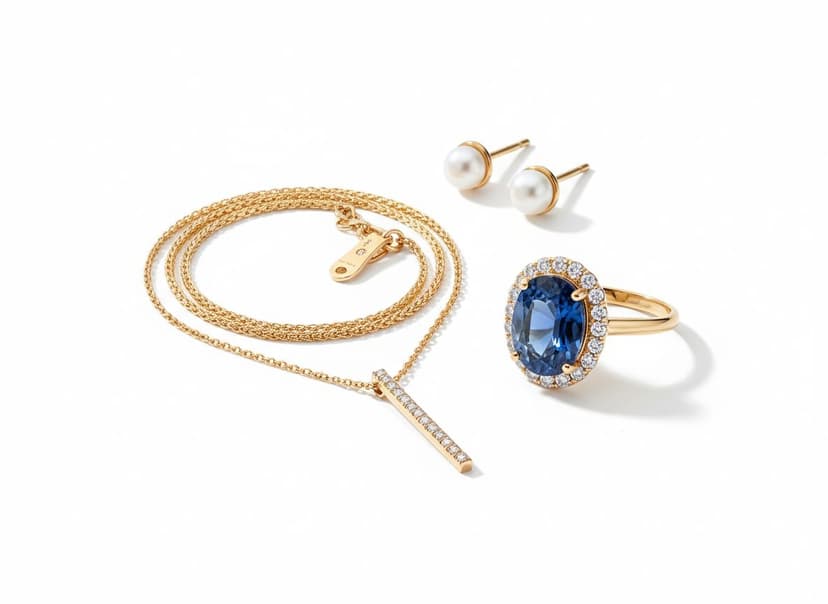
January 14, 2026
How to Tell If Pearls Are Real: 7 Simple Tests
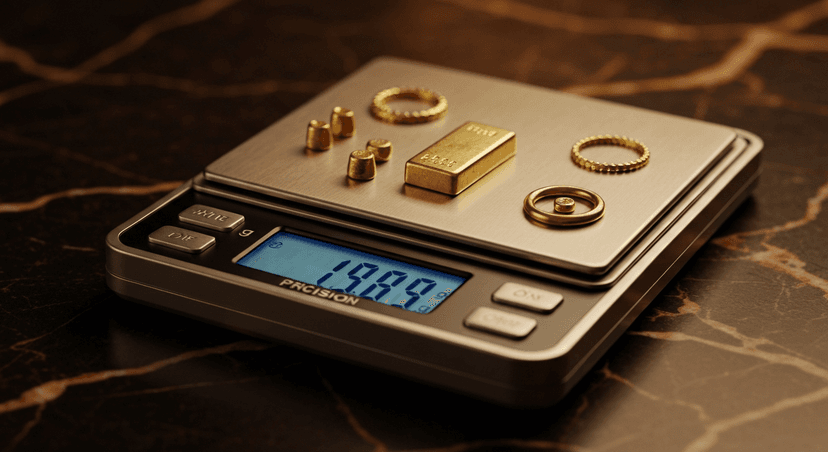
March 23, 2026
How Much Is Gold Worth Per Gram? Price Guide & Calculator
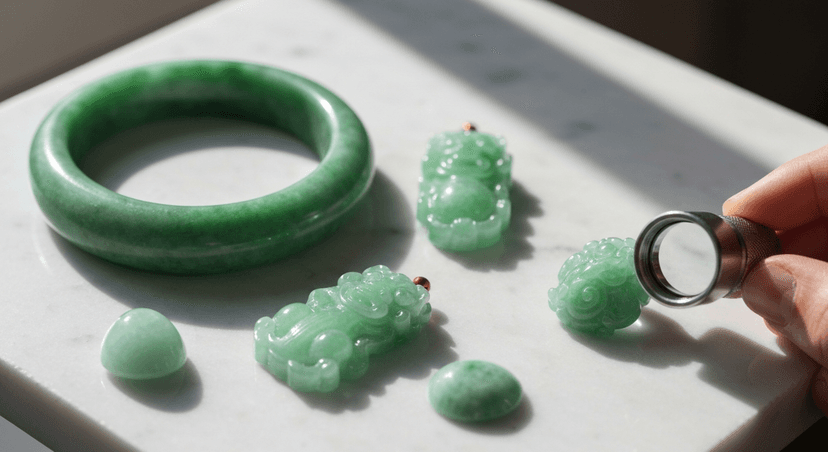
March 23, 2026
How to Tell If Jade Is Real: 8 Simple Tests at Home
Value anything, anytime
Unlimited valuations, saved history and full reports in the free app.