February 28, 2026 · Updated March 2026
How to Tell If Silver Is Real: 7 Reliable Testing Methods
Why Silver Authentication Matters
With silver prices around $25 per troy ounce in early 2026, genuine silver items can have significant value. A single sterling silver flatware set can be worth $500 to $2,000 or more in melt value alone, and antique silver pieces can command premiums well beyond their metal content. But the market is full of silver-plated items, nickel silver (which contains no silver at all), and outright fakes.
Understanding how to test silver is important whether you are evaluating inherited silverware, shopping at estate sales, or checking silver coins for authenticity. The seven methods below will help you separate real silver from imposters.
Understanding Silver Purity
Before testing, know the common types of silver:
| Type | Silver Content | Common Marks | Typical Items |
|---|---|---|---|
| Fine Silver | 99.9% | .999, "Fine Silver" | Bullion bars and rounds |
| Sterling Silver | 92.5% | .925, "Sterling," lion passant (UK) | Jewelry, flatware, tea sets |
| Coin Silver | 90% | .900 | Pre-1965 U.S. coins, some old flatware |
| European Silver | 80–83.5% | .800, .835 | Continental European items |
| Silver Plated | Thin coating | "EP," "EPNS," "Silver Plate," "A1" | Flatware, serving pieces, trays |
| Nickel Silver | 0% | "Nickel Silver," "German Silver," "NS" | Cheap flatware, decorative items |
The 7 Testing Methods
Test 1: The Hallmark and Stamp Check
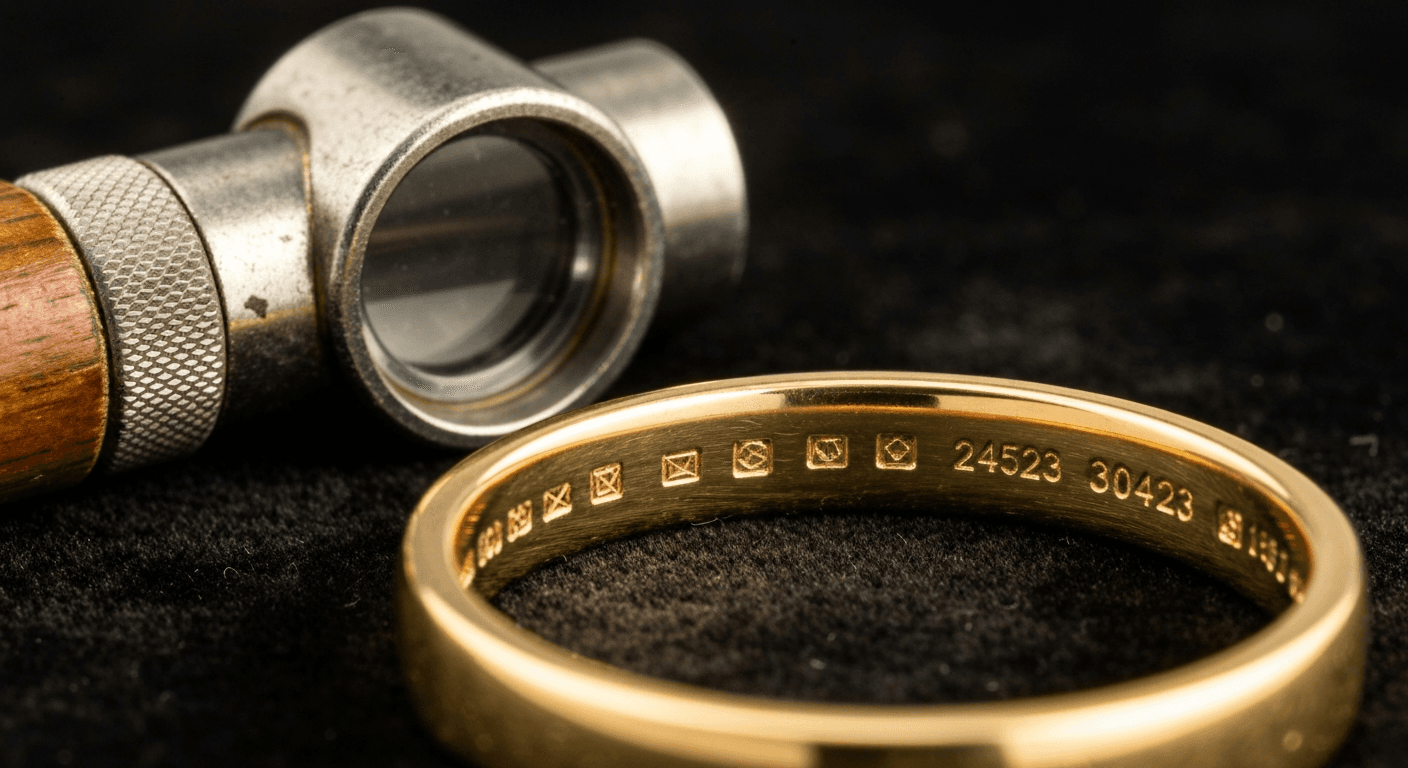
The first and easiest step is to look for hallmarks. Use a magnifying glass or jeweler's loupe (10x) to inspect the item for stamps:
- "925" or "Sterling". This indicates 92.5% pure silver (sterling silver). This is the most common mark on American and modern silver jewelry and flatware.
- "900" or "Coin". 90% silver, found on some older American pieces.
- Lion Passant (a walking lion). The traditional British hallmark for sterling silver, used since the 14th century.
- ".800" or ".835". Continental European silver purities.
- "EP," "EPNS," or "Silver Plate". Electroplated silver over a base metal. These items contain very little actual silver.
- "Nickel Silver" or "German Silver". Contains zero silver. This is an alloy of copper, zinc, and nickel that mimics silver's appearance.
Where to look: On flatware, check the back of the handle near the tip. On jewelry, check inside rings, on clasps, and on the back of pendants. On serving pieces, check the bottom.
Test 2: The Magnet Test
Silver is not magnetic (technically, it is very slightly diamagnetic, but this is imperceptible). Hold a strong neodymium magnet against your silver item. If the item is attracted to the magnet and sticks firmly, it is not silver. It is likely made of iron, steel, or nickel with a silver coating.
For silver coins, try the "slide test": tilt the neodymium magnet at a 45-degree angle and place a silver coin on it. A genuine silver coin will slide slowly down the magnet (due to Lenz's law and eddy currents). A non-silver coin will either stick or slide quickly.
Limitations: Non-magnetic metals like copper and brass also pass this test. The magnet test only rules out ferromagnetic fakes.
Test 3: The Ice Test
Silver has the highest thermal conductivity of any metal. Higher even than copper or gold. Place a small ice cube on the silver item and another ice cube on a similar-sized piece of stainless steel or glass for comparison. The ice on the silver should melt noticeably faster because the silver rapidly conducts heat from the surrounding air into the ice.
This test works particularly well with silver coins and flat silver items like trays and plates.
Limitations: Copper also has high thermal conductivity and can give similar results. This test is best used as a supplementary check.
Test 4: The Bleach Test
Silver tarnishes rapidly when exposed to bleach (sodium hypochlorite). Place a small drop of common household bleach on an inconspicuous area of the item. Genuine silver will immediately start to darken or turn black at the contact point. Stainless steel, nickel silver, and most plated items will not react the same way.
Rinse the item thoroughly with water after testing, and use a silver polish cloth to remove the tarnish spot if desired.
Limitations: This test can leave a visible tarnish mark, so test in a hidden area. Some silver-plated items may also tarnish at the surface, giving a false positive if the plating is thick enough.
Test 5: The Ring Test
Silver produces a distinctive high-pitched, clear ringing sound when struck. This test works best with coins. Hold a silver coin on the tip of your finger (balanced on the fingernail) and tap it gently with another coin. A genuine silver coin will produce a pleasant, sustained ringing tone that lasts 1 to 2 seconds. A clad coin or base metal coin will produce a dull, flat "thunk" with no ring.
Compare the sound of a known silver coin (pre-1965 U.S. quarter or half dollar) with the coin you are testing. The difference is unmistakable once you have heard it.
Test 6: The Acid Test
Silver testing acid kits are available for $10 to $25 and provide a reliable chemical test. The kit typically includes testing acid and a black testing stone:
- Scratch the item on the testing stone to leave a deposit
- Apply a drop of the silver testing acid to the deposit
- Observe the color: bright red indicates fine silver (.999), dark red indicates sterling (.925), brown indicates 80% silver, green indicates base metal
Limitations: This test requires purchasing supplies and will leave a small scratch on the item. Handle the acid carefully. It is corrosive.
Test 7: The Specific Gravity Test
Silver has a specific gravity of 10.49 (fine silver) or about 10.2 to 10.4 for sterling. You can test this with a precise scale and water:
- Weigh the item in air (W_air)
- Weigh the item suspended in water (W_water). Using a thin thread or wire attached to the scale
- Calculate: Specific Gravity = W_air / (W_air - W_water)
A result near 10.3 to 10.5 strongly suggests the item is genuine silver. Lead (11.3) is slightly heavier, and copper (8.9) is lighter.
Limitations: Hollow items or items with non-metallic components will give inaccurate results. This test requires a scale accurate to at least 0.1 grams.
How to Check Silverware Specifically
When evaluating a flatware set or silverware collection, follow these additional steps:
- Check every piece. Sometimes sterling pieces get mixed with plated pieces in a set. Check each knife, fork, and spoon individually.
- Look at the weight. Sterling silver flatware is substantially heavier than plated. A sterling dinner fork typically weighs 40 to 60 grams, while a plated fork weighs 30 to 40 grams.
- Examine knife blades. Even in sterling sets, knife blades are almost always stainless steel. Only the handle is silver. Check the handle for the "Sterling" or "925" stamp.
- Research the maker's mark. Sterling flatware from major makers like Gorham, Reed & Barton, Tiffany, Wallace, and International Silver can have collector value above melt.
What Is Your Silver Worth?
Once you have confirmed that your silver is genuine, here are approximate values at $25/oz silver:
| Item | Typical Weight | Approximate Melt Value |
|---|---|---|
| Sterling teaspoon | 25–35g | $18–$26 |
| Sterling dinner fork | 40–60g | $30–$45 |
| Sterling serving spoon | 60–90g | $45–$67 |
| Pre-1965 quarter | 6.25g (0.1808 oz Ag) | $4.50 |
| Pre-1965 half dollar | 12.5g (0.3617 oz Ag) | $9.00 |
| 1 oz silver round | 31.1g | $25.00 |
Remember: antique silver, designer pieces, and rare patterns can be worth significantly more than melt value. Always research the specific pattern and maker before selling for scrap.
Think you might have valuable silver items? Upload a photo to our free AI valuation tool and get an instant estimate.

Shop & Compare Prices
See current listings and recently sold items on eBay