Last updated: September 2026
How Much Is My Gold & Silver Worth?
Gold and silver values fluctuate daily with market prices. Our AI identifies your precious metal items and estimates their melt value plus any numismatic or collector premium. Whether it's gold coins, silver bars, or scrap jewelry, know its worth.
Get the free app for unlimited scans


Small
$50 – $500
Scrap jewelry, single coins, small bars
Medium
$500 – $5,000
1-5 oz gold, silver collections
Large
$5,000 – $50,000
5-20 oz gold bars, rare coins
Major
$50,000 – $500K+
Kilo bars, large collections, rare bullion
Compare real prices
See what gold & silver are listed for right now
Affiliate link: we earn a commission if you buy, at no extra cost to you.
What do you want to value?
Get the free app for unlimited scans
Why Knowing Your Gold & Silver Value Matters
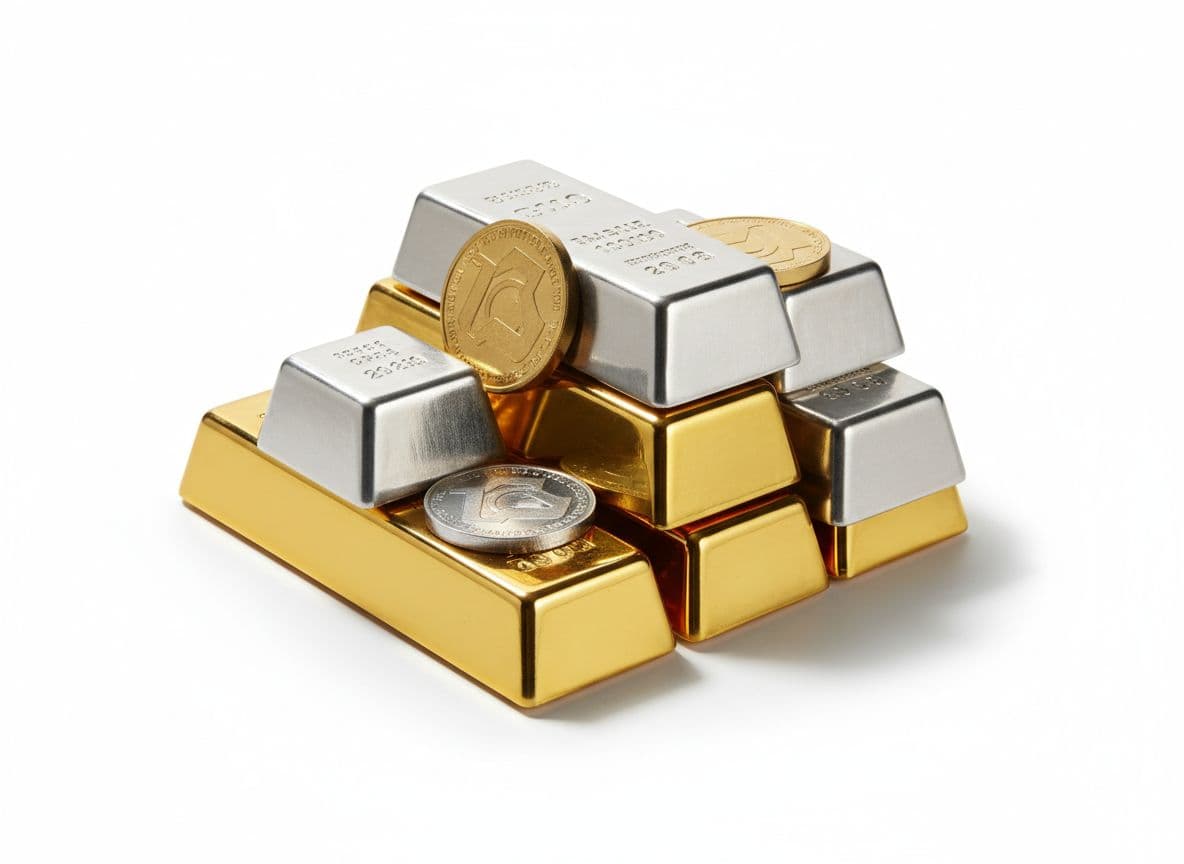
Gold and silver are the original stores of value, and with precious metal prices near historic highs, your items may be worth more than you think. A simple 14K gold chain could be worth $200-$500+ just in melt value alone. Pre-1965 US silver coins in your change jar contain 90% silver worth many times their face value. Gold and silver prices fluctuate daily, so the same item can be worth meaningfully more or less from week to week. Whether you're looking to sell inherited gold jewelry, cash in on silver coins, or evaluate a precious metals investment, knowing the current value based on today's spot prices and any collector premium is essential to getting a fair deal.
Key Factors That Affect Gold & Silver Value
Understanding what drives the price of gold & silver helps you get the most accurate valuation.
Metal Type & Purity
Gold purity ranges from 10K (41.7% gold) to 24K (99.9% gold). Silver items are typically sterling (92.5%) or fine silver (99.9%). Platinum is valued separately and often higher than gold per ounce. The purity directly determines the melt value calculation. Hallmarks and stamps indicate purity but should be verified.
Weight
Precious metals are valued by weight, typically in troy ounces (31.1 grams) or pennyweights (1.555 grams). Heavier items are worth proportionally more in melt value. Even small items like earrings and thin chains have measurable gold content worth selling.
Current Spot Price
Gold, silver, and platinum prices change throughout each trading day based on global markets. The 'spot price' is the current market price per troy ounce. Buyers typically pay a percentage below spot for scrap and a premium above spot for coins and bars. Our AI uses current market data.
Form & Collectibility
Government-issued coins (American Eagle, Canadian Maple Leaf, Krugerrand) carry premiums above melt value due to guaranteed purity and collector demand. Bars from recognized refiners (PAMP, Valcambi, Johnson Matthey) also carry premiums. Scrap jewelry and generic items sell closer to melt value.
Numismatic Premium
Rare gold and silver coins can be worth many times their melt value based on rarity, condition, and collector demand. A common gold American Eagle is worth spot plus 5-10%, but a rare date Pre-1933 gold coin could be worth 10-100x its melt value. Knowing whether your coin has numismatic value is crucial before selling for melt.
Tips for Valuing Gold & Silver
Get the most accurate valuation by following these tips when photographing your gold & silver.
Show any hallmarks, karat stamps, or purity marks clearly
Photograph coins showing the date and denomination
For bars and rounds, show the weight and purity markings
Include any mint marks or certification numbers
Gold & Silver Market Insights
Gold and silver have seen significant price appreciation, with gold reaching all-time highs driven by central bank buying, inflation concerns, and geopolitical uncertainty. Silver has also appreciated but remains volatile. This makes it an excellent time to evaluate your precious metals holdings. The market is served by local coin shops, online dealers (APMEX, JM Bullion, SD Bullion), and precious metals exchanges. For selling scrap gold, compare offers from multiple buyers - prices vary significantly. 'We Buy Gold' storefront shops typically offer the worst rates (50-70% of melt), while online refiners and competitive local dealers pay 85-95% of melt value.
Notable Gold & Silver Values
Real-world examples of what specific gold & silver have sold for, so you can benchmark your own.
| Gold & Silver | Condition | Typical Value |
|---|---|---|
| 1 oz American Gold Eagle Coin | Uncirculated | $2,400 - $2,700 |
| 1 oz American Silver Eagle Coin | Uncirculated | $30 - $45 |
| 1 oz Gold Bar (PAMP Suisse or similar) | Sealed/Assay | $2,400 - $2,650 |
| 90% Silver US Dime (pre-1965) | Circulated | $2 - $4 |
| Sterling Silver Flatware Set (12-piece) | Used | $80 - $400 |
| 1 oz Canadian Silver Maple Leaf Coin | Uncirculated | $28 - $42 |
| 18k Gold Chain Necklace (10-15g) | Used | $450 - $750 |
| 1878-S Morgan Silver Dollar | Circulated (VF-XF) | $35 - $120 |
| 10 oz Silver Bar (generic or NWT Mint) | Sealed | $280 - $340 |
Based on current gold/silver spot prices and eBay sold listings, APMEX retail data, and NGC/PCGS price guides.
Find Out What Your Gold & Silver Are Worth
Upload a photo now and get a free AI-powered valuation in seconds. No sign-up required.
Gold & Silver Valuation FAQ
How is gold and silver valued?
Base value is determined by weight and purity using current spot prices. Numismatic coins, limited mintage items, and branded products carry a premium above melt value. Our AI factors in both melt value and collector premium.
What's the difference between melt value and collector value?
Melt value is the raw precious metal content at current spot prices. Collector value adds premiums for rarity, condition, historical significance, and demand. A rare gold coin might be worth many times its melt value.
Is it better to sell gold as jewelry or scrap?
Branded or designer jewelry (Tiffany, Cartier) should be sold as jewelry. Generic gold pieces are often worth more as scrap/melt unless they're antique or have gemstones. Our AI helps determine which category your item falls into.
How do I test if my gold is real?
Look for hallmarks (10K, 14K, 18K, 24K, 375, 585, 750, 999). Use a magnet - real gold is not magnetic (but neither are some fakes). Professional testing includes acid testing, electronic testing, and XRF analysis. Our AI can identify common gold items and hallmarks from photos. For high-value items, always verify with a professional before selling.
Are pre-1965 US coins really worth more than face value?
Yes, significantly. US dimes, quarters, half dollars, and dollars minted before 1965 contain 90% silver. At current silver prices, a pre-1965 quarter has a melt value of several times its 25-cent face value. Half dollars from 1965-1970 contain 40% silver and also carry a premium. Check your change jars and inherited coin collections - silver coins are easy to overlook.
Gold & Silver Price Guides
Gold & Silver Guides & Articles
March 15, 2026
How to Tell If Gold Is Real: 10 Simple Tests at Home
February 28, 2026
How to Tell If Silver Is Real: 7 Reliable Testing Methods
March 23, 2026
How Much Is Gold Worth Per Gram? Price Guide & Calculator
March 23, 2026
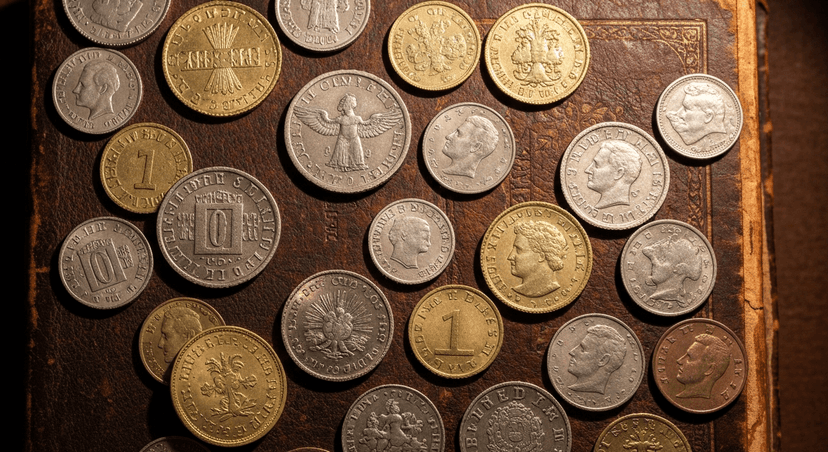
Most Valuable Foreign Coins: World Coins Worth Serious Money
March 23, 2026
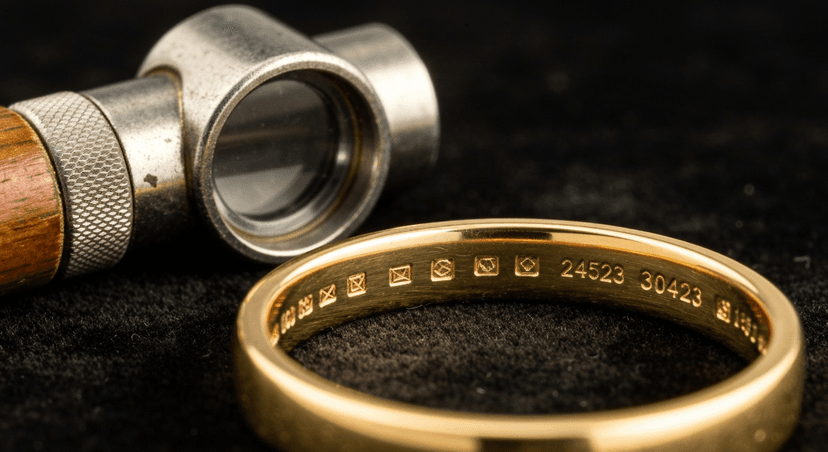
How to Identify Jewelry Hallmarks: Complete Guide to Stamps & Markings
March 23, 2026
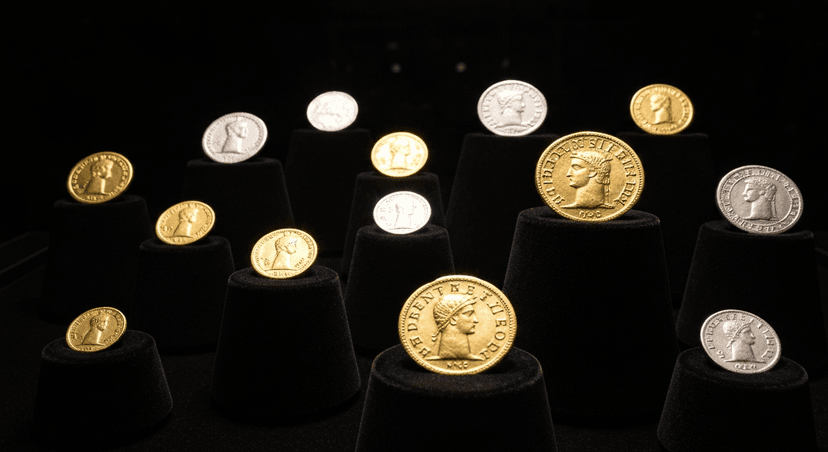
Most Valuable Coins in the World: 15 Coins Worth Millions
Value anything, anytime
Unlimited valuations, saved history and full reports in the free app.