Last updated: September 2026
How Much Is Your Class Ring Worth?
Whether you have a Jostens, Balfour, Herff Jones, or ArtCarved class ring from high school, college, or a military academy, our AI analyzes the metal content, gemstones, brand, and condition to provide an accurate valuation. Selling, pawning, or just curious? Know what your class ring is worth.
Get the free app for unlimited scans


Compare real prices
See what class rings are listed for right now
Affiliate link: we earn a commission if you buy, at no extra cost to you.
What do you want to value?
Get the free app for unlimited scans
Why Knowing Your Class Rings Value Matters
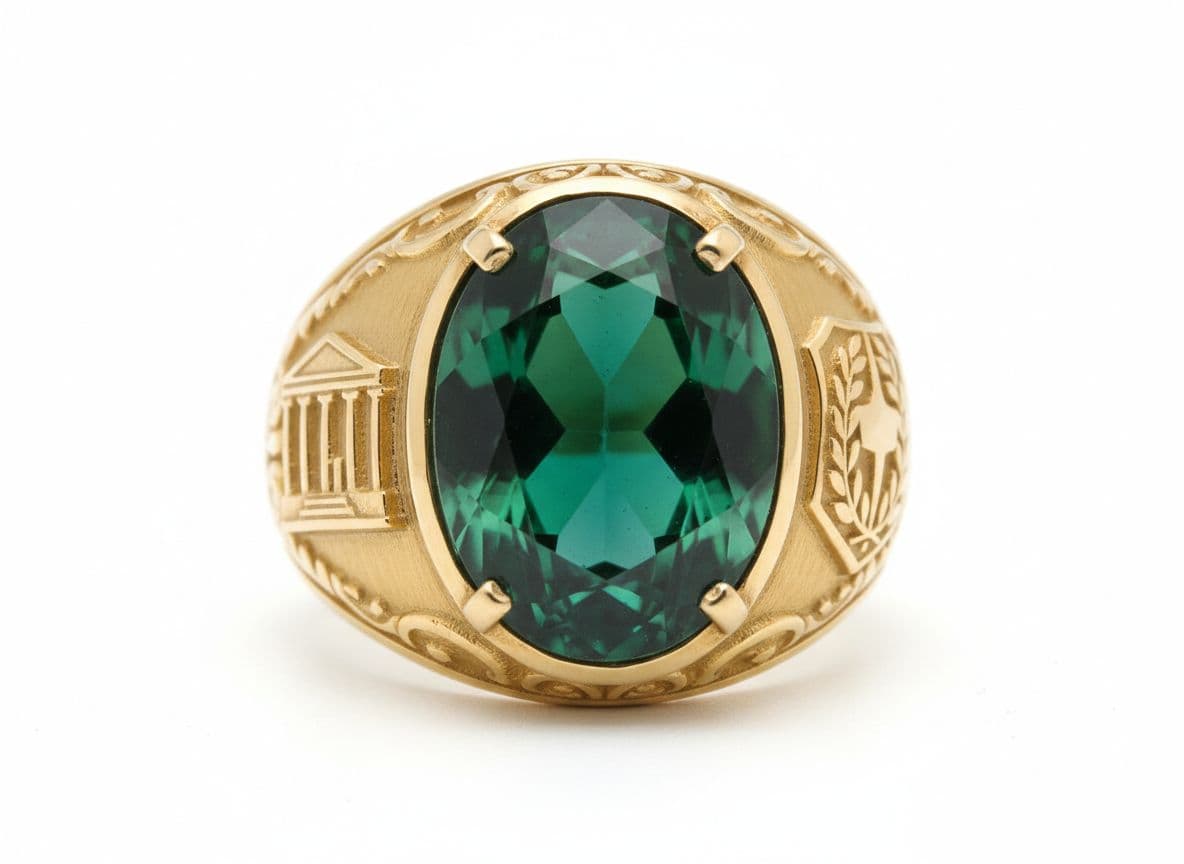
Class rings are one of the most commonly owned pieces of fine jewelry in America. Over 70% of high school graduates buy one. Most are made of 10K or 14K gold, which gives them inherent precious metal value regardless of sentimental attachment. A typical men's 10K gold class ring weighs 15-25 grams, containing $300-$600 in gold at current prices. Women's rings are lighter (5-12 grams) and contain $100-$300 in gold. However, the resale market treats most class rings as scrap gold because personalized engravings, school names, and specific graduation years make them undesirable for other wearers. Notable exceptions include rings from prestigious universities (Harvard, Yale, West Point), championship rings, and vintage rings from the early 1900s. Many people inherit class rings or find them at estate sales and are surprised to learn they contain significant gold value. Understanding whether your ring is worth more as jewelry or as scrap gold is the key valuation question.
Key Factors That Affect Class Rings Value
Understanding what drives the price of class rings helps you get the most accurate valuation.
Metal Type & Weight
Gold content is the primary value driver for most class rings. 14K gold rings are worth more per gram than 10K. Men's rings are heavier and more valuable. A 20-gram men's 10K ring contains about $250-$450 in gold value. Some older rings are 18K or even 22K gold. White gold and rose gold variants exist. Newer budget rings may be sterling silver ($20-$50 scrap value), Lustrium, Celebrium, or other alloy metals with minimal scrap value. Always check the stamp inside the band.
School & Prestige
Rings from Ivy League schools, military academies (West Point, Annapolis, Air Force Academy), and prestigious universities can sell for above scrap value to collectors and alumni. Texas A&M 'Aggie Rings' have a particularly strong collector market. Most standard high school rings sell for scrap value only. Championship rings from sports teams are entirely different. Even high school state championship rings can bring $100-$500 as collectibles.
Gemstones
Most class rings contain synthetic stones (lab-created rubies, sapphires, or cubic zirconia) with minimal independent value. $5-$20 at most. Some premium rings contain genuine gemstones. Natural sapphires, rubies, or diamonds. Which can add $50-$500 to the value. Check your original receipt or have stones tested. Diamond accent stones in premium rings add modest value. The stone color often represents the school colors.
Brand & Year
Jostens, Balfour, and Herff Jones are the three major class ring manufacturers. Brand doesn't significantly affect resale value since rings are typically sold for scrap. However, vintage rings from the 1920s-1960s can have antique value, especially with Art Deco designs. Military rings from WWII era are collectible. Very recent rings (2020+) may have higher gold content value due to the price of gold.
Condition & Size
For scrap gold purposes, condition doesn't matter. Damaged, bent, or missing-stone rings have the same melt value. For collector or resale purposes, intact rings with original stones in good condition are preferred. Ring size doesn't affect scrap value but larger rings tend to weigh more. Original boxes and paperwork don't significantly affect value for standard rings but matter for collectible pieces.
Tips for Valuing Class Rings
Get the most accurate valuation by following these tips when photographing your class rings.
Photograph the inside of the band showing the karat stamp (10K, 14K) and any brand markings
Weigh the ring on a kitchen or postal scale. Gold value is calculated by weight
Show any gemstones and include close-ups so buyers can assess whether they are natural or synthetic
If the ring is from a notable school or military academy, include the school name and year clearly in your listing
Class Rings Market Insights
The class ring market is dominated by gold buyers and scrap dealers because most rings lack resale appeal due to personalization. 'We Buy Gold' shops, pawn shops, and online gold buyers are the primary outlets. Online gold buyers like APMEX and Kitco offer competitive scrap prices based on current gold spot prices. eBay and Etsy serve the collector segment. Vintage rings, military academy rings, and rings from prestigious schools sell above scrap value. The gold price directly drives class ring values, so today's historically high gold prices make this an excellent time to sell unwanted class rings. Many people hold onto class rings for decades out of sentiment, but the practical reality is that children and grandchildren rarely want them. If you're going to sell for scrap, get quotes from at least three gold buyers and compare to the calculated melt value based on weight and karat.
Notable Class Rings Values
Real-world examples of what specific class rings have sold for, so you can benchmark your own.
| Class Ring | Condition | Typical Value |
|---|---|---|
| Jostens 10K Gold High School Class Ring (1970s-1980s) | Used | $80 - $250 |
| Balfour 10K Gold College Class Ring (generic state university) | Used | $100 - $300 |
| Herff Jones 14K Gold High School Ring (large stone, 1990s) | Used | $150 - $400 |
| Jostens Ivy League University 14K Gold Ring (Harvard, Yale, etc.) | Used | $300 - $800 |
| US Military Academy (West Point) Class Ring | Used | $500 - $1,500 |
| Jostens 10K Gold Ring with Synthetic Stone (1960s) | Poor/Worn | $40 - $120 |
| Balfour Sterling Silver High School Ring (1950s) | Used | $30 - $90 |
| Custom Jostens NFL or Championship-Style Ring Replica | Used | $200 - $600 |
| Rare Named Athlete or Notable Alumni Class Ring (documented provenance) | Authenticated | $1,000 - $5,000+ |
Based on eBay sold listings, precious metal spot price calculators, and auction house records for class ring sales.
Find Out What Your Class Rings Are Worth
Upload a photo now and get a free AI-powered valuation in seconds. No sign-up required.
Class Rings Valuation FAQ
How much is a class ring worth in gold?
A men's 10K gold class ring typically weighs 15-25 grams and contains $250-$550 in gold at current prices. A women's 10K ring weighs 5-12 grams and contains $80-$260 in gold. 14K gold rings are worth about 40% more per gram. The exact value depends on weight and current gold spot price. Non-gold rings (Lustrium, Celebrium, silver) are worth $5-$50.
Where can I sell my class ring?
Gold buyers and pawn shops are the quickest option. Expect 70-90% of melt value. Online gold buyers (APMEX, Cash for Gold USA) offer competitive prices with insured shipping. eBay is best for collectible rings from notable schools. Local jewelers may offer fair prices. Always get multiple quotes and know the calculated melt value before selling to ensure you get a fair deal.
Are the stones in class rings real?
Most class ring stones are synthetic (lab-created).common stones include synthetic rubies, sapphires, and cubic zirconia chosen to match school colors. Premium ring options sometimes include genuine gemstones. Check your original order receipt or have the stones tested by a jeweler. Even synthetic stones have minimal resale value ($5-$20), so the gold content drives the ring's worth.
Is it worth keeping or selling a class ring?
If you don't wear it and it has sentimental value, keep it. If sentiment has faded, selling makes financial sense. The gold alone is worth hundreds of dollars. Class rings rarely appreciate as collectibles (except from prestigious institutions). Today's high gold prices mean rings are worth more as scrap than ever. Consider whether future family members would value it before selling.
How can I tell if my class ring is real gold?
Check inside the band for a karat stamp: 10K, 14K, or 18K indicates real gold. Letters like 'GF' (gold-filled) or 'GP' (gold-plated) mean the ring contains minimal gold. Marks like 'Lustrium,' 'Celebrium,' or 'Siladium' indicate non-gold alloy metals. If there is no stamp, a jeweler can test it. A magnet test can help. Real gold is not magnetic, while many alloys are.
Class Rings Price Guides
Value anything, anytime
Unlimited valuations, saved history and full reports in the free app.