Last updated: September 2026
How Much Is My Rolex Worth?
Whether you own a Submariner, Daytona, Datejust, GMT-Master, or any other Rolex model, our AI identifies your watch and provides a current market valuation. From vintage references to modern production pieces, get the information you need before selling or insuring your Rolex.
Get the free app for unlimited scans


Entry
$3,000 – $8,000
Oyster Perpetual, Air-King, pre-owned
Classic
$8,000 – $20,000
Datejust, Explorer, Submariner date
Premium
$20,000 – $50,000
GMT-Master II, Daytona, newer models
Collector
$50,000 – $500K+
Vintage Daytona, rare dials, Paul Newman
Compare real prices
See what rolex watches are listed for right now
Affiliate link: we earn a commission if you buy, at no extra cost to you.
What do you want to value?
Get the free app for unlimited scans
Why Knowing Your Rolex Watches Value Matters
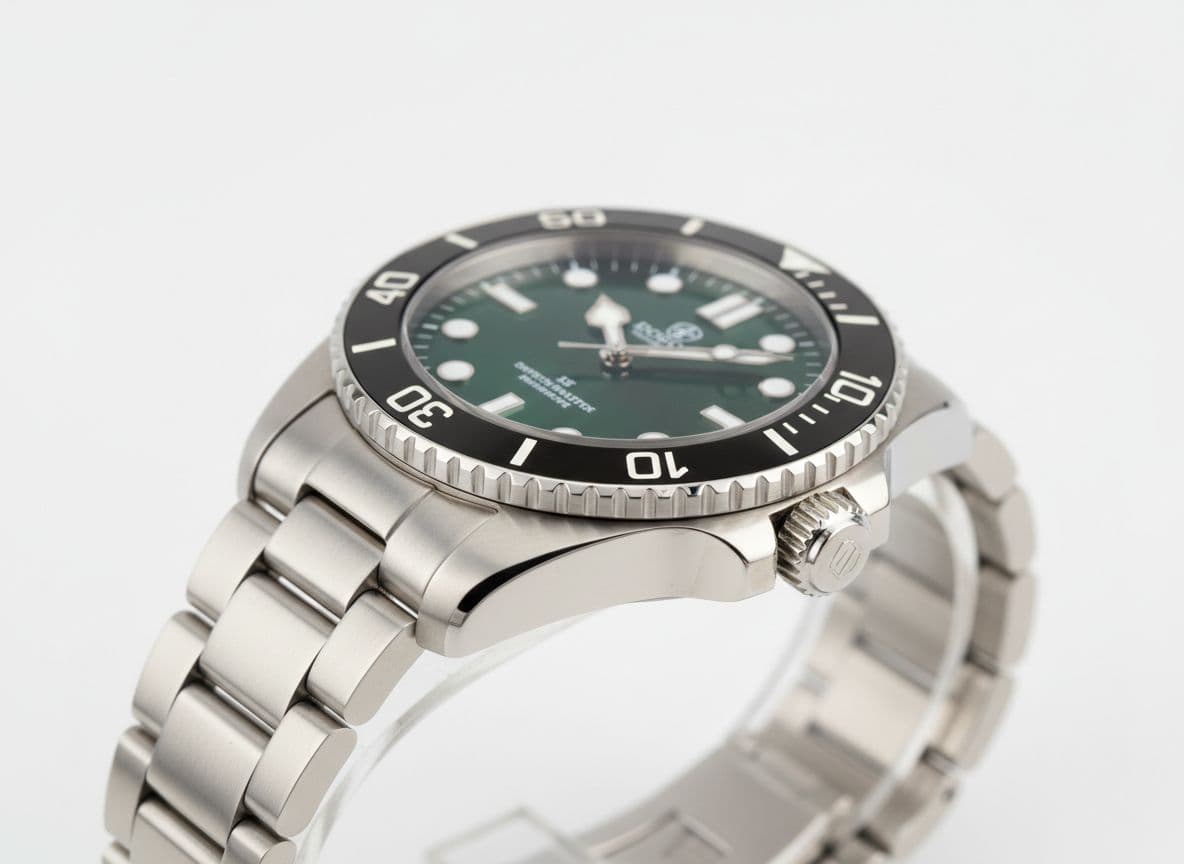
Rolex watches are among the few luxury goods that consistently hold or increase in value over time. Many Rolex models now sell for well above their original retail price on the secondary market, and some vintage references have appreciated by 500-1000% over the past decade. Understanding your Rolex's precise market value is critical whether you are selling, trading, insuring, or adding to a collection. The pre-owned Rolex market is notoriously opaque, with dealers offering wildly different prices for the same watch. Counterfeit Rolex watches are also extremely common, and knowing the telltale signs of authenticity protects you from fraud. An accurate valuation empowers you to negotiate from a position of strength.
Key Factors That Affect Rolex Watches Value
Understanding what drives the price of rolex watches helps you get the most accurate valuation.
Model & Reference Number
The specific model and reference number are the most important value determinants. A Daytona (ref. 116500LN) commands a very different price than a Datejust (ref. 126234). Sport models (Submariner, GMT-Master, Daytona) generally hold value better than dress models (Cellini, DateJust).
Year of Production
Vintage Rolex watches (pre-1990) with original parts are highly collectible. Certain transitional references and early serial numbers carry significant premiums. Modern watches from recent years may trade above retail due to scarcity at authorized dealers.
Condition & Originality
Original dials, bezels, hands, and bracelets are paramount. A Rolex with a replaced dial or non-original parts can lose 30-50% of its value. Light wear is expected and acceptable, but deep scratches, dents, or moisture damage reduce value significantly.
Box, Papers & Service History
A complete set with original box, warranty papers, hang tags, and booklets adds 10-20% to a Rolex's value. Recent service records from Rolex or an authorized watchmaker provide buyer confidence. The original purchase receipt is also valuable.
Dial Variations & Patina
Certain dial colors, materials, and configurations are more desirable. 'Tropical' dials that have changed color with age, 'spider' dials with cracking, and rare factory dial variants can multiply a vintage Rolex's value. Modern pieces with sought-after dial colors (green, blue) also carry premiums.
Tips for Valuing Rolex Watches
Get the most accurate valuation by following these tips when photographing your rolex watches.
Photograph the watch face straight-on in natural light, showing the dial, bezel, and case clearly
Include a photo of the case back, the side profile showing the crown, and the clasp with serial numbers
If you have the original box, papers, and warranty card, photograph them alongside the watch
Photograph any unique features like a faded bezel insert, patina on the dial, or lume condition
Rolex Watches Market Insights
The pre-owned Rolex market experienced explosive growth from 2020 to 2022, with many sport models trading at 2-3x retail prices. While the market has corrected somewhat since its 2022 peak, most desirable Rolex models still trade at or above retail. The Daytona, Submariner, and GMT-Master II remain the most sought-after models. Vintage Rolex collecting has become increasingly sophisticated, with auction records regularly broken for rare references. Platforms like Chrono24, Bob's Watches, and Crown & Caliber have made the pre-owned market more transparent. Rolex's deliberate production constraints continue to create scarcity, supporting strong resale values across the lineup.
Notable Rolex Watches Values
Real-world examples of what specific rolex watches have sold for, so you can benchmark your own.
| Rolex Watche | Condition | Typical Value |
|---|---|---|
| Rolex Submariner Date (Ref. 116610LN) | Used, Full Set | $8,500 - $12,000 |
| Rolex Daytona (Ref. 116500LN, White Dial) | Used, Full Set | $18,000 - $28,000+ |
| Rolex GMT-Master II "Pepsi" (Ref. 126710BLRO) | Used, Full Set | $13,000 - $18,000 |
| Rolex Datejust 41 (Ref. 126300, Jubilee) | Used, Full Set | $6,500 - $9,500 |
| Rolex Explorer I (Ref. 124270, 36mm) | Used, Full Set | $6,000 - $8,500 |
| Rolex Day-Date 40 (Ref. 228238, Yellow Gold) | Used, Full Set | $28,000 - $45,000+ |
| Vintage Rolex Submariner (Ref. 5513, circa 1960s-70s) | Used, Unpolished | $12,000 - $35,000+ |
| Rolex Oyster Perpetual 41 (Ref. 124300, Coral Red Dial) | Used, No Box/Papers | $5,500 - $8,000 |
| Rolex Submariner No-Date (Ref. 114060) | Used, No Papers | $7,500 - $10,500 |
Based on Chrono24 and Watchcharts sold listings, eBay completed sales, and Hodinkee Market auction records.
Find Out What Your Rolex Watches Are Worth
Upload a photo now and get a free AI-powered valuation in seconds. No sign-up required.
Rolex Watches Valuation FAQ
Do all Rolex watches go up in value?
No. While many Rolex sport models (Submariner, Daytona, GMT-Master) trade above retail, some models like the Cellini line and certain Datejust configurations can depreciate. Generally, stainless steel sport models hold value best, while precious metal dress watches on leather straps depreciate more. The specific reference number, condition, and completeness all affect long-term value.
How can I tell if my Rolex is real?
Authentic Rolex watches have several telltale signs: a smooth sweeping second hand (not ticking), a laser-etched crown at 6 o'clock on the crystal (post-2002 models), a serial number engraved between the lugs or on the inner rehaut, and solid weight. Counterfeit watches have become very sophisticated, so a professional authentication is recommended for high-value pieces.
Where should I sell my Rolex for the best price?
For maximum value, sell through established platforms like Chrono24 (private sale with buyer protection), Bob's Watches (instant quotes), or consignment with a reputable dealer. Auction houses like Phillips, Christie's, or Sotheby's are ideal for rare vintage references worth $20,000+. Avoid pawn shops, which typically offer 40-60% below market value.
Does servicing my Rolex increase or decrease its value?
For modern Rolex watches, regular servicing is recommended and maintains value. For vintage Rolex watches, servicing can actually decrease value if original parts (dial, hands, bezel) are replaced with modern service replacements. If you have a vintage Rolex, specify that you want all original parts returned and avoid having Rolex refinish the case or replace the dial.
What is the most valuable Rolex model?
The most valuable Rolex ever sold is Paul Newman's personal Rolex Daytona ref. 6239, which fetched $17.8 million at auction. Among production models, vintage Daytonas with exotic 'Paul Newman' dials regularly sell for $200,000-$500,000+. The rarest Rolex models include the ref. 6062 Stelline, ref. 8171 Padellone, and early split-seconds chronographs, all commanding six or seven figures.
Rolex Watches Price Guides
Value anything, anytime
Unlimited valuations, saved history and full reports in the free app.