Last updated: September 2026
How Much Is My Gold Jewelry Worth?
Whether you have a gold engagement ring, chain necklace, bracelet, earrings, or inherited gold jewelry, our AI analyzes the piece's karat, style, and condition to provide an accurate market valuation. Understand the difference between melt value and resale value, and get a fair price before selling to a jeweler, pawn shop, or private buyer.
Get the free app for unlimited scans


Compare real prices
See what gold jewelry are listed for right now
Affiliate link: we earn a commission if you buy, at no extra cost to you.
What do you want to value?
Get the free app for unlimited scans
Why Knowing Your Gold Jewelry Value Matters
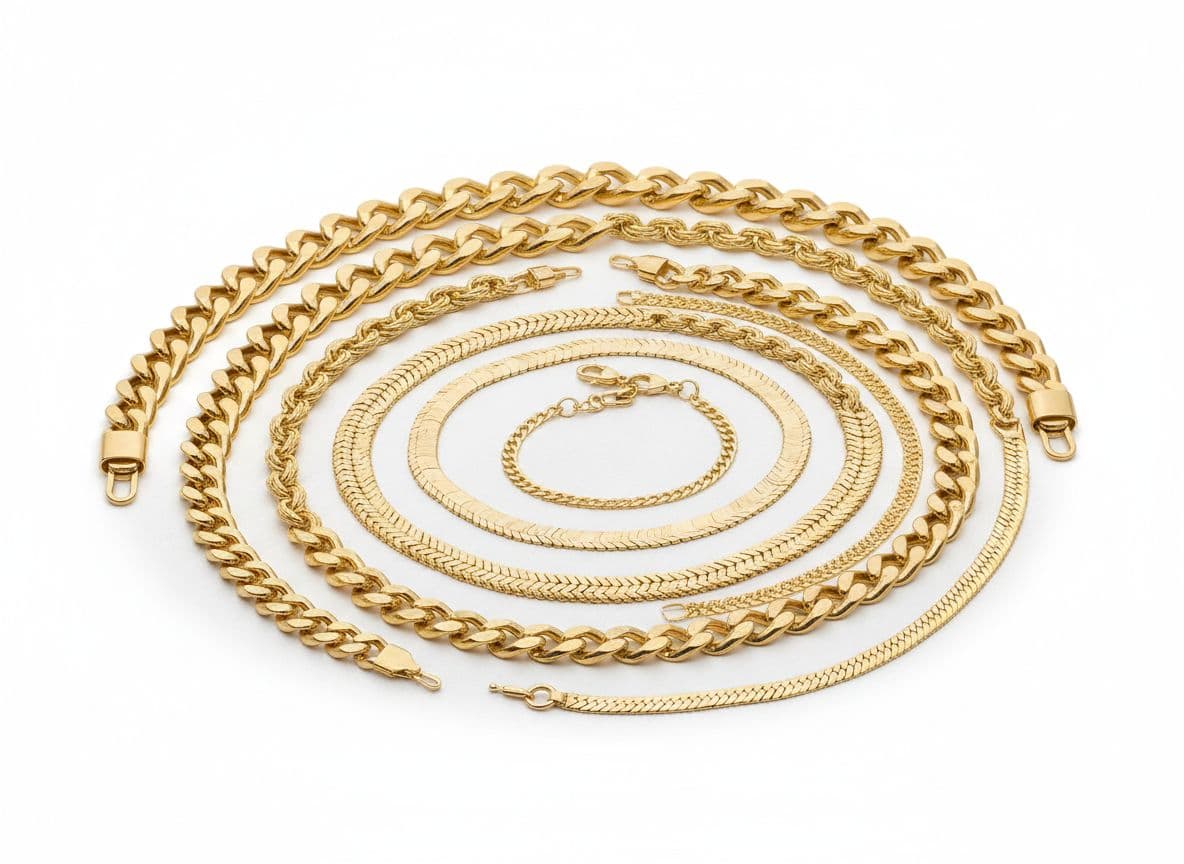
Gold jewelry is one of the most commonly undervalued assets people own. With gold prices at historic highs, that old gold chain, broken bracelet, or inherited ring in your jewelry box could be worth significantly more than you think. Many people sell gold jewelry to pawn shops or 'cash for gold' buyers that pay only 30-50% of melt value, leaving hundreds or even thousands of dollars on the table. Understanding the difference between melt value (the raw gold content) and retail/resale value (what the piece is worth as jewelry) is critical. A plain 14K gold chain is worth close to melt value, but a signed Tiffany or Cartier gold piece, a well-crafted vintage design, or jewelry with gemstones can be worth 2-10x its melt value. Our AI helps you understand which category your gold jewelry falls into.
Key Factors That Affect Gold Jewelry Value
Understanding what drives the price of gold jewelry helps you get the most accurate valuation.
Karat & Gold Purity
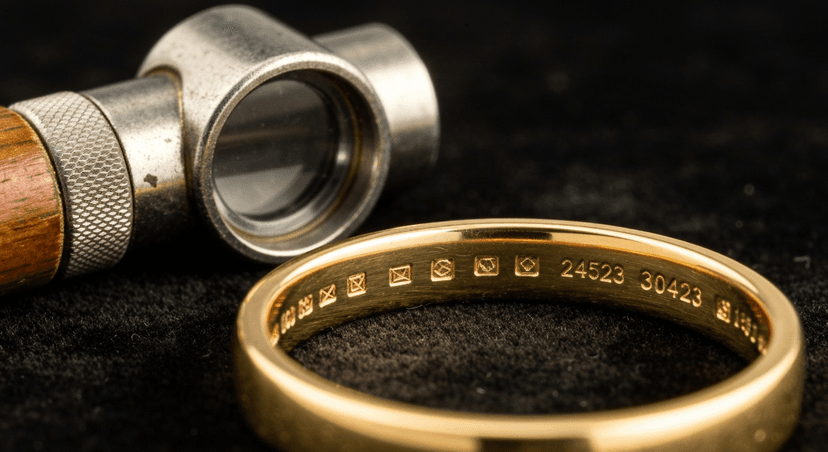
Gold purity directly determines melt value. 24K is pure gold (99.9%), 18K is 75% gold, 14K is 58.5% gold, and 10K is 41.7% gold. The hallmark stamp (10K, 14K, 18K, 750, 585, 417) indicates purity. Higher karat means more gold content and higher melt value. European gold is often 18K or 22K, while American gold jewelry is predominantly 14K. Some antique pieces may not have visible stamps but can still be solid gold.
Weight
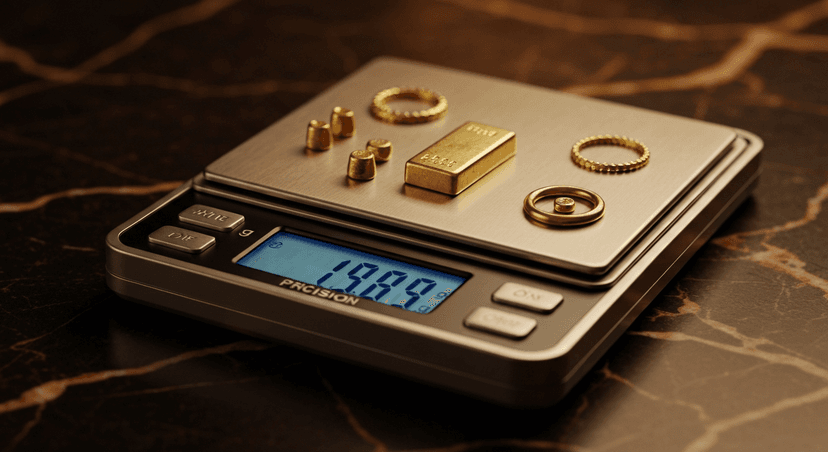
Gold is valued by weight in grams or troy ounces. Heavier pieces are worth more at melt value. A thick 14K gold chain might weigh 30-50 grams and be worth $800-$1,500+ in gold content alone. Hollow gold pieces weigh less and are worth less than solid gold equivalents. Jewelers use a pennyweight (dwt) scale. 1 dwt equals 1.555 grams.
Designer & Brand
Signed pieces from luxury brands (Tiffany & Co., Cartier, Van Cleef & Arpels, Bulgari, David Yurman) are worth far more than melt value. A Tiffany gold bracelet might have $500 in gold but sell for $2,000-$5,000. Designer pieces should never be sold for scrap. Always check for maker's marks and brand hallmarks before selling to a gold buyer.
Style & Craftsmanship
Well-crafted, stylish pieces in current fashion trends are worth more than outdated or generic designs. Vintage and antique gold jewelry from specific eras (Art Deco, Victorian, Mid-Century Modern) has collector value beyond gold content. Hand-crafted pieces with intricate details are worth more than machine-made generic pieces. Cuban link chains, rope chains, and figaro chains are always in demand.
Gemstones & Settings
Gold jewelry set with diamonds, sapphires, rubies, emeralds, or other precious gemstones is worth more than plain gold pieces. However, 'cash for gold' buyers typically ignore gemstones and pay only for gold weight. If your piece has significant stones, selling it as complete jewelry (not scrap) is essential to capturing the gemstone value. Small accent diamonds add minimal value, while a center stone of 0.50 carats or larger can significantly increase the piece's worth.
Tips for Valuing Gold Jewelry
Get the most accurate valuation by following these tips when photographing your gold jewelry.
Photograph the piece clearly showing the overall design, color, and craftsmanship
Include a close-up of any hallmark stamps (10K, 14K, 18K, 750, 585) and maker's marks
Show any gemstones, clasps, or unique design elements that add value beyond gold content
If possible, weigh the piece on a kitchen scale and include the weight in grams for a more precise estimate
Gold Jewelry Market Insights
Gold prices have reached historic highs, making now an excellent time to evaluate gold jewelry you may want to sell. The price of gold fluctuates daily based on global economic conditions, inflation expectations, and geopolitical events. Gold is traditionally seen as a safe-haven investment, and demand increases during economic uncertainty. The 'cash for gold' industry remains active but buyers vary enormously in what they pay. Some offer 50% of melt value while others pay 80-90%. Online gold buyers like KITCO and Sell Your Gold often pay more than local shops due to lower overhead. For designer gold jewelry, luxury resale platforms (The RealReal, 1stDibs, Worthy) capture both gold and brand value. Understanding today's gold price and your jewelry's purity allows you to calculate a baseline melt value before negotiating with any buyer.
Notable Gold Jewelry Values
Real-world examples of what specific gold jewelry have sold for, so you can benchmark your own.
| Gold Jewelry | Condition | Typical Value |
|---|---|---|
| 10K Gold Chain Necklace (18-24 inch, 5-10g) | Used | $150 - $400 |
| 14K Gold Wedding Band (plain, 4-6g) | Used | $150 - $350 |
| 14K Gold Diamond Solitaire Engagement Ring (0.5 ct) | Used | $400 - $1,200 |
| 18K Gold Rope Bracelet (7 inch, 10-15g) | Used | $500 - $1,100 |
| Cartier Love Bracelet (18K Yellow Gold, size 17) | Authenticated | $4,500 - $6,500 |
| Tiffany & Co. Return to Tiffany Heart Tag Necklace (18K) | Used | $800 - $1,600 |
| Van Cleef & Arpels Alhambra Pendant (18K Yellow Gold) | Authenticated | $2,500 - $4,500 |
| 22K Gold Bangles (Indian-style set, 20-25g total) | Used | $900 - $1,600 |
| 24K Gold Bar Pendant or Ingot Necklace (1g-5g) | Used | $75 - $350 |
Based on eBay sold listings, Worthy.com auction records, and Chrono24/1stDibs secondary market data for pre-owned gold jewelry.
Find Out What Your Gold Jewelry Are Worth
Upload a photo now and get a free AI-powered valuation in seconds. No sign-up required.
Gold Jewelry Valuation FAQ
How do I know if my jewelry is real gold?
Look for hallmark stamps: 10K, 14K, 18K, 24K (or 417, 585, 750, 999 in European marking). Real gold will not be attracted to a magnet (though clasps may contain magnetic metals). Gold does not tarnish or turn green. A professional jeweler can test with acid or an electronic gold tester for definitive results. Be aware that gold-plated, gold-filled, and gold-vermeil pieces have stamps like 'GP,' 'GF,' '1/20 14K,' or '925' (sterling silver base). these contain very little actual gold and have minimal scrap value.
Should I sell my gold jewelry for scrap or as jewelry?
It depends on the piece. Plain, broken, or outdated gold pieces with no designer name are typically best sold for scrap gold value. However, signed designer pieces (Tiffany, Cartier, etc.), antique jewelry, and pieces with significant gemstones should be sold as complete jewelry. Selling these as scrap leaves enormous value on the table. When in doubt, get both a scrap gold quote and a jewelry appraisal to compare.
How much do pawn shops pay for gold jewelry?
Most pawn shops offer 30-60% of melt value for gold jewelry. Established jewelry stores that buy gold typically pay 60-80% of melt value. Online gold buyers often pay 75-90% of melt value. The difference can be hundreds of dollars on a single piece. Always get multiple quotes, know the current gold spot price, and calculate your jewelry's approximate melt value before accepting any offer.
What is the difference between gold-plated, gold-filled, and solid gold?
Solid gold (10K-24K) is gold throughout and has significant scrap value. Gold-filled (marked 'GF' or '1/20 14K') has a thick layer of gold bonded to a base metal. It contains some gold but much less than solid gold. Gold-plated (marked 'GP') has a very thin layer of gold over base metal and has essentially zero scrap value. Gold vermeil is gold plating over sterling silver. Only solid gold jewelry has meaningful melt value.
Is now a good time to sell gold jewelry?
With gold prices near all-time highs, now is an excellent time to sell gold jewelry you no longer wear. Gold has increased significantly over the past several years. However, timing the exact peak is impossible, and gold prices can fluctuate. If you have gold jewelry you do not plan to wear again, selling at today's historically high prices is a sound financial decision rather than waiting for prices that may or may not go higher.
Value anything, anytime
Unlimited valuations, saved history and full reports in the free app.