Last updated: September 2026
How Much Is My Tanzanite Worth?
Tanzanite is found in only one place on Earth. The Merelani Hills of Tanzania. Making it one of the rarest gemstones. Values range from $100/carat for lighter stones to $800+/carat for vivid blue-violet specimens. Upload a photo for an instant AI valuation.
Get the free app for unlimited scans


Compare real prices
See what tanzanite are listed for right now
Affiliate link: we earn a commission if you buy, at no extra cost to you.
What do you want to value?
Get the free app for unlimited scans
Why Knowing Your Tanzanite Value Matters
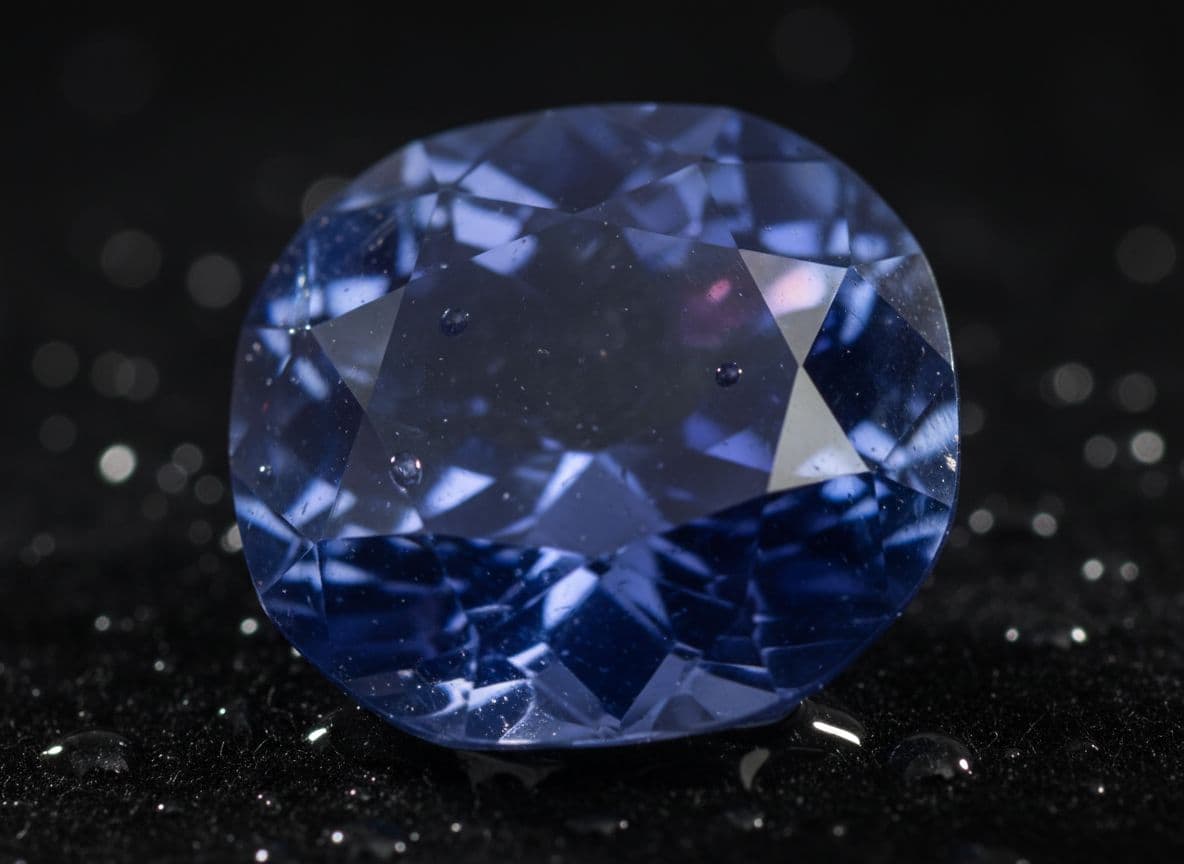
Tanzanite's single-source origin makes it approximately 1,000 times rarer than diamonds. Mining supply is finite and expected to be depleted within 20-30 years, which has led many to view tanzanite as an appreciating asset. Color is the dominant value factor. Vivid blue-violet stones command the highest prices, while lighter or more purple stones are more affordable. Many tanzanite owners don't realize the value range is enormous and that their stone could be worth significantly more (or less) than they assumed.
Key Factors That Affect Tanzanite Value
Understanding what drives the price of tanzanite helps you get the most accurate valuation.
Color Saturation
Vivid blue-violet (AAA grade): $400-$800+/carat. Medium blue-violet (AA): $200-$400/carat. Light blue-violet (A): $100-$200/carat. Pale/lavender (B): $50-$150/carat. Color is the single most important value factor. Deep, saturated blue-violet is the ideal.
Carat Weight
Larger tanzanites are exponentially more valuable. Under 1 carat: $100-$300/ct. 1-3 carats: $200-$500/ct. 3-5 carats: $300-$700/ct. 5+ carats: $400-$800+/ct. Fine stones over 10 carats are quite rare and highly sought after.
Clarity
Eye-clean stones (no visible inclusions) are standard for quality tanzanite. Heavily included stones sell at significant discounts. Loupe-clean specimens in large sizes command premiums. Unlike diamonds, clarity is secondary to color for tanzanite valuation.
Cut Quality
Well-cut tanzanite maximizes the blue-violet color and minimizes the brown/grey component visible from certain angles. Oval and cushion cuts are most popular. Round brilliants waste more rough material and are priced accordingly. Poor cuts can make a fine stone look dull.
Treatment Status
Almost all commercial tanzanite is heat-treated to enhance the blue-violet color (natural stones are often brownish). This treatment is universally accepted and does not diminish value. Untreated naturally blue tanzanite is extremely rare and commands significant premiums from collectors.
Tips for Valuing Tanzanite
Get the most accurate valuation by following these tips when photographing your tanzanite.
Photograph in natural daylight to capture the true blue-violet color
Show the stone from multiple angles. Tanzanite is pleochroic (different colors from different directions)
Include a size reference if the stone is loose
Note if you have any gemological certificates or lab reports
Tanzanite Market Insights
Tanzanite prices have shown long-term appreciation driven by finite supply from a single mine. The Tanzanian government has periodically restricted exports, causing price spikes. Large, vivid stones have appreciated 5-10% annually over the past decade. The gem trade views tanzanite as a strong long-term hold given the inevitable depletion of the Merelani deposit. However, the market is less liquid than diamond or sapphire. Selling may take longer.
Find Out What Your Tanzanite Are Worth
Upload a photo now and get a free AI-powered valuation in seconds. No sign-up required.
Tanzanite Valuation FAQ
How much is tanzanite worth per carat?
Tanzanite ranges from $50/carat for pale stones to $800+/carat for vivid blue-violet specimens in larger sizes. Average quality tanzanite in the 1-3 carat range typically sells for $200-$400/carat.
Is tanzanite a good investment?
Tanzanite's finite supply (single mine, expected depletion in 20-30 years) makes it a compelling long-term investment gem. Fine-quality stones over 3 carats have appreciated 5-10% annually. However, it's less liquid than diamonds and may take time to sell.
Is tanzanite rarer than diamond?
Yes. Tanzanite is approximately 1,000 times rarer than diamond by geological occurrence. It's found in only one location on Earth (Merelani Hills, Tanzania), making it one of the rarest commercial gemstones.
Why does my tanzanite look different colors?
Tanzanite is strongly pleochroic. It shows different colors from different viewing angles (blue, violet, and sometimes burgundy). This is a natural property, not a defect. The best stones show vivid blue-violet when viewed face-up.
Should I buy tanzanite before the mine runs out?
The Merelani mine is expected to produce for another 20-30 years, but the highest-quality seams are already being depleted. Fine-quality tanzanite is likely to become more expensive over time. However, predictions about mine depletion have been made for decades. Buy what you love rather than speculating.
Value anything, anytime
Unlimited valuations, saved history and full reports in the free app.