Last updated: September 2026
How Much Is My Diamond Worth?
Whether you have a loose diamond, an inherited stone, or a diamond you are considering selling, our AI analyzes visual cues to estimate its value. Get a quick price range before visiting a jeweler or listing your diamond for sale online.
Get the free app for unlimited scans


Compare real prices
See what diamonds are listed for right now
Affiliate link: we earn a commission if you buy, at no extra cost to you.
What do you want to value?
Get the free app for unlimited scans
Why Knowing Your Diamonds Value Matters
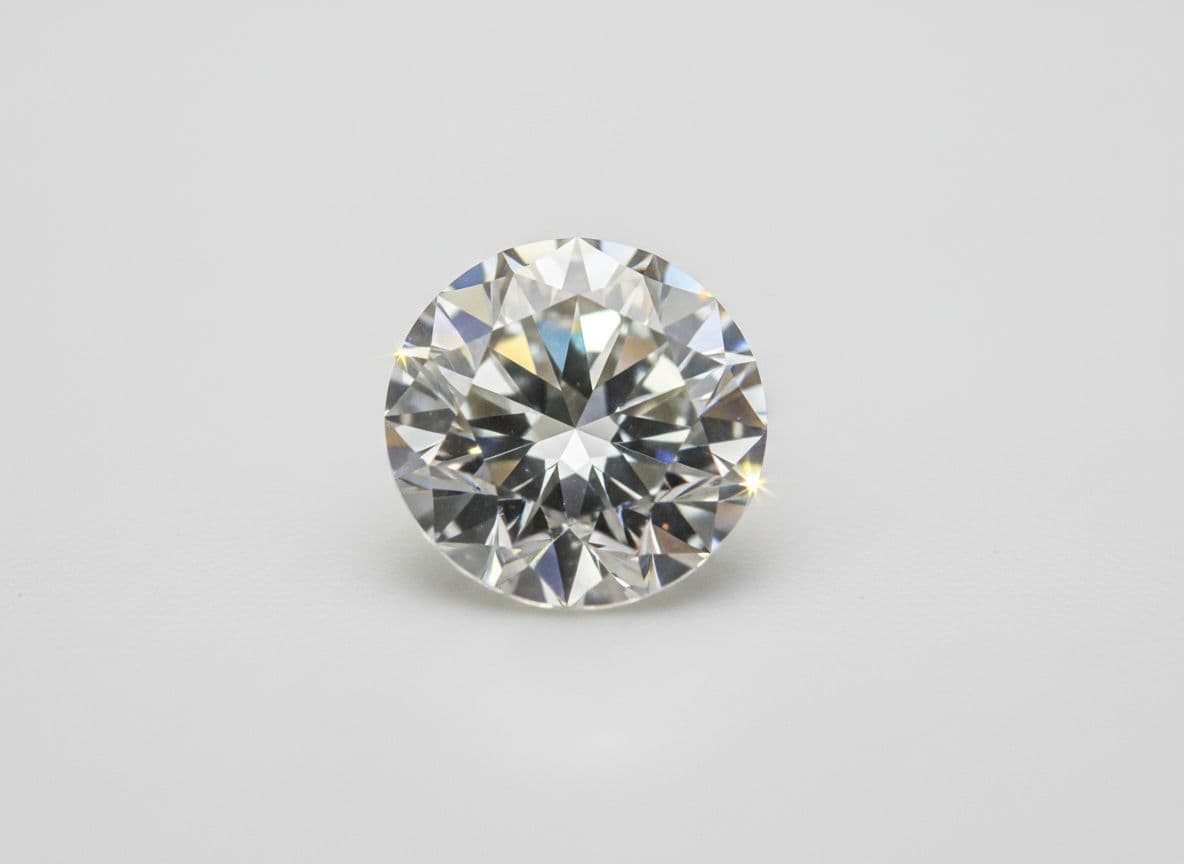
Diamonds represent one of the most concentrated forms of value on earth, yet most owners have no idea what their stone is truly worth on the resale market. Retail markups on diamonds average 100-200%, meaning the price you paid is rarely what you can sell it for. Understanding your diamond's value based on the 4Cs (cut, clarity, color, carat) is essential whether you are selling after a divorce, liquidating an estate, or upgrading your stone. Insurance appraisals often inflate values, while pawn shops and quick-buy dealers typically offer just 20-40% of true market value. Having an independent estimate puts you in a much stronger negotiating position and can save you thousands of dollars.
Key Factors That Affect Diamonds Value
Understanding what drives the price of diamonds helps you get the most accurate valuation.
Carat Weight
Weight is the most obvious price factor. Diamonds are priced per carat, and prices jump significantly at popular thresholds (0.50ct, 1.00ct, 1.50ct, 2.00ct). A 1.01ct diamond can be worth 15-20% more per carat than a 0.99ct stone of identical quality.
Cut Quality
Cut is widely considered the most important factor for a diamond's beauty. An Excellent or Ideal cut maximizes light return and sparkle. A poorly cut diamond, even with high color and clarity, will appear dull and lifeless, significantly reducing its value.
Color Grade
Diamond color is graded from D (colorless) to Z (light yellow or brown). The difference between adjacent grades is subtle but the price impact is real. D-F diamonds command premium prices, while G-J offer excellent value as they appear colorless when set in jewelry.
Clarity Grade
Clarity measures internal inclusions and surface blemishes, from Flawless (FL) to Included (I3). VS2 and SI1 are popular sweet spots where inclusions are not visible to the naked eye. Diamonds with eye-visible inclusions (SI2 and below) drop sharply in value.
Certification
A GIA or AGS certificate significantly increases a diamond's resale value and buyer confidence. Uncertified diamonds or those graded by less reputable labs (IGI, EGL) typically sell for 10-30% less than GIA-certified stones of equivalent quality.
Diamond-Specific Tools
For stones and diamond jewelry, these free guides go deeper than a general estimate:
Tips for Valuing Diamonds
Get the most accurate valuation by following these tips when photographing your diamonds.
Photograph the diamond on a white background with natural daylight for the most accurate AI reading
Include any certification documents (GIA, AGS) in a separate photo for a more precise valuation
If the diamond is in a setting, photograph it from the top and side to help estimate carat weight
Avoid using flash photography as it creates misleading sparkle that can obscure clarity characteristics
Diamonds Market Insights
The diamond market has undergone significant shifts in recent years. Lab-grown diamonds now account for nearly 50% of engagement ring sales, putting downward pressure on natural diamond prices in the under-2-carat range. However, larger natural diamonds (2ct+) and fancy colored diamonds have held or increased in value. The resale market for diamonds is more transparent than ever thanks to platforms like Worthy, Loupe Troop, and I Do Now I Don't. Natural diamond prices are tracked by the Rapaport Price List, which serves as the wholesale benchmark. If you are selling a diamond, expect to receive 30-60% of retail replacement value depending on size, quality, and whether it has GIA certification.
Notable Diamonds Values
Real-world examples of what specific diamonds have sold for, so you can benchmark your own.
| Diamond | Condition | Typical Value |
|---|---|---|
| Round Brilliant 0.5ct, G/VS2, GIA Certified | GIA Certified | $1,200 - $2,500 |
| Round Brilliant 1.0ct, G/VS1, GIA Certified | GIA Certified | $3,500 - $6,500 |
| Round Brilliant 2.0ct, F/VVS2, GIA Certified | GIA Certified | $14,000 - $25,000 |
| Princess Cut 1.0ct, H/SI1, GIA Certified | GIA Certified | $2,000 - $4,000 |
| Oval Cut 1.5ct, E/VS1, GIA Certified | GIA Certified | $6,500 - $12,000 |
| Fancy Yellow Diamond 1.0ct, VS clarity | GIA Certified | $3,000 - $8,000 |
| Fancy Pink Diamond 0.5ct, SI1 | GIA Certified | $8,000 - $25,000 |
| Vintage Old European Cut 1.0ct, I/VS2 | Estate / Unmounted | $2,500 - $5,000 |
| Lab-Grown Round Brilliant 1.0ct, G/VS1 | IGI Certified | $300 - $800 |
Based on dealer buy-back rates, auction house results (Sotheby's, Christie's), and secondary market platforms (Worthy, I Do Now I Don't, Circa Jewels).
Find Out What Your Diamonds Are Worth
Upload a photo now and get a free AI-powered valuation in seconds. No sign-up required.
Diamonds Valuation FAQ
How much can I sell my diamond for compared to what I paid?
Most diamonds resell for 25-50% of the original retail price. The markup at retail jewelry stores is typically 100-200%. Diamonds with GIA certification, excellent cut grades, and popular sizes (1ct, 1.5ct, 2ct) retain the most value. Selling through auction platforms or peer-to-peer marketplaces typically yields higher returns than selling to dealers.
Are lab-grown diamonds worth anything on resale?
Lab-grown diamonds have very limited resale value, typically 10-20% of their original purchase price. Because they can be produced in unlimited quantities, their prices have fallen rapidly. A lab-grown diamond purchased for $3,000 in 2022 might resell for just $300-$600 today. Natural diamonds hold value significantly better.
Does the shape of my diamond affect its value?
Yes, diamond shape significantly impacts price. Round brilliant diamonds command the highest prices per carat (20-40% more than fancy shapes) because of their popularity and the amount of rough diamond lost during cutting. Among fancy shapes, oval and emerald cuts are currently in high demand, while marquise and pear shapes trade at lower premiums.
How can I tell if my diamond is real?
A real diamond will exhibit strong light dispersion (fire and brilliance). Simple home tests include the fog test (diamonds disperse heat quickly, so fog disappears fast), the newspaper test (you cannot read text through a real diamond due to light refraction), and checking for a GIA laser inscription on the girdle with a loupe. For certainty, a professional gemologist can test with thermal and electrical conductivity tools.
What is the best way to sell a diamond?
For diamonds over 0.5ct with GIA certification, online auction platforms like Worthy.com typically get 15-30% more than local jewelers. For high-value stones (over $10,000), consider consignment with a reputable jeweler or auction houses like Christie's or Sotheby's. Avoid pawn shops, which offer the lowest prices. Always get multiple quotes before selling.
Diamonds Price Guides
Diamonds Guides & Articles
Value anything, anytime
Unlimited valuations, saved history and full reports in the free app.