Last updated: September 2026
How Much Is My Tiffany & Co. Jewelry Worth?
Whether you have a Tiffany engagement ring, a Return to Tiffany bracelet, an Elsa Peretti pendant, a Paloma Picasso design, or any other Tiffany & Co. piece, our AI identifies the collection, metal, and condition to provide an accurate resale valuation. Understand what your Tiffany jewelry is worth on the secondary market before selling.
Get the free app for unlimited scans


Compare real prices
See what tiffany & co. jewelry are listed for right now
Affiliate link: we earn a commission if you buy, at no extra cost to you.
What do you want to value?
Get the free app for unlimited scans
Why Knowing Your Tiffany & Co. Jewelry Value Matters
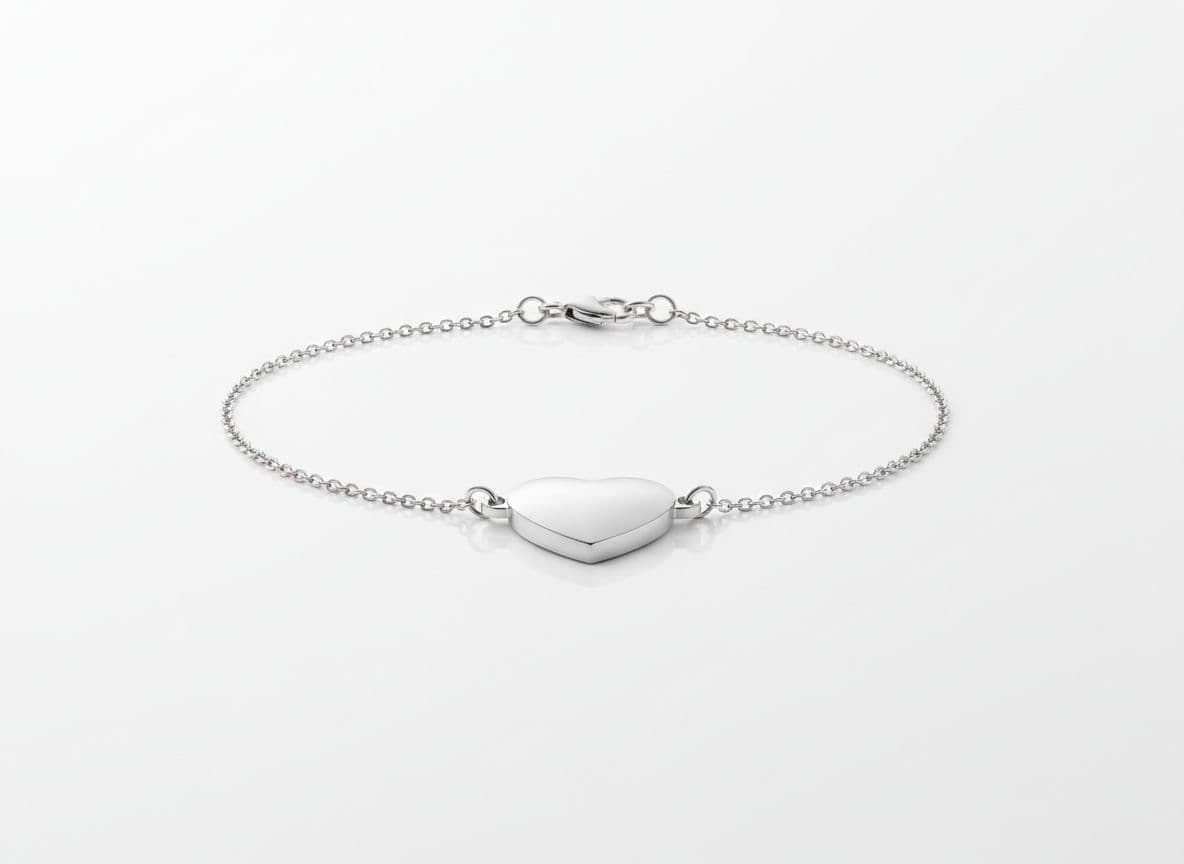
Tiffany & Co. is one of the most recognized luxury jewelry brands in the world, and their pieces hold value remarkably well on the resale market. However, the gap between retail price and resale value varies enormously depending on the collection, materials, and demand. Sterling silver Tiffany pieces like the iconic Return to Tiffany heart tag bracelet may resell for 30-50% of retail, while diamond engagement rings from Tiffany can retain 50-70% of their original price. Far better than non-branded diamonds. Discontinued collections and vintage pieces from designers like Jean Schlumberger, Elsa Peretti, and Paloma Picasso often appreciate over time. Understanding your piece's resale value is critical whether you are going through a divorce, settling an estate, decluttering, or simply upgrading. Many people unknowingly sell Tiffany pieces at generic jewelry prices, missing the significant brand premium that Tiffany commands in the secondary market.
Key Factors That Affect Tiffany & Co. Jewelry Value
Understanding what drives the price of tiffany & co. jewelry helps you get the most accurate valuation.
Collection & Designer
Tiffany pieces from named designer collections. Jean Schlumberger, Elsa Peretti, Paloma Picasso, and Tiffany T.command higher resale premiums than unbranded Tiffany basics. Schlumberger pieces are the most coveted, with some designs selling for $5,000-$50,000+ on the secondary market. The Return to Tiffany collection is the most commonly resold but holds value well due to constant demand.
Metal & Materials
Platinum and gold Tiffany pieces hold value significantly better than sterling silver. A Tiffany platinum diamond ring retains much more of its original retail price than a silver charm bracelet. Rose gold Tiffany pieces are currently trending. Pieces combining precious metals with enamel, gemstones, or pearls are valued based on both material and design rarity.
Condition & Completeness
Tiffany jewelry in excellent condition with original box, pouch, bag, receipt, and certification commands a 15-30% premium over unboxed pieces. Scratches on silver, worn clasps, or missing components reduce value. Tiffany offers cleaning and polishing services that can restore pieces to near-new condition before resale.
Authenticity & Hallmarks
Genuine Tiffany pieces are stamped with 'Tiffany & Co.' along with metal purity marks (925 for sterling, 750 for 18K gold, PT950 for platinum). Counterfeit Tiffany jewelry is extremely common, so authenticated pieces with documentation sell for significantly more. Serial numbers on newer pieces can be verified through Tiffany's records.
Discontinued & Vintage Status
Discontinued Tiffany designs often appreciate because supply is fixed while demand continues. Vintage pieces from the 1960s-1980s, particularly Schlumberger and Peretti designs, are highly collectible. Limited edition collaborations and special-occasion pieces (anniversary collections, holiday exclusives) develop cult followings that drive prices above original retail.
Tips for Valuing Tiffany & Co. Jewelry
Get the most accurate valuation by following these tips when photographing your tiffany & co. jewelry.
Photograph the piece showing the full design, metal color, and any gemstones clearly
Include a close-up of the Tiffany & Co. hallmark stamp, metal purity mark, and any serial numbers
Show the original packaging. Tiffany blue box, pouch, bag, and any certificates or receipts add value
If the piece has gemstones, photograph them in natural light to show color, clarity, and brilliance
Tiffany & Co. Jewelry Market Insights
The Tiffany & Co. resale market has strengthened since LVMH's acquisition of the brand, as increased marketing and price increases at retail have pushed more buyers toward the secondary market. Platforms like The RealReal, Vestiaire Collective, and eBay Authenticate handle significant volume of Tiffany resale. Sterling silver Tiffany pieces remain the most actively traded segment, with Return to Tiffany bracelets and necklaces being the highest-volume items. Diamond engagement rings from Tiffany benefit from the brand's strict grading standards and hold value better than non-branded diamonds of similar quality. Collectors focus on Schlumberger pieces, vintage Peretti designs, and discontinued collections. The authentication challenge. Tiffany is one of the most counterfeited jewelry brands. Makes authenticated pieces with documentation significantly more valuable.
Notable Tiffany & Co. Jewelry Values
Real-world examples of what specific tiffany & co. jewelry have sold for, so you can benchmark your own.
| Tiffany & Co. Jewelry | Condition | Typical Value |
|---|---|---|
| Tiffany & Co. Return to Tiffany Heart Tag Toggle Bracelet (Silver) | Used, Authenticated | $150 - $350 |
| Tiffany & Co. T Wire Bracelet (18k Rose Gold) | Used, Authenticated | $600 - $1,100 |
| Tiffany & Co. Elsa Peretti Open Heart Pendant (Small, Silver) | Used, Authenticated | $80 - $180 |
| Tiffany & Co. Soleste Diamond Engagement Ring (Platinum, ~0.50ct center) | Used, Authenticated | $2,500 - $4,500 |
| Tiffany & Co. Atlas Closed Narrow Ring (18k Yellow Gold) | Used, Authenticated | $450 - $900 |
| Tiffany & Co. Paloma Picasso Olive Leaf Band (Silver) | Used, Authenticated | $120 - $250 |
| Tiffany & Co. Setting Solitaire Engagement Ring (Platinum, ~1.00ct) | Used, Authenticated | $4,000 - $9,000+ |
| Tiffany & Co. Bone Cuff by Elsa Peretti (Silver, Large) | Used, Authenticated | $500 - $1,200 |
| Tiffany & Co. Return to Tiffany Oval Tag Necklace (Silver) | Used, Authenticated | $100 - $220 |
Based on eBay sold listings, The RealReal, and Vestiaire Collective resale records for authenticated Tiffany & Co. pieces.
Find Out What Your Tiffany & Co. Jewelry Are Worth
Upload a photo now and get a free AI-powered valuation in seconds. No sign-up required.
Tiffany & Co. Jewelry Valuation FAQ
How much of the retail price can I get when reselling Tiffany jewelry?
Resale values vary by piece. Sterling silver Tiffany jewelry typically resells for 30-50% of current retail. Gold and platinum pieces can retain 50-70% of retail value. Diamond engagement rings often hold 50-65% of original price. Better than most non-branded diamonds. Discontinued and vintage pieces from named designers can occasionally sell for more than their original retail price.
Where is the best place to sell Tiffany jewelry?
For authenticated pieces, The RealReal, Vestiaire Collective, and eBay with authentication service provide strong prices and buyer trust. For high-value pieces (diamond rings, Schlumberger designs), consignment with a luxury jewelry specialist or auction house yields the best results. Selling to local jewelers or pawn shops typically returns the lowest prices as they often value Tiffany pieces at generic scrap or wholesale rates.
How can I tell if my Tiffany jewelry is authentic?
Authentic Tiffany pieces have precise 'Tiffany & Co.' engravings with consistent font, depth, and spacing. Look for metal purity stamps (925, 750, PT950) near the Tiffany mark. Modern pieces often include serial numbers. The quality of craftsmanship. Smooth clasps, even metal finish, precise stone settings. Distinguishes genuine pieces. When in doubt, Tiffany boutiques can verify authenticity, or you can use professional authentication services.
Is vintage Tiffany jewelry worth more than new?
Certain vintage Tiffany pieces are worth more than their original retail price, especially discontinued designs from Jean Schlumberger, Elsa Peretti, and Paloma Picasso. Vintage pieces from the mid-20th century made with higher-quality craftsmanship and heavier metal weights are particularly prized. However, not all vintage Tiffany is valuable.common silver pieces from the 1990s-2000s may have limited collector premium.
Does Tiffany buy back their jewelry?
Tiffany & Co. does not have a formal buy-back program for most jewelry. They do offer trade-up programs for engagement rings and diamond jewelry in some cases. For general Tiffany pieces, you will need to sell through the secondary market. Tiffany does offer complimentary cleaning and maintenance for their pieces, which can increase resale value if you plan to sell.
Tiffany & Co. Jewelry Price Guides
Value anything, anytime
Unlimited valuations, saved history and full reports in the free app.