Last updated: September 2026
How Much Is My Guitar Worth?
From pre-war Martin acoustics to vintage Fender Stratocasters, our AI identifies your guitar and provides a current market value. Whether you're selling, insuring, or just curious, get an accurate valuation in seconds.
Get the free app for unlimited scans


Beginner
$50 – $300
Entry-level, Squier, Epiphone
Mid-Range
$300 – $1,500
MIM Fender, Gibson Studio, PRS SE
Pro
$1,500 – $5,000
USA Fender, Gibson LP Standard, Martin
Vintage
$5,000 – $500K+
Pre-CBS Fender, '59 Les Paul, rare acoustics
Compare real prices
See what guitars are listed for right now
Affiliate link: we earn a commission if you buy, at no extra cost to you.
What do you want to value?
Get the free app for unlimited scans
Why Knowing Your Guitars Value Matters
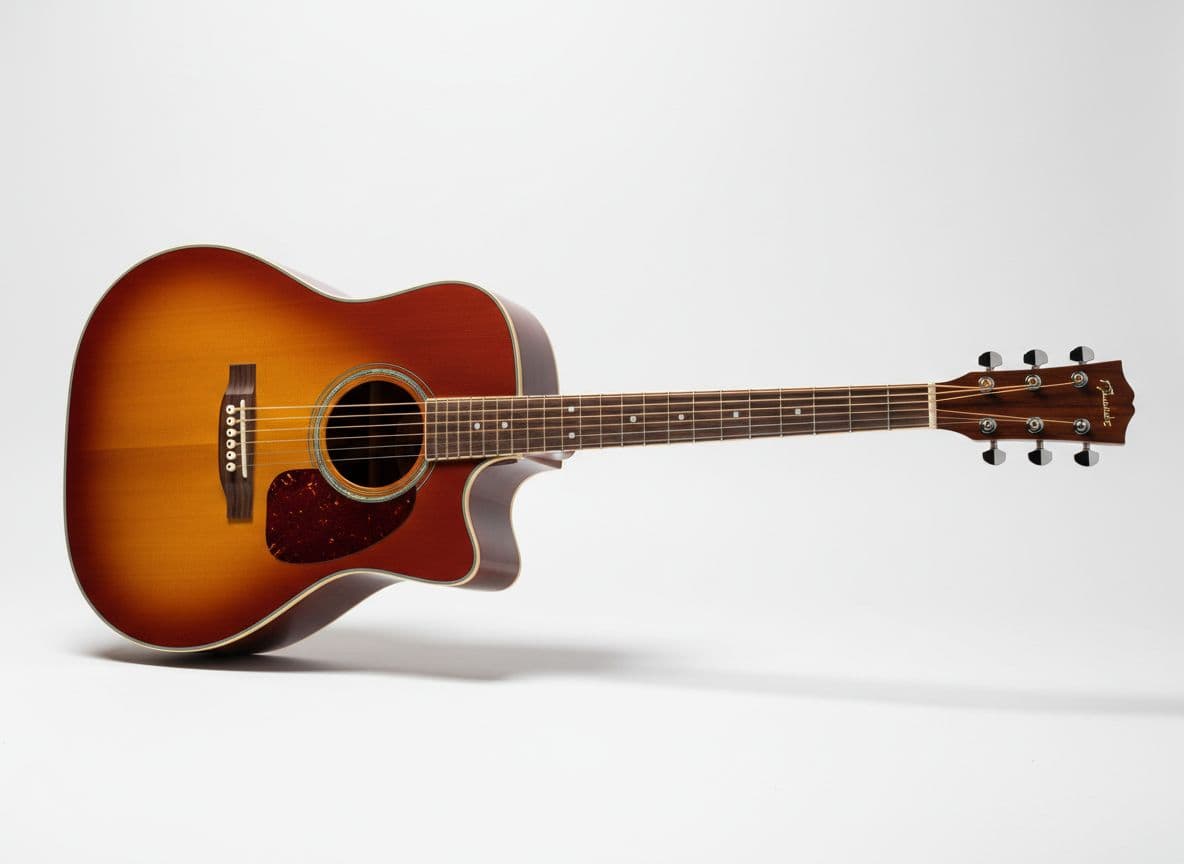
Guitars are among the most emotionally charged collectibles, combining artistic craftsmanship with musical history. The vintage guitar market has created millionaires out of people who bought instruments decades ago for everyday use. A 1959 Gibson Les Paul Standard originally sold for about $300 and now sells for $250,000-$500,000. Even guitars from the 1970s-80s that were once considered poor quality have appreciated as those eras gain collector respect. Beyond vintage instruments, modern limited editions, custom shop guitars, and artist signature models can hold or increase in value. Whether you're inheriting a guitar, downsizing a collection, or considering selling an instrument you no longer play, knowing its market value ensures you make an informed decision.
Key Factors That Affect Guitars Value
Understanding what drives the price of guitars helps you get the most accurate valuation.
Brand, Model & Year
Pre-CBS Fender (before 1965), Gibson from the 1950s-60s, and pre-war Martin acoustics are the most valuable production guitars. The specific model and year combination determines the base value range. A 1959 Gibson Les Paul Standard is the holy grail, but a 1952 Telecaster or 1937 Martin D-28 are also highly prized.
Originality
All-original guitars command the highest premiums. Changed pickups, tuners, bridges, nuts, switches, or wiring all reduce value - sometimes dramatically. Even 'upgrades' with better components are considered negative by collectors who want period-correct instruments. Refinished guitars lose 40-60% of their original-finish value.
Condition & Play Wear
Light play wear is acceptable and even desirable on vintage guitars (it proves authenticity). Heavy wear, cracks, breaks (especially headstock repairs), and modifications reduce value. Checking (lacquer cracking) is normal on older guitars and doesn't significantly impact value. Fret wear and neck issues affect playability and price.
Provenance & Celebrity Connection
Guitars owned or played by famous musicians can be worth many times their intrinsic value. Even guitars from notable studios, venues, or collections carry premiums. Documented provenance with photographs, receipts, or letters of authenticity adds significant value.
Sound & Playability
Unlike many collectibles, guitars are functional instruments. Exceptional-sounding examples of any model command premiums among player-collectors. Guitars with comfortable neck profiles, good intonation, and resonant tone are more desirable than comparable examples that look good but don't play well.
Tips for Valuing Guitars
Get the most accurate valuation by following these tips when photographing your guitars.
Photograph the full guitar from the front showing the body and headstock
Include a close-up of the headstock logo and serial number
Show any wear, dings, or modifications
Include photos of the back for finish checking and neck joint
Guitars Market Insights
The vintage guitar market remains robust, supported by platforms like Reverb, Guitar Center's vintage section, and specialized dealers like Gruhn Guitars and Norman's Rare Guitars. Pre-CBS Fender and 1950s-60s Gibson prices continue to climb, with the best examples now firmly in six-figure territory. The market has expanded to include 1970s-80s Japanese guitars (Tokai, Greco, Ibanez) as collectors price out of American vintage. Modern boutique and custom shop instruments from builders like Collings, Santa Cruz, and Suhr have strong resale markets. The electric guitar market has been more volatile than acoustics, with prices more sensitive to trends and celebrity endorsements.
Notable Guitars Values
Real-world examples of what specific guitars have sold for, so you can benchmark your own.
| Guitar | Condition | Typical Value |
|---|---|---|
| Fender American Professional II Stratocaster | Used | $900 - $1,400 |
| Gibson Les Paul Standard (2000s-2010s) | Used | $1,200 - $2,200 |
| Martin D-28 Acoustic | Used | $1,400 - $2,200 |
| Epiphone Les Paul Standard | Used | $150 - $350 |
| Gibson Les Paul Standard 1959 Reissue (R9) | Near Mint | $4,500 - $7,000 |
| Fender Custom Shop 1956 Stratocaster Relic | Used | $2,800 - $4,500 |
| Gibson ES-335 (1960s original) | Used | $18,000 - $40,000+ |
| Taylor 814ce Acoustic-Electric | Used | $1,200 - $1,800 |
| Squier Classic Vibe Stratocaster | Used | $200 - $350 |
Based on eBay sold listings, Reverb.com completed sales, Gruhn Guitars price guides, and auction records from Heritage and Christie's.
Find Out What Your Guitars Are Worth
Upload a photo now and get a free AI-powered valuation in seconds. No sign-up required.
Guitars Valuation FAQ
What guitars are worth the most?
Pre-1970 Gibson Les Paul Standards, 1950s-60s Fender Stratocasters and Telecasters, pre-war Martin acoustics, and guitars owned by famous musicians command the highest prices, from thousands to millions of dollars.
Does vintage guitar modification affect value?
Yes, significantly. All-original vintage guitars are worth considerably more than modified ones. Even well-intentioned upgrades like replacing pickups or tuners can reduce a vintage guitar's value by 20-40%.
Are newer guitars worth anything on resale?
Most modern production guitars sell for 40-60% of retail on the used market. Exceptions include limited editions, artist signature models, and certain high-end custom shop instruments that can hold or increase in value.
How do I find my guitar's serial number and year?
Serial numbers are typically found on the headstock (front or back), on the neck plate (bolt-on guitars), or inside the body (acoustics, visible through the soundhole). Serial number databases for Fender, Gibson, Martin, and other major brands are available online. Our AI can also help identify the model and approximate year from photos.
Does a guitar case add value?
Original cases add 5-15% to a guitar's value, and for vintage instruments, the original case can be worth hundreds on its own. A 1950s Gibson Les Paul case in good condition can sell for $500-$1,000 separately. Non-original cases don't add meaningful value, but a quality hardshell case makes the guitar easier to ship and sell.
Guitars Guides & Articles
Value anything, anytime
Unlimited valuations, saved history and full reports in the free app.