Last updated: September 2026
How Much Are My Vinyl Records Worth?
From rare first pressings of The Beatles to obscure jazz records, our AI identifies your vinyl and provides an accurate market valuation. Whether you're evaluating an inherited collection or selling individual records, get instant pricing.
Get the free app for unlimited scans


Compare real prices
See what vinyl records are listed for right now
Affiliate link: we earn a commission if you buy, at no extra cost to you.
What do you want to value?
Get the free app for unlimited scans
Why Knowing Your Vinyl Records Value Matters
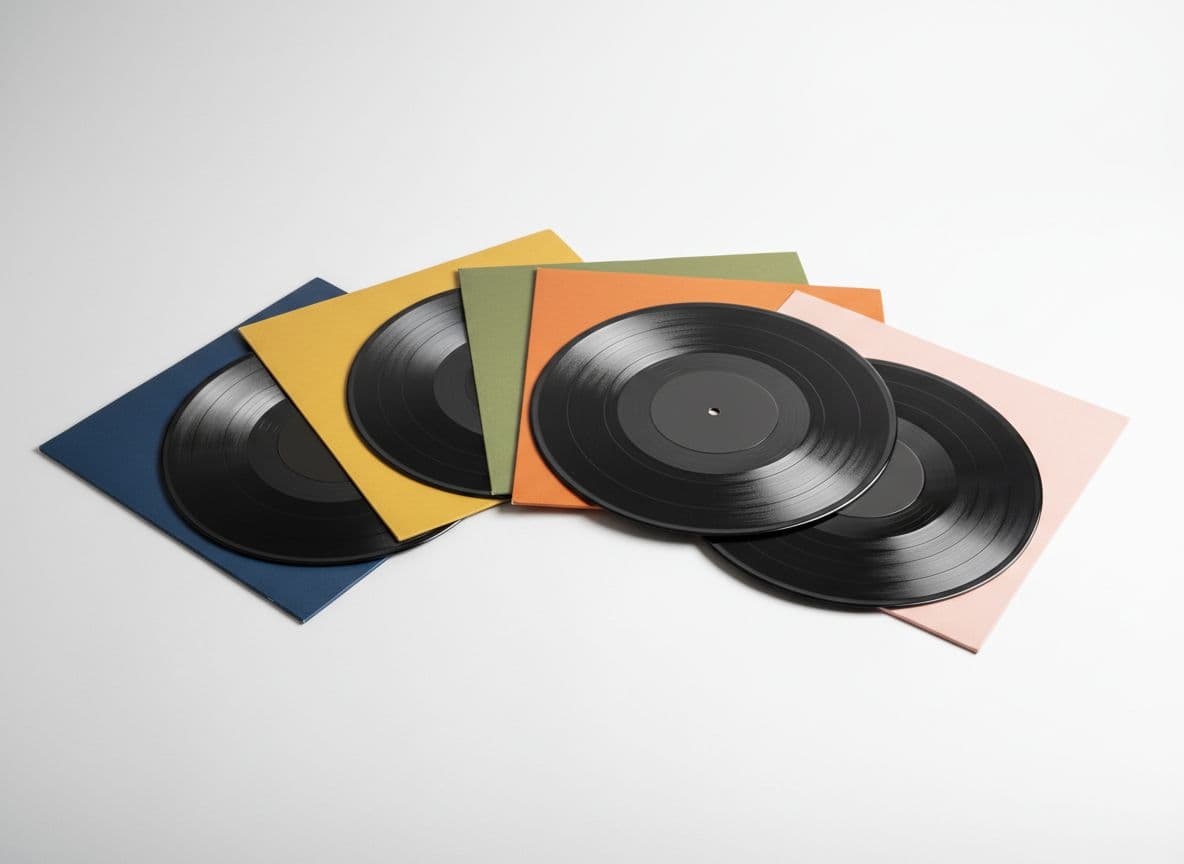
Vinyl records have made a remarkable comeback, with sales growing every year since 2007 and surpassing CD sales in revenue. This resurgence has driven up prices for both collectible and common records. Many people sitting on record collections from the 1960s-80s don't realize how much some of their records are worth. A first pressing of Pink Floyd's 'Dark Side of the Moon' on UK Harvest can fetch $500+. Original Blue Note jazz pressings regularly sell for $1,000-$10,000. Even records that seem common - like a Beatles 'White Album' - can be worth hundreds if it's an early pressing in good condition. Knowing the pressing and condition of your vinyl is the difference between selling for $5 and selling for $500.
Key Factors That Affect Vinyl Records Value
Understanding what drives the price of vinyl records helps you get the most accurate valuation.
Pressing & Label Variation
First pressings are almost always the most valuable. Label variations (color, text, logo design) identify different pressings. For example, a UK first pressing of Led Zeppelin I on turquoise Atlanticlettering is worth far more than a later orange/green reissue. Matrix numbers in the runout groove are key identifiers.
Vinyl Condition
Record condition is graded Mint (M), Near Mint (NM), Very Good Plus (VG+), Very Good (VG), Good (G), Fair (F), and Poor (P). A NM record is typically worth 4-5x a VG copy and 10-20x a G copy. Even light scratches that are audible during playback significantly reduce value.
Cover & Insert Condition
The album cover, inner sleeve, and any inserts (posters, stickers, lyric sheets) all affect value. Split seams, ring wear (circular impression from the record), water damage, and writing on the cover reduce value.complete original packaging with all inserts commands a premium.
Genre & Rarity
Certain genres are more collectible: original jazz pressings (Blue Note, Prestige, Impulse!), psychedelic rock, punk, and early electronic music command premium prices. Private press records (self-released by the artist in small quantities) are often the rarest and most valuable finds.
Country of Origin
UK and original-country pressings are typically worth more than US or international reissues. Japanese pressings are prized for audio quality and inclusion of OBI strips. Some countries had limited releases that are now extremely rare and valuable to international collectors.
Tips for Valuing Vinyl Records
Get the most accurate valuation by following these tips when photographing your vinyl records.
Photograph the album cover front clearly showing the title and artist
Include the record label (center of the vinyl) for pressing identification
Show any matrix/catalog numbers on the label or spine
Note the condition of both the vinyl and the cover
Vinyl Records Market Insights
The vinyl market is robust and growing, powered by both collectors and a new generation discovering analog music. Discogs, the primary online marketplace for records, processes millions of transactions annually and provides transparent pricing data. Rare records continue to set records at auction, with a sealed copy of The Beatles' 'White Album' No. 0000001 selling for $790,000. The new vinyl market is also booming, with limited color variants and indie-exclusive pressings creating instant collectibles. Original pressings of classic albums from the 1960s-70s remain the bedrock of the market.
Notable Vinyl Records Values
Real-world examples of what specific vinyl records have sold for, so you can benchmark your own.
| Vinyl Record | Condition | Typical Value |
|---|---|---|
| The Beatles – 'Yesterday and Today' (Butcher Cover) | Stereo, sealed | $10,000 – $125,000 |
| First-press classic rock LP (Zeppelin, Pink Floyd) | Near Mint | $50 – $400 |
| Northern Soul / rare funk 45 | VG+ to NM | $100 – $5,000+ |
| Reissue / modern repress | Sealed | $20 – $40 |
| Common classic LP (well-known albums) | VG | $3 – $15 |
| Jazz Blue Note original (Lexington/47 West) | VG+ | $200 – $4,000 |
| Sealed original first pressing (any era) | Sealed | 2x – 10x open copy |
Based on Discogs sold history and auction data. Pressing/matrix details and condition separate $5 records from $500 ones.
Find Out What Your Vinyl Records Are Worth
Upload a photo now and get a free AI-powered valuation in seconds. No sign-up required.
Vinyl Records Valuation FAQ
Are my old vinyl records worth anything?
Many vinyl records have value, especially original pressings, records from the 1950s-70s, and genres like jazz, blues, punk, and psychedelic rock. Even common classic rock albums in excellent condition can fetch $20-50.
What makes a vinyl record valuable?
Key factors include: first pressing vs. reissue, condition of vinyl and cover, rarity, label variations, and genre. Records that were pressed in small quantities or recalled are often the most valuable.
How does condition affect vinyl record value?
Condition is critical. A mint condition record can be worth 10-50x more than the same record in poor condition. The Goldmine grading scale (Mint, Near Mint, VG+, VG, Good, Fair, Poor) is the standard for evaluating records.
How do I identify a first pressing?
Check the matrix/runout numbers etched in the dead wax area near the label. Cross-reference these with databases like Discogs. Also look at the label design - record labels changed their visual design over the years, so the label style helps date the pressing. Catalog numbers on the spine and back cover also vary between pressings.
Should I clean my vinyl records before selling?
Yes, but carefully. Gently cleaning records with a proper record cleaning solution and microfiber cloth can improve both sound quality and value by removing surface dust and grime. Never use household cleaners, paper towels, or abrasive materials. A professional-grade record cleaning machine gives the best results for valuable records.
Vinyl Records Price Guides
Vinyl Records Guides & Articles
Value anything, anytime
Unlimited valuations, saved history and full reports in the free app.