Last updated: September 2026
How Much Is a Jukebox Worth?
Vintage jukeboxes. Especially the iconic bubble-top Wurlitzers and Rock-Olas of the 1940s-50s. Are among the most visually spectacular collectibles. They're functional art pieces that play music, light up, and transport you to another era. Our AI identifies your jukebox's brand, model, and era for a market valuation.
Get the free app for unlimited scans


Compare real prices
See what jukeboxes are listed for right now
Affiliate link: we earn a commission if you buy, at no extra cost to you.
What do you want to value?
Get the free app for unlimited scans
Why Knowing Your Jukeboxes Value Matters
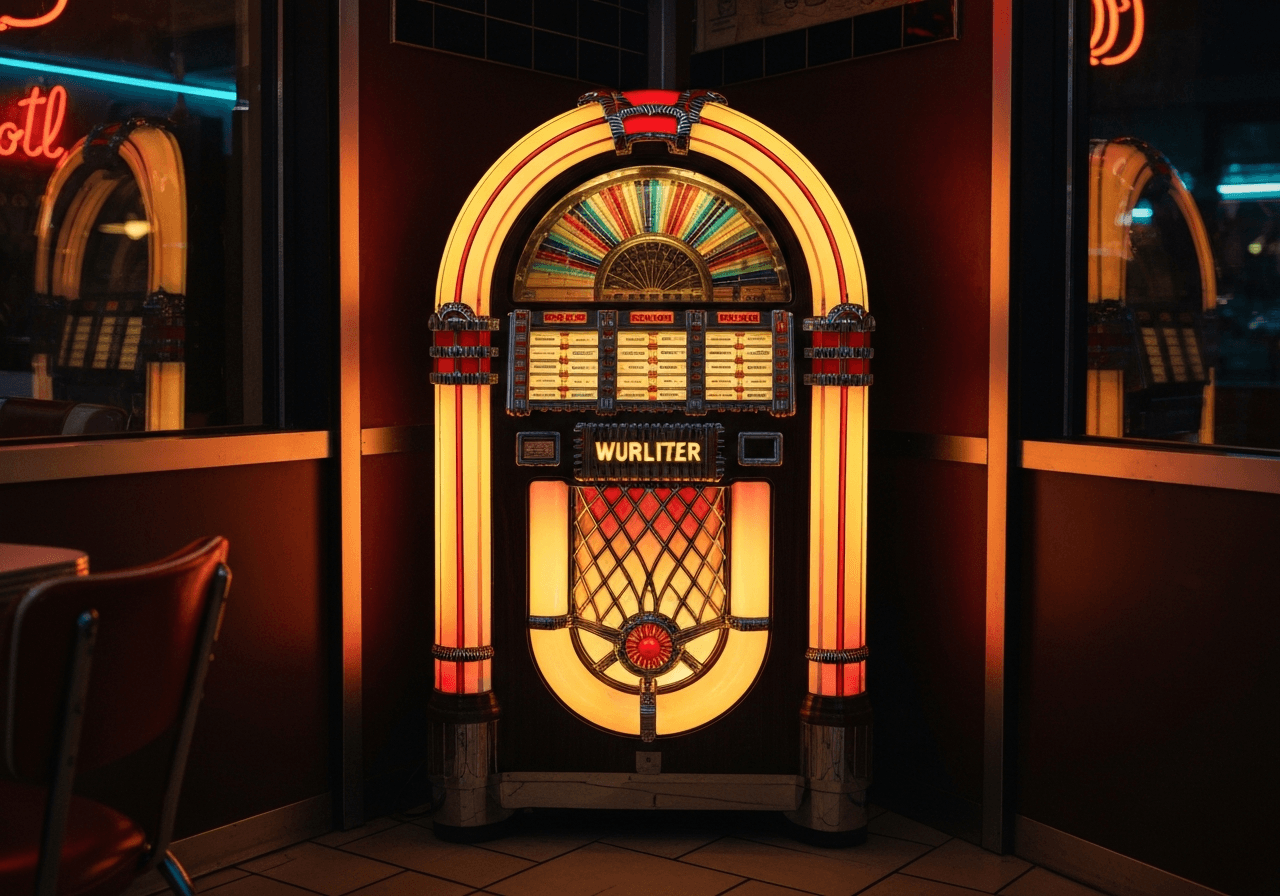
Vintage jukebox values depend heavily on era and brand. The iconic Wurlitzer 1015 'bubbler' (1946): $5,000-$15,000+ restored. Seeburg models from the 1950s: $2,000-$10,000+. Rock-Ola: $1,000-$8,000+. AMI: $1,000-$5,000+. Even less desirable 1970s-80s jukeboxes sell for $500-$2,000 in working condition. Restoration quality dramatically affects value. A professionally restored Wurlitzer is worth 2-3x an unrestored example. Non-working jukeboxes still have significant value as restoration projects.
Key Factors That Affect Jukeboxes Value
Understanding what drives the price of jukeboxes helps you get the most accurate valuation.
Brand & Model
Wurlitzer 1015 'Bubbler' ($5K-$15K+ restored). Wurlitzer 1100 ($4K-$10K+). Seeburg M100A/B/C ($3K-$8K+). Seeburg Trashcan/Trash Can ($3K-$10K+). Rock-Ola 1422/1426 ($2K-$6K+). AMI Continental ($2K-$5K+). 1970s-80s models: $500-$2K.
Era
1930s-40s (Art Deco, wood cabinet): $2K-$20K+. 1940s-50s (chrome and bubbles, golden age): $3K-$15K+. 1960s (space age design): $1K-$5K+. 1970s (solid-state, less chrome): $500-$2K. 1980s+: $500-$1.5K. The 1940s-50s are the golden age of jukebox design and value.
Working Condition
Fully restored, all mechanisms working, all lights functioning: top value. Working but needs some attention: 60-80% of restored value. Not working but complete: 40-60%. Missing components or partially disassembled: 20-40%.
Restoration Quality
Professionally restored (chrome replated, new caps, rebuilt mechanism): full value. Partially restored: varies. Original unrestored but working: 50-70% of restored value (some purists prefer original). Poor/amateur restoration can actually reduce value below unrestored.
Records Included
Original 45s or 78s loaded in the jukebox add modest value ($50-$200 for good selections). Rare records in a jukebox can occasionally be worth checking individually.
Tips for Valuing Jukeboxes
Get the most accurate valuation by following these tips when photographing your jukeboxes.
Note the brand and model number. This is printed on a plate inside or on the back
Check if it powers on and plays. Working condition is the biggest value factor
Photograph the front, sides, and mechanism visible through glass
Don't attempt repairs if you're not experienced. Jukebox mechanisms are complex
Jukeboxes Market Insights
The jukebox market is driven by nostalgia, interior design, and the experience of coin-operated music. Restored jukeboxes are popular in home game rooms, bars, and restaurants. The 1946 Wurlitzer 1015 is the most iconic and valuable standard production jukebox. The restoration industry supports the market with parts availability and expertise. Prices for quality restored examples have been stable to appreciating. The machines' size and weight limit the buyer pool but also mean fewer are casually discarded.
Find Out What Your Jukeboxes Are Worth
Upload a photo now and get a free AI-powered valuation in seconds. No sign-up required.
Jukeboxes Valuation FAQ
What jukeboxes are worth the most?
Wurlitzer 1015 'Bubbler' ($5K-$15K+ restored), Wurlitzer 850 Peacock ($10K-$30K+), Seeburg Trashcan ($3K-$10K+). Any Art Deco wooden jukebox from the 1930s-40s: $2K-$20K+. The 1946 Wurlitzer 1015 is the most recognized jukebox design in the world.
Is my non-working jukebox still worth something?
Yes. Non-working jukeboxes are worth 40-60% of restored value as restoration projects. Even partially disassembled machines have value for their cabinets, chrome, and mechanisms. A non-working Wurlitzer 1015 is still worth $2K-$5K.
How much does jukebox restoration cost?
Full professional restoration: $2,000-$8,000+ depending on model and condition. Chrome replating alone: $500-$2,000. Mechanism rebuild: $500-$1,500. The total investment often makes sense. A $2K unrestored Wurlitzer becomes a $10K+ restored one.
Where can I sell a jukebox?
Specialty jukebox dealers buy and consign. eBay for national reach (but shipping a 300+ lb jukebox is expensive). Craigslist/Facebook Marketplace for local sales. Auction houses handle high-end machines. GameRoomInfo.com and JukeboxWorld.com have classified sections.
Are modern reproductions worth collecting?
Reproduction jukeboxes (Rock-Ola and others make new ones) are functional entertainment pieces worth $2K-$8K new. They depreciate like appliances and are worth 40-60% of retail after a few years. Original vintage jukeboxes are better investments.
Value anything, anytime
Unlimited valuations, saved history and full reports in the free app.