Last updated: September 2026
How Much Is My Saxophone Worth?
Whether you have a vintage Selmer Mark VI, a Yamaha YAS-62, a student Bundy, or any other saxophone, our AI analyzes the brand, model, type, and condition to provide an accurate market valuation. From inherited horns to professional instruments, get a fair price before selling or trading in.
Get the free app for unlimited scans


Compare real prices
See what saxophones are listed for right now
Affiliate link: we earn a commission if you buy, at no extra cost to you.
What do you want to value?
Get the free app for unlimited scans
Why Knowing Your Saxophones Value Matters
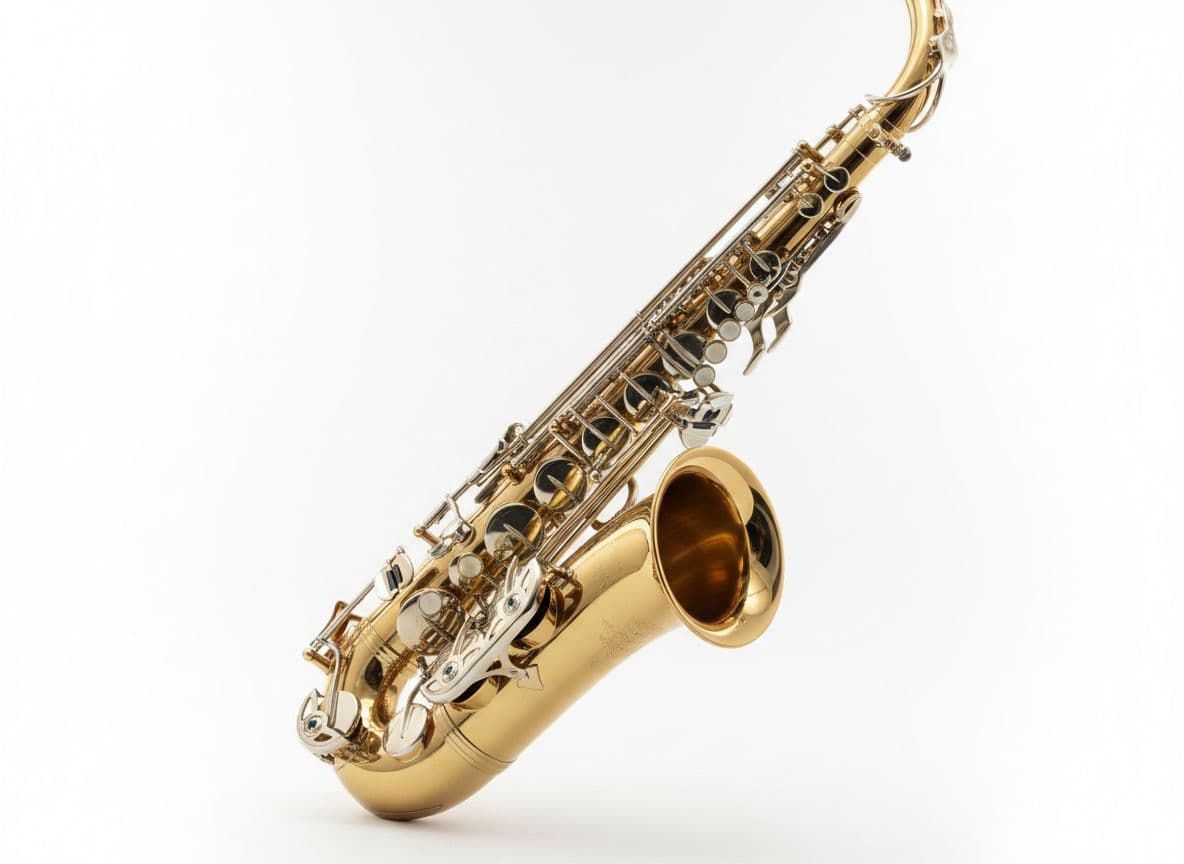
Saxophones are among the most commonly inherited musical instruments, and the value range is staggering. A vintage Selmer Mark VI tenor saxophone. Considered the holy grail by jazz players. Can be worth $5,000-$15,000+, while a student-grade Bundy or Vito of similar age might only be worth $100-$300. Many families have saxophones in closets from school band days or inherited from relatives, and without knowledge of the brand and model hierarchy, these instruments get sold for a fraction of their value at garage sales and pawn shops. The saxophone market is well-established with clear brand tiers: vintage French Selmers at the top, followed by professional Yamaha and Yanagisawa models, then student and intermediate instruments. Condition matters enormously. A saxophone with sticky pads, bent keys, or a dented body loses significant value, yet a professional overhaul ($500-$1,500) can restore full value on a quality horn. Serial numbers are particularly important for Selmer saxophones, as they determine the exact model and production year, which directly impacts value.
Key Factors That Affect Saxophones Value
Understanding what drives the price of saxophones helps you get the most accurate valuation.
Brand & Model
Selmer Paris is the most valuable brand, with the Mark VI (1954-1974) being the most sought-after saxophone ever made ($5,000-$15,000+ for tenors). Selmer Reference, Series II, and Series III are also highly valued ($2,500-$6,000). Yamaha professional models (62 series, Custom Z, Custom EX) hold value well ($1,500-$4,000). Yanagisawa professional models are undervalued relative to their quality. Student brands (Bundy, Vito, Jupiter, Jean Paul) have minimal resale value ($100-$400).
Type & Key
Tenor saxophones are the most valuable and liquid in the used market, followed by alto. Soprano saxophones have a smaller but dedicated market. Baritone saxophones command high absolute prices ($2,000-$8,000+ for professional models) but have a narrower buyer pool due to their size and specialization. Alto is the most common type, making the market more competitive for sellers.
Condition & Playability
A saxophone in playing condition with good pads, functioning keys, and no leaks is worth significantly more than one needing repair. Professional overhauls (complete repad, key adjustment, dent removal) cost $500-$1,500 and can double the value of a quality horn. Dents in the body or bell reduce value, with neck dents being the most problematic. Original lacquer condition matters for collectors. Relacquering reduces collector premium on vintage instruments.
Serial Number & Vintage Status
For Selmer saxophones, the serial number determines the exact model and year of manufacture. Early Mark VI serial numbers (below 100,000) are the most valuable. Different serial ranges correspond to known periods of exceptional quality. Vintage American horns (Conn, King, Buescher) from the 1920s-1950s have collector value. The serial number also confirms authenticity, as counterfeit Selmers exist.
Accessories & Completeness
Original case, mouthpiece, ligature, and neck add value. Professional mouthpieces (Otto Link, Jody Jazz, Vandoren) add $50-$300 in value. Vintage Selmer mouthpieces are collectible in their own right. Extra necks for Selmer Mark VI saxophones are particularly valuable. A complete package with case, mouthpiece, reeds, and accessories sells faster and for more.
Tips for Valuing Saxophones
Get the most accurate valuation by following these tips when photographing your saxophones.
Photograph the saxophone showing the full body, bell, keys, and neck from the front and back
Include a close-up of the brand engraving on the bell and the serial number (usually on the back of the body near the thumb rest)
Show the condition of the pads (visible when keys are open), any dents, and the lacquer condition
Photograph the case, mouthpiece, ligature, and any accessories included with the saxophone
Saxophones Market Insights
The saxophone market is centered on specialized platforms and communities. Reverb.com, SaxQuest, USA Horn, and GetASax are the primary dealers and marketplaces. eBay handles high volume but lacks the expertise of specialized dealers. Facebook saxophone groups facilitate direct sales between players. The vintage Selmer Mark VI market remains the gold standard. Prices have increased steadily as the surviving supply of these 1954-1974 instruments slowly decreases while demand from jazz and professional players persists. The professional Yamaha market is strong and stable, with the Custom Z and Custom EX lines competing with Selmer for working professionals. Student instrument resale is challenging due to abundant supply. Music stores, school programs, and pawn shops create a flooded market for student-grade horns. If you have inherited a saxophone, checking the brand and serial number before selling is essential to determine if you have a $200 student horn or a $10,000 vintage treasure.
Notable Saxophones Values
Real-world examples of what specific saxophones have sold for, so you can benchmark your own.
| Saxophone | Condition | Typical Value |
|---|---|---|
| Selmer Paris Mark VI Alto Saxophone (1954-1974) | Vintage, Relacquered | $4,000 - $9,000 |
| Selmer Paris Mark VI Tenor Saxophone (1954-1974) | Vintage, Original Lacquer | $6,000 - $15,000+ |
| Yamaha YAS-62 Alto Saxophone | Used, Good | $800 - $1,400 |
| Conn 6M 'Lady Face' Alto Saxophone (1930s-1940s) | Vintage, Restored | $1,500 - $4,000 |
| Yanagisawa 901/A-901 Alto Saxophone | Used, Good | $700 - $1,200 |
| Jupiter JAS-500 Alto Saxophone (Student Model) | Used, Fair to Good | $150 - $350 |
| Selmer Paris Serie II / Series II Tenor Saxophone | Used, Good | $2,500 - $4,500 |
| King Super 20 Tenor Saxophone (1950s-1960s) | Vintage, Player Condition | $1,800 - $4,500 |
| Yamaha YTS-23 Tenor Saxophone (Student Model) | Used, Fair to Good | $200 - $450 |
Based on eBay sold listings, Reverb.com sales data, and vintage saxophone dealer price guides.
Find Out What Your Saxophones Are Worth
Upload a photo now and get a free AI-powered valuation in seconds. No sign-up required.
Saxophones Valuation FAQ
How do I know if my saxophone is valuable?
Check the brand name engraved on the bell. Selmer Paris (not Selmer USA/Bundy), Yamaha professional models (62, Custom Z, Custom EX), and Yanagisawa are the most valuable. Then check the serial number. For Selmers, this determines if you have a coveted Mark VI or another model. Professional-grade saxophones from any era in good condition hold significant value. Student brands (Bundy, Vito, Jupiter, Conn student models) have limited resale value.
What is a Selmer Mark VI worth?
Selmer Mark VI values depend on type and serial number range. Alto Mark VIs typically sell for $4,000-$10,000. Tenor Mark VIs command $5,000-$15,000+, with certain serial ranges reaching $20,000. Soprano and baritone Mark VIs are rarer and command corresponding premiums. Condition, original lacquer percentage, and neck straightness significantly affect value within these ranges. Early serial numbers are generally more valuable.
Should I get my saxophone repaired before selling?
For professional-grade instruments worth $2,000+, a professional overhaul ($500-$1,500) typically increases the sale price by more than the repair cost. For student instruments worth $200-$500, extensive repairs may not be economical. Sell as-is with an honest condition description. Minor fixes like replacing a few pads ($20-$50 each) or adjusting key alignment can improve playability enough to justify a higher asking price.
Where should I sell my saxophone?
For professional and vintage saxophones, Reverb.com and specialized dealers (SaxQuest, USA Horn) reach the right buyer audience and provide fair market exposure. eBay works for all price ranges. Facebook saxophone groups facilitate player-to-player sales. Local music stores may buy or consign quality instruments. Pawn shops and general secondhand stores typically pay far below market value for saxophones. Avoid them if your horn has significant value.
Is a vintage saxophone always worth more than a modern one?
Not necessarily. While the Selmer Mark VI is the most valuable saxophone regardless of age, many vintage student and intermediate instruments are worth less than modern professional models. A new Yamaha Custom Z ($4,000-$5,000) is worth more than most vintage saxophones. Vintage value depends on the specific maker and model. A 1960s Conn or King professional model might be worth $500-$2,000, while a vintage Bundy is worth $100-$200.
Saxophones Price Guides
Value anything, anytime
Unlimited valuations, saved history and full reports in the free app.