Last updated: September 2026
How Much Is My Guitar Amplifier Worth?
Whether you have a vintage Fender Twin Reverb, a Marshall JCM800, a Vox AC30, a Mesa Boogie, or any other guitar amplifier, our AI analyzes the brand, model, era, and condition to provide an accurate market valuation. From inherited tube amps to modern digital units, get the right price before selling.
Get the free app for unlimited scans


Compare real prices
See what guitar amplifiers are listed for right now
Affiliate link: we earn a commission if you buy, at no extra cost to you.
What do you want to value?
Get the free app for unlimited scans
Why Knowing Your Guitar Amplifiers Value Matters
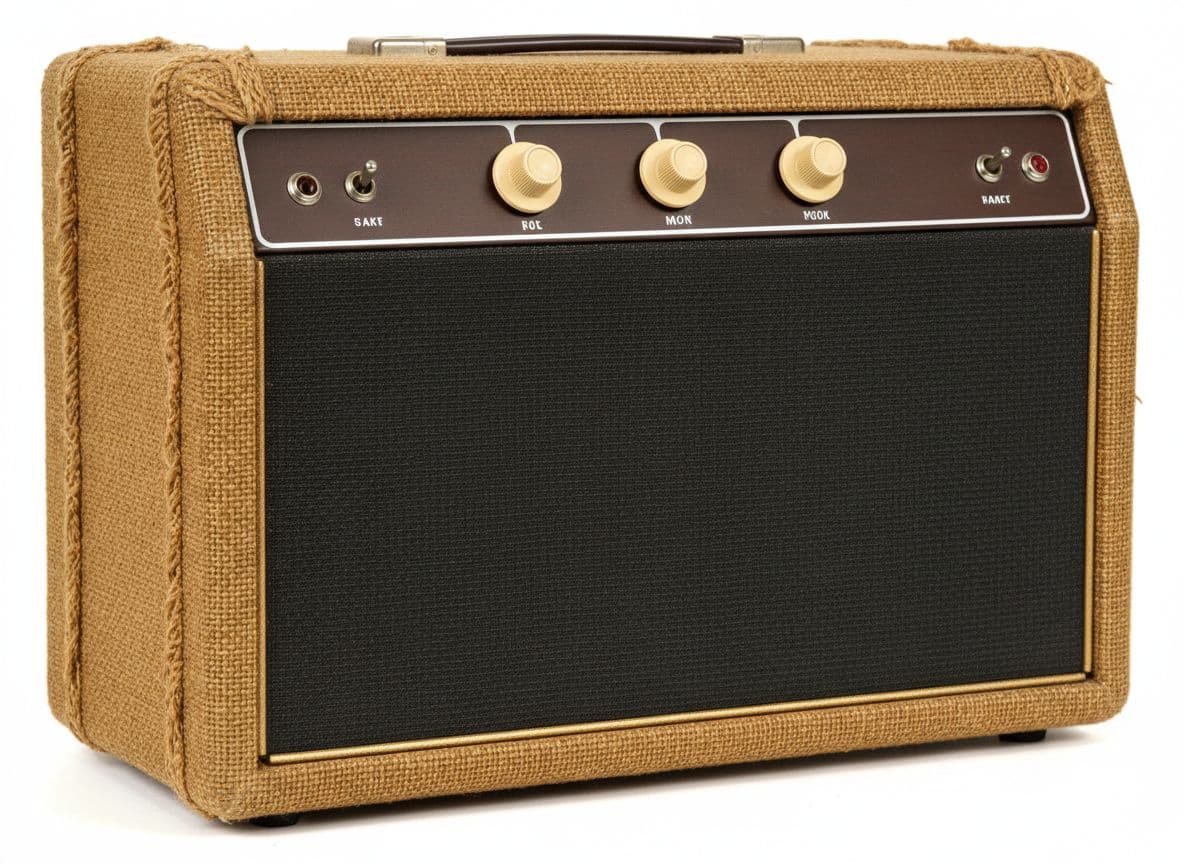
Guitar amplifiers. Particularly vintage tube amps. Are among the most valuable and sought-after pieces of musical equipment. A 1960s Fender Twin Reverb or Deluxe Reverb can be worth $2,000-$5,000+, and rare vintage amps like a 1959 Fender Bassman or Marshall JTM45 can fetch $5,000-$20,000+. The vintage amp market is driven by players who believe older components. Transformers, speakers, and hand-wired circuits. Produce superior tone that modern amps cannot replicate. However, not all old amps are valuable. Mass-produced solid-state amps from the 1980s-1990s and budget practice amps from any era have minimal value. The key is understanding the difference between a desirable vintage tube amp and a common transistor amp that happens to be old. Many amps are inherited or found in estates where the owner had no idea of their value. A single Fender Tweed amp found in an attic can be worth more than everything else in the estate combined.
Key Factors That Affect Guitar Amplifiers Value
Understanding what drives the price of guitar amplifiers helps you get the most accurate valuation.
Brand & Model
Fender, Marshall, Vox, and Mesa Boogie are the most valuable amp brands. Fender blackface and silverface amps (1964-1980) are the most actively traded vintage amps. Marshall Plexi, JTM45, and JCM800 models are iconic rock amps with strong values. Vox AC30 and AC15 amps hold value well. Boutique brands (Dumble, Two-Rock, Matchless, Dr. Z) command premium prices. Solid-state amps from most brands have significantly lower value.
Era & Circuit Type
Tube (valve) amplifiers are dramatically more valuable than solid-state amps. Within tube amps, hand-wired circuits are more valuable than printed circuit board (PCB) designs. Fender amps follow a clear era hierarchy: tweed (1950s) is most valuable, then blackface (1964-1967), then silverface (1968-1980). Marshall amps peak with Plexi (1965-1969) and JTM45 (1962-1965) models. The general rule is that older, simpler, hand-wired tube amps command the highest prices.
Condition & Originality
For vintage amps, originality is paramount. An amp with all original components. Transformers, speakers, capacitors, and tubes. Is worth 30-50% more than one with replaced parts. However, safety capacitor replacements and tube replacements are expected maintenance and do not reduce value. Speaker reconing or replacement with non-original speakers reduces value. Cabinet condition (tolex, grille cloth, hardware) affects value cosmetically.
Speakers & Tubes
Original vintage speakers (Jensen, Oxford, CTS, Celestion) add significant value. A Fender amp with original Jensen speakers is worth more than one with replacement speakers. The tubes themselves matter. A set of vintage Mullard, RCA, or GE tubes can be worth $50-$200+ and add value to the amp. The output transformer is the heart of a tube amp. Original transformers are critical for collector value.
Functionality & Sound
A fully functional amp that produces great tone is worth more than one with issues.common problems. Scratchy pots, intermittent connections, microphonic tubes, and hum. Are normal wear and relatively inexpensive to fix. Failed output transformers, burnt transformers, or damaged circuits are expensive repairs that significantly reduce value. An amp that sounds exceptional may command a premium beyond its model's average market price.
Tips for Valuing Guitar Amplifiers
Get the most accurate valuation by following these tips when photographing your guitar amplifiers.
Photograph the amp from the front showing the grille cloth, control panel, and overall cabinet condition
Include close-ups of the control panel showing knobs, switches, model name, and serial number
Show the back panel with speaker configuration, tubes (if visible), and any modification or service stickers
Photograph the chassis from underneath or above (if accessible) to show transformers and circuit condition
Guitar Amplifiers Market Insights
The vintage guitar amplifier market is centered on Reverb.com, which provides the most comprehensive pricing data for used musical equipment. eBay handles high volume across all price ranges. Guitar Center's used program and local music stores buy and sell used amps. The vintage amp market has remained strong as players continue to value tube-driven tone despite advances in digital modeling. Fender blackface amps (Deluxe Reverb, Twin Reverb, Super Reverb) are the most actively traded vintage amps with predictable values. Marshall JCM800 amps have appreciated significantly as classic rock tones remain in demand. Boutique and hand-wired amps (Dumble, Two-Rock, Matchless) have cult followings with prices to match. The digital modeling market (Kemper, Line 6 Helix, Neural DSP) has not significantly dampened vintage tube amp values, as many players want the real thing. If you have inherited an amplifier, checking the brand and model on Reverb's price guide before selling is the essential first step.
Notable Guitar Amplifiers Values
Real-world examples of what specific guitar amplifiers have sold for, so you can benchmark your own.
| Guitar Amplifier | Condition | Typical Value |
|---|---|---|
| Fender 1959 Bassman (Original) | Used / Serviced | $2,500 - $6,000 |
| Marshall 1959 Super Lead 100W "Plexi" | Used / All-Original | $5,000 - $14,000+ |
| Vox AC30 Top Boost (1960s) | Used / Restored | $2,000 - $5,500 |
| Fender Deluxe Reverb (1965-1967 Blackface) | Used / Original | $1,500 - $3,500 |
| Mesa/Boogie Mark IIC+ (1983-1985) | Used | $3,000 - $7,000+ |
| Fender Blues Junior (Current Production) | Used | $250 - $450 |
| Marshall DSL40CR (Current Production) | Used | $350 - $550 |
| Dumble Overdrive Special (Handbuilt) | Used / Authenticated | $30,000 - $80,000+ |
| Fender Twin Reverb (1968-1972 Silverface) | Used | $700 - $1,600 |
Based on eBay sold listings, Reverb.com sales data, and vintage guitar auction records (Heritage, Gruhn, Bonhams).
Find Out What Your Guitar Amplifiers Are Worth
Upload a photo now and get a free AI-powered valuation in seconds. No sign-up required.
Guitar Amplifiers Valuation FAQ
Are old guitar amps worth money?
Old tube guitar amps from premium brands can be very valuable. Vintage Fender amps from the 1950s-1970s range from $500 to $10,000+. Marshall amps from the 1960s-1980s command $800-$5,000+. Vox AC30 amps hold strong value. However, old solid-state amps, practice amps, and budget brands typically have minimal value ($50-$200) regardless of age. The brand, model, and whether it uses tubes or transistors determine if an old amp is a treasure or just old electronics.
What makes vintage Fender amps so valuable?
Vintage Fender amps are prized for their clean, warm tube tone that recording engineers and players consider the gold standard. Hand-wired circuits with quality transformers, original Jensen or Oxford speakers, and point-to-point wiring produce sounds that modern production methods struggle to replicate. The blackface era (1964-1967) is considered the peak of Fender amp design, with the Deluxe Reverb and Twin Reverb being the most iconic models.
Should I replace the tubes before selling my amp?
If the current tubes work and the amp sounds good, leave them. For vintage amps, original tubes (especially matched sets of vintage Mullard, RCA, or GE tubes) are valuable and should not be replaced. If the amp needs tubes to function, installing a set of current-production tubes ($30-$100 for a set) makes it demonstrable and saleable. A working amp is worth significantly more than one that cannot be tested.
How do I identify my amplifier model and year?
Check the control panel for the brand name and model designation. Fender amps have serial numbers on the chassis and date codes on speakers and transformers. Marshall amps have serial numbers on the back panel. The tube chart inside most amps often has a date code stamp. Reverb.com and amp-specific forums have serial number databases for most major brands. The speaker model numbers and transformer codes can also help date the amp.
Is it safe to turn on a vintage amp that has been sitting for years?
Use caution. Tube amps that have sat for decades may have degraded capacitors that can fail dangerously when powered on. The safest approach is to have a qualified amp technician inspect and reform the electrolytic capacitors before full power-up. A technician can use a variac (variable voltage transformer) to slowly bring up voltage and test components safely. Powering on a vintage amp without this precaution risks damaging valuable transformers.
Guitar Amplifiers Price Guides
Value anything, anytime
Unlimited valuations, saved history and full reports in the free app.