Last updated: September 2026
How Much Is My Trumpet Worth?
Whether you have a Bach Stradivarius, a Yamaha Xeno, a vintage Conn Constellation, or a student trumpet, our AI analyzes the brand, model, and condition to provide an accurate market valuation. From school band instruments to professional horns, get a fair price before selling or trading in.
Get the free app for unlimited scans


Compare real prices
See what trumpets are listed for right now
Affiliate link: we earn a commission if you buy, at no extra cost to you.
What do you want to value?
Get the free app for unlimited scans
Why Knowing Your Trumpets Value Matters
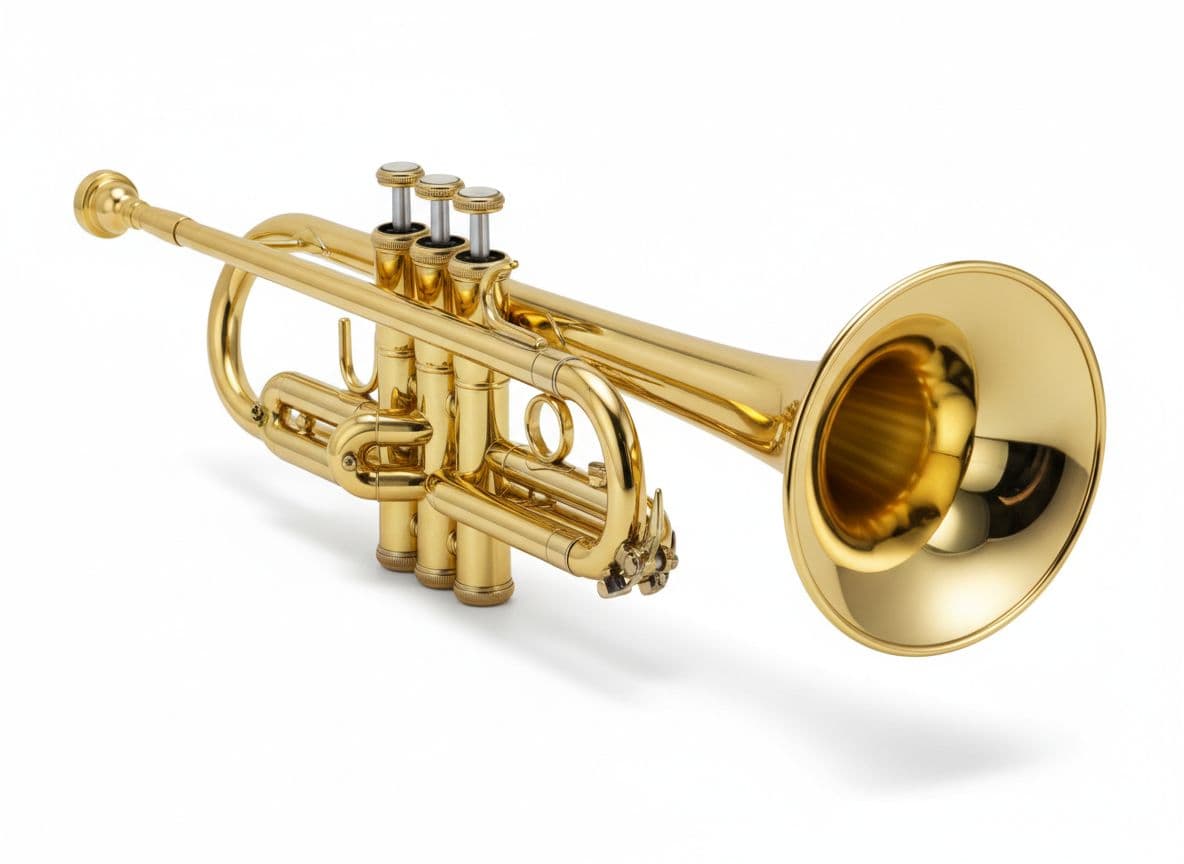
Trumpets are one of the most common band instruments found in households across America. Millions were purchased for school band programs and many sit in closets unused for decades. The value range is significant: a professional Bach Stradivarius trumpet retails for $3,000-$5,000+ and holds 50-70% of its value used, while a generic student trumpet might only be worth $50-$150. Vintage trumpets from brands like Conn, King, and Martin have an active collector market, with certain models from the 1930s-1960s selling for $500-$3,000+. The challenge for sellers is that most people cannot distinguish between a professional-quality horn and a student instrument without checking the model number and brand. Condition matters enormously. Dents, stuck valves, and lacquer damage reduce value, while a recent professional cleaning and valve alignment can increase value by 20-30%. Whether you are selling a child's outgrown school instrument or an inherited professional trumpet, knowing the brand hierarchy and condition factors prevents you from underselling a quality horn or overpricing a basic student model.
Key Factors That Affect Trumpets Value
Understanding what drives the price of trumpets helps you get the most accurate valuation.
Brand & Model
Bach Stradivarius is the gold standard for professional trumpets and holds value best ($1,500-$3,500 used). Yamaha Xeno and professional series are strong ($1,000-$2,500). Vintage Conn, King, and Martin professional models have collector value ($300-$2,000+). Intermediate brands (Bach TR200, Yamaha 4335, Conn Director) bring moderate prices ($200-$600). Student brands (Jupiter, Eastman, generic imports) have limited resale value ($50-$200).
Condition & Playability
Valve action is the most critical functional factor. Smooth, fast, leak-free valves are essential for a playable and sellable trumpet. Dents reduce value proportionally to their severity and location. Bell dents are less critical than valve casing dents. Lacquer condition matters cosmetically but less than functional condition. Slide function (tuning slides move freely) indicates maintenance. A trumpet that plays well in tune with responsive valves is worth significantly more than one with mechanical issues.
Vintage & Collectible Status
Certain vintage trumpets command premium prices from collectors and players. Conn Connstellation models from the 1950s-1960s are highly sought-after. Martin Committee (the 'Miles Davis horn') from the 1940s-1960s can bring $1,000-$3,000+. King Silver Flair models have a following. Bach Stradivarius trumpets from the Mount Vernon, NY factory era (pre-1965) are valued above later Elkhart production. Early Yamaha professional models also have collector interest.
Finish & Appearance
Silver-plated trumpets generally hold value better than lacquered models in the professional market, as many players prefer silver for tone and aesthetics. Gold brass and rose brass bells command modest premiums. Raw brass (deliberately stripped lacquer) is acceptable in some markets. Severely worn or stripped lacquer with green corrosion reduces value. A fresh professional chemical cleaning can restore appearance without affecting collector value.
Mouthpiece & Accessories
A quality mouthpiece (Bach, Schilke, Monette) adds $20-$100+ in value. Original case condition matters. A trumpet in its original fitted case sells better than one in a generic bag. Valve oil, mutes (straight, cup, harmon), and cleaning supplies add convenience value. Original purchase documentation and service records add provenance. A complete package (horn, case, mouthpiece, mutes) is more attractive than a bare instrument.
Tips for Valuing Trumpets
Get the most accurate valuation by following these tips when photographing your trumpets.
Photograph the trumpet from the side showing the full instrument, bell, valves, and slides
Include close-ups of the valve casings, valve buttons, and any brand/model engravings on the bell
Show any dents, lacquer wear, or cosmetic damage clearly. Transparency builds buyer trust
Photograph the case, mouthpiece, and any accessories or mutes included with the sale
Trumpets Market Insights
The used trumpet market follows the school band calendar. Demand increases in August-September as students start fall band season, and again in January for new semester starts. Summer is the slowest period. Reverb.com is the primary online marketplace for used brass instruments, providing price history and seller tools. eBay handles high volume across all price ranges. Local music stores buy and consign quality horns. Facebook brass player groups facilitate direct sales. The professional and vintage market is strong and relatively stable. Quality Bach Stradivarius and vintage American horns maintain consistent demand from serious players and collectors. The student instrument market is oversaturated with cheap imports, making it difficult to sell basic student trumpets for meaningful prices. If you have a quality instrument, getting it professionally cleaned and serviced before selling maximizes your return.
Notable Trumpets Values
Real-world examples of what specific trumpets have sold for, so you can benchmark your own.
| Trumpet | Condition | Typical Value |
|---|---|---|
| Bach Stradivarius 37 Student/Pro Bb Trumpet | Used | $800 - $2,000 |
| Yamaha YTR-2330 Student Bb Trumpet | Used | $150 - $350 |
| Yamaha Xeno YTR-8335 Bb Trumpet | Used | $1,500 - $3,000 |
| King Super 20 Silversonic Vintage Bb Trumpet | Used | $1,200 - $3,500 |
| Conn 22B Coprion Vintage Bb Trumpet | Used | $400 - $1,000 |
| Getzen Eterna 900S Bb Trumpet | Used | $700 - $1,800 |
| Schilke B5 Bb Trumpet | Used | $1,500 - $3,500 |
| Holton T602 Student Bb Trumpet | Used | $75 - $200 |
| Martin Committee Vintage Bb Trumpet | Used | $1,500 - $5,000+ |
Based on eBay sold listings, Reverb.com sales data, and vintage instrument dealer records.
Find Out What Your Trumpets Are Worth
Upload a photo now and get a free AI-powered valuation in seconds. No sign-up required.
Trumpets Valuation FAQ
How much is a used Bach Stradivarius trumpet worth?
Used Bach Stradivarius trumpets (Model 37, 43, 72, etc.) typically sell for $1,500-$3,500 depending on model, condition, and finish. Silver-plated models generally sell for slightly more than lacquer. Mount Vernon era Bachs (pre-1965) can command $2,500-$5,000+ from collectors. Student-level Bach TR300 models are not Stradivarius instruments and are worth $150-$350. Check the model number on the second valve casing to determine the specific model.
Is my old school trumpet worth anything?
Most student trumpets are worth $50-$200 depending on brand and condition.common student brands (Jupiter, Yamaha YTR-2330, Bach TR300, Conn Director) have modest but predictable resale values. Generic imported instruments with no recognized brand name are worth $30-$75. The exception is if you have a professional-grade instrument that was purchased for school use. Always check the model number to verify whether you have a student or professional horn.
How do I know if my trumpet is professional grade?
Check the model number on the second valve casing or bell. Bach Stradivarius (Model 37, 43, 72, etc.), Yamaha Xeno (YTR-8335), and Conn Vintage One are professional models. These have heavier construction, hand-hammered bells, and more precise manufacturing. Professional trumpets feel heavier and more solid than student models. If the trumpet has a two-piece bell (visible seam where the bell meets the branch), it is likely professional grade.
Should I get my trumpet cleaned before selling?
A professional ultrasonic or chemical cleaning ($40-$80) can dramatically improve appearance and adds perceived value worth more than the cleaning cost. At minimum, wipe down the exterior and oil the valves so they move smoothly. Do not attempt to remove dents yourself. Amateur dent work can cause more damage. For valuable instruments, a full clean-oil-adjust service ($75-$150) ensures the trumpet plays its best for buyer testing.
Where should I sell a trumpet?
Reverb.com is the best platform for trumpets. It reaches musicians specifically and has robust pricing data. eBay is effective for all price ranges. Local music stores may offer trade-in or consignment. Facebook brass and trumpet groups connect you with players seeking specific models. School music programs sometimes buy quality used instruments. Pawn shops pay well below market value for brass instruments and should be a last resort.
Value anything, anytime
Unlimited valuations, saved history and full reports in the free app.