Last updated: September 2026
How Much Is My Musical Instrument Worth?
From vintage Gibson and Fender guitars to antique violins, professional-grade brass instruments, and rare acoustic pianos, our AI identifies your instrument's make, model, year, and condition to provide accurate market valuations. Whether you inherited an instrument, found one at an estate sale, or are evaluating your own collection, get a reliable estimate instantly.
Get the free app for unlimited scans


Compare real prices
See what musical instruments are listed for right now
Affiliate link: we earn a commission if you buy, at no extra cost to you.
What do you want to value?
Get the free app for unlimited scans
Why Knowing Your Musical Instruments Value Matters
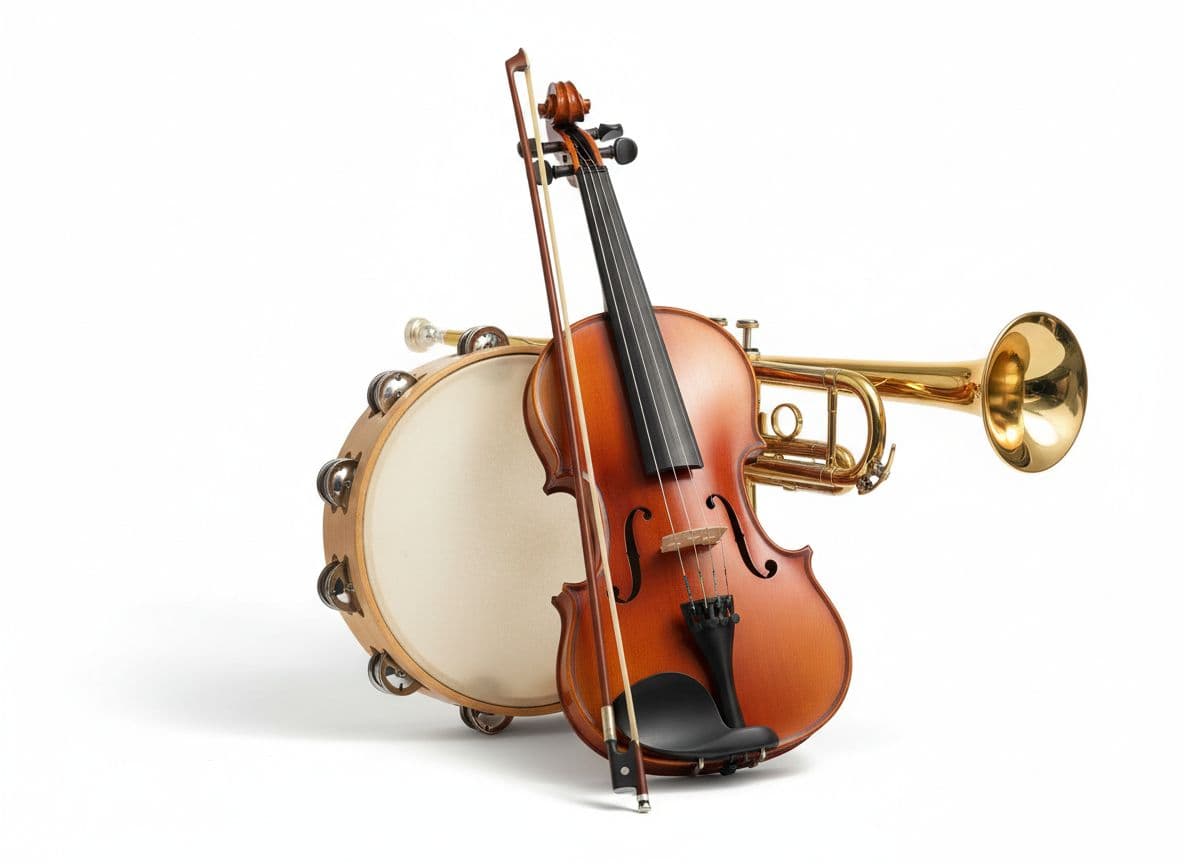
Musical instruments are among the most valuable items found in homes, with certain pieces worth as much as real estate. A Stradivarius violin can sell for $10-$20 million, and even a vintage Gibson Les Paul Standard from 1959 commands $250,000-$500,000. The instrument market is vast and varied - vintage guitars, orchestral string instruments, premium woodwinds, and collectible amplifiers all have active secondary markets. Many people have instruments in closets and attics that could be worth $500-$50,000+. A guitar inherited from a relative might be a common student model worth $50 or a rare vintage piece worth $5,000. Proper identification and valuation is essential before selling, insuring, or even deciding whether to restore an instrument.
Key Factors That Affect Musical Instruments Value
Understanding what drives the price of musical instruments helps you get the most accurate valuation.
Maker & Brand
The manufacturer is the primary value driver. For guitars, Gibson, Fender, Martin, and Gretsch lead the market. For orchestral instruments, makers like Stradivari, Guarneri, and notable modern luthiers define the high end. Band instruments from Selmer, Bach, and Buffet Crampon hold strong value. Piano brands like Steinway, Bosendorfer, and Fazioli command premiums.
Year & Era
Certain production periods are considered peak quality. For Fender guitars, pre-CBS instruments (before 1965) are the most valuable. For Gibson, the late 1950s is the golden era. Martin guitars from the pre-war period (before 1945) are the most sought after. The year of manufacture can multiply value by 10x or more.
Condition & Playability
Instruments in excellent original condition command the highest prices. For guitars, original finish, hardware, pickups, and electronics are essential. Refinished instruments lose 40-60% of their value. For orchestral instruments, structural integrity, neck angle, and setup quality affect both playability and value.
Originality & Modifications
Original, unmodified instruments are the most valuable. Changed pickups, replaced tuners, added binding, and refinishing all reduce value for vintage guitars. For orchestral instruments, original varnish and unaltered construction are preferred. Some modifications (professional neck resets, re-frets) are considered acceptable maintenance.
Provenance & History
Instruments with documented history command premiums. Celebrity-owned instruments can sell for multiples of standard examples. Original purchase receipts, factory order records, and documented performance history add value. Instruments from notable collections or with interesting backstories attract premium buyers.
Tips for Valuing Musical Instruments
Get the most accurate valuation by following these tips when photographing your musical instruments.
Photograph the instrument from multiple angles including headstock, body, and back
Show any labels, serial numbers, or maker's marks inside or on the instrument
Include close-ups of any damage, wear, modifications, or repairs
For electric instruments, show all electronics, pickups, and hardware details
Musical Instruments Market Insights
The musical instrument market is diverse and active. Vintage electric guitars, particularly from Gibson and Fender's golden eras (1950s-1960s), represent the largest and most liquid segment of the collectible instrument market. A 1959 Gibson Les Paul Standard is the market's most iconic and valuable production guitar, regularly selling for $250,000-$500,000. Vintage Fender Stratocasters and Telecasters from the pre-CBS era also command strong prices. The acoustic guitar market has Martin as its benchmark, with pre-war D-28 and D-45 models being the most valuable. The vintage amplifier market runs parallel to guitars, with Fender, Marshall, and Vox amps from the 1950s-60s highly sought after. The orchestral instrument market operates differently, with fine Italian instruments appreciating as investment-grade assets. The piano market has softened for most brands, though Steinway grands maintain their value.
Notable Musical Instruments Values
Real-world examples of what specific musical instruments have sold for, so you can benchmark your own.
| Musical Instrument | Condition | Typical Value |
|---|---|---|
| Fender Stratocaster (USA, 1950s-early 1960s) | Used / Authenticated | $20,000 - $80,000+ |
| Gibson Les Paul Standard (1958-1960 'Burst') | Used / Authenticated | $100,000 - $500,000+ |
| Steinway Model D Concert Grand Piano | Used | $30,000 - $120,000+ |
| Fender American Professional Stratocaster (2017-present) | Used | $900 - $1,400 |
| Stradivarius Violin (authenticated, 1700-1720) | Authenticated | $2,000,000 - $16,000,000+ |
| Selmer Mark VI Alto Saxophone (1954-1974) | Used | $3,500 - $9,000 |
| Ludwig Black Beauty Snare Drum (1920s-1930s) | Used | $1,500 - $5,000 |
| Yamaha P-45 Digital Piano | Used | $350 - $500 |
| Hohner Marine Band Harmonica (vintage, pre-1970) | Used | $40 - $200 |
Based on eBay sold listings, Reverb.com sales data, major auction records (Christie's, Skinner), and published instrument price guides.
Find Out What Your Musical Instruments Are Worth
Upload a photo now and get a free AI-powered valuation in seconds. No sign-up required.
Musical Instruments Valuation FAQ
How do I know if my old guitar is valuable?
Check the headstock for the brand name and look for serial numbers (usually on the headstock, neck plate, or inside the sound hole for acoustics). The brand, model, and year are the primary value indicators. Gibson, Fender, Martin, and Gretsch guitars from the 1950s-60s are the most likely to be very valuable. Our AI can identify most guitars from photos and provide a market value.
Is my old piano worth anything?
Piano values vary enormously. A Steinway grand in good condition can be worth $20,000-$100,000+. Other quality brands like Yamaha, Kawai, and Boston hold reasonable value. However, many older upright pianos from lesser brands have limited market value ($0-$2,000) because the cost of moving and restoring them often exceeds their worth. The brand, type (grand vs. upright), condition, and size all matter.
What are the most valuable musical instruments?
The most valuable include: Stradivari violins ($10-$20 million), 1959 Gibson Les Paul Standards ($250,000-$500,000), pre-war Martin D-45 ($200,000-$500,000), and 1950s Fender Telecasters/Stratocasters ($50,000-$200,000). More accessible valuable instruments include pre-CBS Fender guitars ($5,000-$50,000), vintage Gibson ES models ($3,000-$30,000), and professional-grade orchestral instruments ($1,000-$50,000).
Does refinishing or repairing an instrument hurt its value?
Refinishing a vintage instrument typically reduces its value by 40-60%. Original finish, even with significant wear, is preferred by collectors. Professional repairs that maintain playability (neck resets, fret work, crack repairs) are generally acceptable and can improve value if done well. Amateur repairs or modifications almost always reduce value. When in doubt, consult a specialist before making any changes.
Musical Instruments Guides & Articles
Value anything, anytime
Unlimited valuations, saved history and full reports in the free app.