Last updated: September 2026
How Much Are My Baseball Cards Worth?
From vintage Mickey Mantle rookies to modern Shohei Ohtani cards, our AI identifies your baseball card and provides current market pricing. Perfect for evaluating inherited collections, planning sales, or just knowing what you have.
Get the free app for unlimited scans


Compare real prices
See what baseball cards are listed for right now
Affiliate link: we earn a commission if you buy, at no extra cost to you.
What do you want to value?
Get the free app for unlimited scans
Why Knowing Your Baseball Cards Value Matters
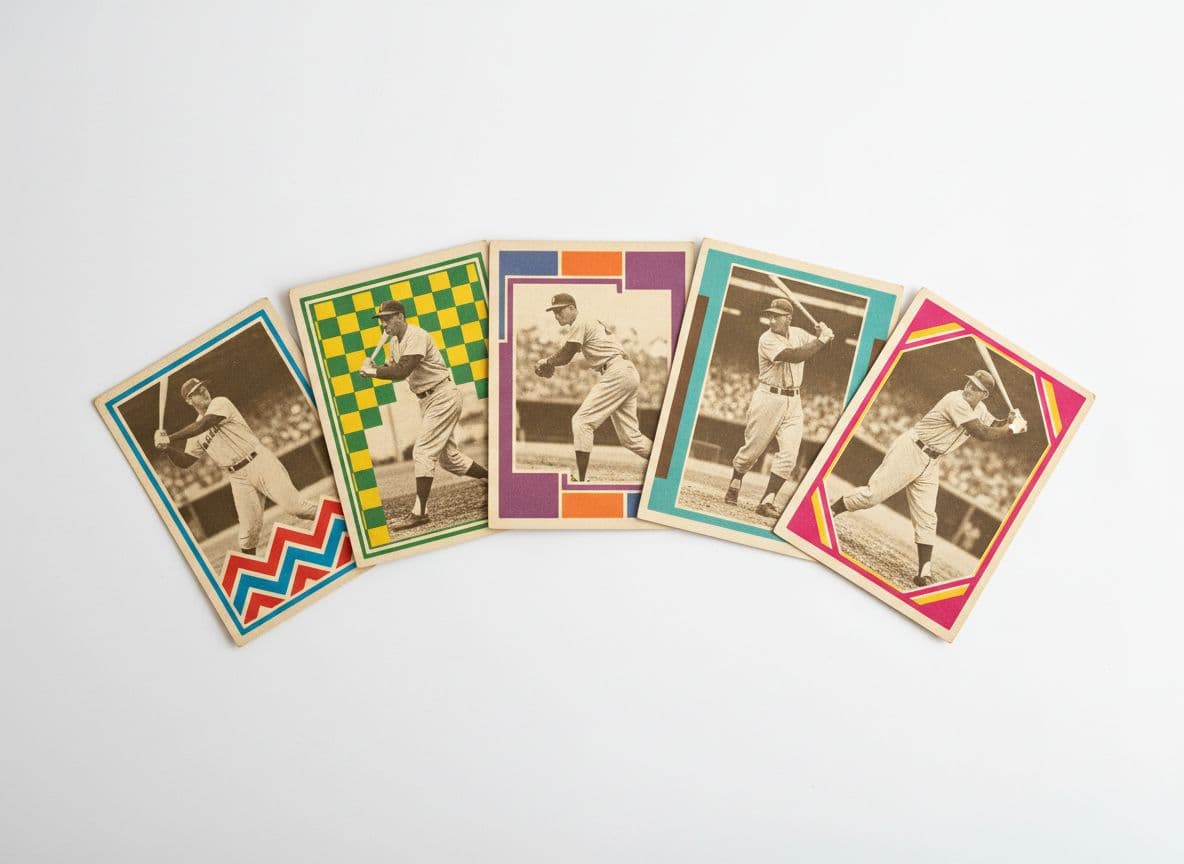
Baseball cards are America's oldest and most established collectible card market, with over 150 years of history. Millions of families have boxes of baseball cards tucked away in attics, basements, and closets. While the infamous 'junk wax era' of the late 1980s and early 1990s left many collections nearly worthless due to massive overproduction, cards from before 1980 and after 2000 can hold significant value. A single vintage rookie card in good condition can be worth more than an entire box of 1989 Topps. Knowing your cards' actual value prevents you from unknowingly discarding or giving away cards worth hundreds or thousands of dollars.
Key Factors That Affect Baseball Cards Value
Understanding what drives the price of baseball cards helps you get the most accurate valuation.
Player & Rookie Status
Rookie cards of Hall of Fame players are the cornerstone of the hobby. The player's career accomplishments, popularity, and cultural impact directly affect card value. A Mickey Mantle rookie is worth millions, while a journeyman player from the same year might be worth pennies.
Year & Manufacturer
Pre-war cards (before 1945) are rare across the board. Topps dominated from 1952-1980 and their key issues are highly collectible. The era of the card matters enormously - 1952-1969 Topps cards in high grade are the most consistently valuable.
Condition & Centering
Card grading (PSA, BGS, SGC) uses a 1-10 scale. For vintage cards, even a PSA 5 or 6 of a key card can be worth thousands. For modern cards, only PSA 9 and 10 typically carry significant premiums over raw cards.
Serial Numbers & Parallels
Modern cards feature numbered parallels (/50, /25, /10, /5, 1/1) that dramatically increase value. Auto-graphed and memorabilia (relic) cards from products like Bowman Chrome, Topps Chrome, and Panini Prizm command premium prices.
Era & Production Volume
Cards from the 'junk wax era' (1987-1993) were printed in such massive quantities that most are nearly worthless. Pre-1970 cards had much lower print runs and higher attrition rates, making survivors more valuable.
Tips for Valuing Baseball Cards
Get the most accurate valuation by following these tips when photographing your baseball cards.
Photograph the front of the card with the player name and team visible
Include the card number and manufacturer logo in the photo
Show the card's corners and edges for condition assessment
For vintage cards, photograph any creases or discoloration
Baseball Cards Market Insights
The baseball card market has experienced a renaissance since 2020, driven by online platforms like eBay and PWCC Marketplace. Modern prospects and rookies see rapid price swings based on player performance. Vintage cards continue their steady appreciation, with pre-1970 high-grade examples setting new records regularly. The integration of sports betting has also increased interest, as fans who follow players closely often become collectors. Japanese star players like Shohei Ohtani have created strong crossover demand between US and international collectors.
Notable Baseball Cards Values
Real-world examples of what specific baseball cards have sold for, so you can benchmark your own.
| Baseball Card | Condition | Typical Value |
|---|---|---|
| 1952 Topps Mickey Mantle (PSA 9) | Mint | $3M – $12M+ |
| 1952 Topps Mickey Mantle (PSA 4) | VG-EX | $80,000 – $200,000 |
| 1909 T206 Honus Wagner | Any graded | $500,000 – $7M+ |
| 1986 Fleer Michael Jordan (basketball crossover) | PSA 10 | $30,000 – $60,000 |
| 1989 Upper Deck Ken Griffey Jr. RC | PSA 10 | $300 – $1,500 |
| Junk-wax era commons (1987–1994) | Near Mint | $0.05 – $1 |
| Modern rookie auto/patch (numbered) | Near Mint | $20 – $5,000+ |
Based on auction-house results and recent graded sold listings. Pre-1970 stars and graded gems carry nearly all the value.
Find Out What Your Baseball Cards Are Worth
Upload a photo now and get a free AI-powered valuation in seconds. No sign-up required.
Baseball Cards Valuation FAQ
Are baseball cards from the 80s and 90s worth anything?
Most cards from the 1987-1993 'junk wax' era have minimal value due to overproduction. However, key rookie cards (Ken Griffey Jr., Derek Jeter) and error cards from this period can still be worth hundreds or thousands.
How do I find the value of vintage baseball cards?
Our AI analyzes the player, year, card manufacturer, condition, and current market demand. For vintage cards (pre-1970), condition is especially important - even a small difference in grade can mean thousands of dollars.
What are the most valuable baseball cards?
The most valuable include the 1952 Topps Mickey Mantle, 1909 T206 Honus Wagner, and rookie cards of all-time greats. Modern valuable cards include top prospect rookie cards with low serial numbers.
Is it worth getting baseball cards graded?
For vintage cards (pre-1980) worth $50+ raw, grading almost always adds value. For modern cards, grading is worthwhile for rookie cards of star players, low-numbered parallels, and autographed cards. PSA and SGC are the most recognized grading services for baseball cards. Expect to pay $20-$50 per card for standard grading.
How should I store my baseball cards to preserve value?
Use penny sleeves inside top-loaders for individual valuable cards. Store bulk cards in card boxes with dividers. Keep everything in a cool, dry place away from direct sunlight. Never use rubber bands, and avoid binders with PVC pages. For high-value cards, consider one-touch magnetic holders.
Baseball Cards Price Guides
Baseball Cards Guides & Articles
Similar Valuations
Value anything, anytime
Unlimited valuations, saved history and full reports in the free app.