Last updated: September 2026
How Much Are My F1 & Racing Cards Worth?
The motorsport trading card market has surged alongside Formula 1's explosive global growth, fueled by the Netflix Drive to Survive series and a new generation of superstar drivers. Our AI analyzes your card's driver, year, set, condition, serial number, and special features (autographs, relics, parallels) to provide an accurate market valuation. Whether you have vintage Ayrton Senna cards, modern Max Verstappen rookies, or classic NASCAR sets, understanding the true value of your racing cards is critical in this rapidly evolving market.
Get the free app for unlimited scans


Compare real prices
See what f1 & racing cards are listed for right now
Affiliate link: we earn a commission if you buy, at no extra cost to you.
What do you want to value?
Get the free app for unlimited scans
Why Knowing Your F1 & Racing Cards Value Matters
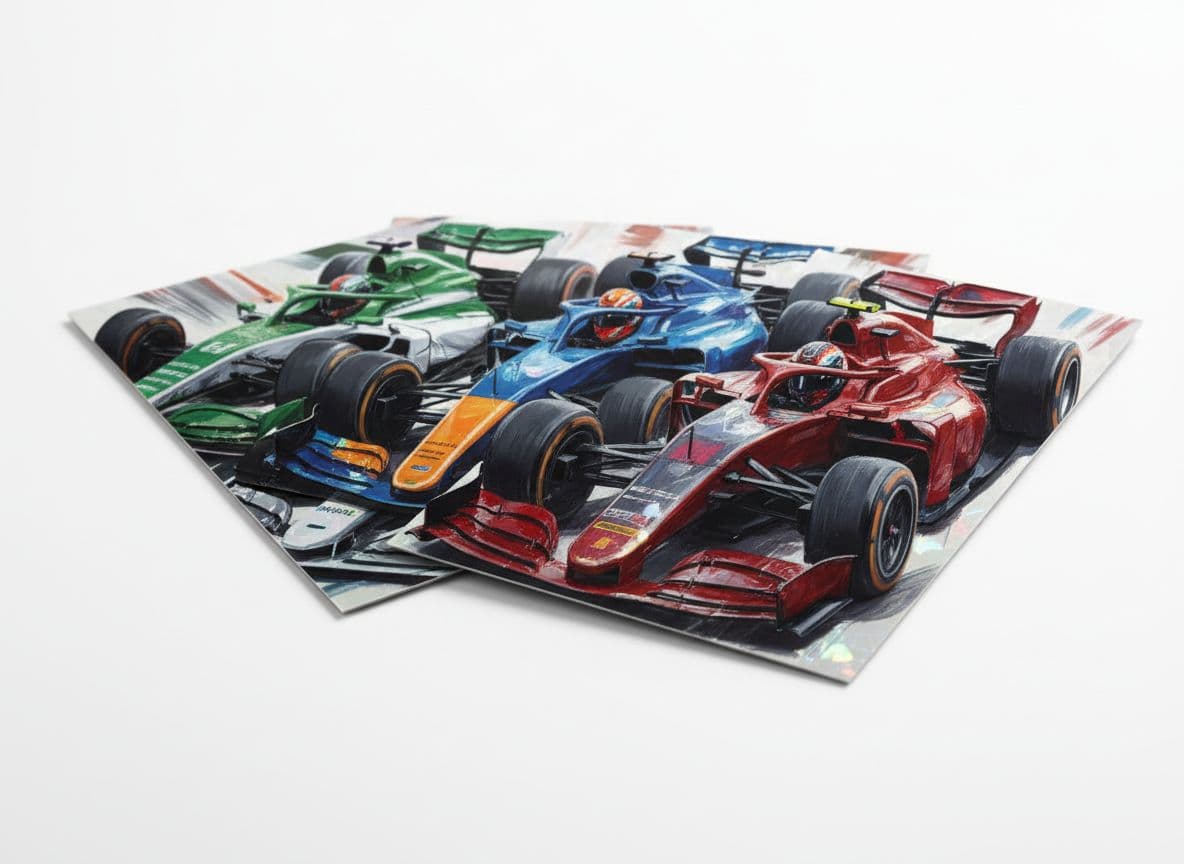
F1 and motorsport trading cards are one of the hottest emerging segments in the sports card hobby. A 2020 Topps Chrome Formula 1 Max Verstappen Superfractor sold for over $275,000, and Lewis Hamilton rookie cards from the 2007 season routinely sell for $2,000–$15,000 depending on the parallel and grade. Even common base cards from popular sets like Topps Chrome F1 can be worth $5–$50 when graded. The market is still young compared to baseball or basketball cards, meaning many collectors are sitting on cards they acquired cheaply that have since appreciated dramatically. Professional grading through PSA or BGS costs $20–$150+ per card and adds significant value. A raw Verstappen rookie worth $200 can sell for $800–$2,000 in a PSA 10 slab. Many casual collectors don't realize their cards' worth, especially vintage racing cards from the 1960s–1990s that were produced in smaller quantities. Our free estimator helps you identify high-value cards before you sell, trade, or submit for grading.
Key Factors That Affect F1 & Racing Cards Value
Understanding what drives the price of f1 & racing cards helps you get the most accurate valuation.
Driver & Era
The featured driver is the primary value driver for racing cards. Current superstars like Max Verstappen, Lewis Hamilton, Charles Leclerc, and Lando Norris command the highest modern card prices. Legendary drivers. Ayrton Senna ($200–$10,000+), Michael Schumacher ($100–$5,000), and Alain Prost ($50–$500). have strong vintage card values. Rookie cards (a driver's first officially licensed trading card) are always the most valuable, often 5–20x more than subsequent year cards.
Card Set & Parallel
The specific product line dramatically affects value. Topps Chrome F1 is currently the most valuable modern F1 set, with base cards worth $2–$20 and numbered parallels worth $50–$5,000+. Topps Dynasty (ultra-premium, low-numbered autograph cards) produces the highest individual card values. Parallels. Color variations with limited print runs. Multiply value: Gold (/50), Orange (/25), Red (/5), and Superfractor (1/1) can be worth 10–1,000x the base card.
Condition & Grade
Card condition is measured on a 1–10 scale by professional grading services (PSA, BGS, SGC). A PSA 10 (Gem Mint) card typically sells for 3–10x more than the same card ungraded. For modern F1 cards, centering is the most common grading issue. Cards with sharp corners, clean surfaces, and perfect centering score highest. Even a PSA 9 vs. PSA 10 can mean a 50–70% price difference for key cards.
Autographs & Relics
Cards featuring authentic driver autographs command significant premiums. An autographed Verstappen Topps Chrome card can sell for $1,000–$50,000+ depending on the parallel. Relic cards containing race-used materials (tire pieces, suit swatches, glove fragments) add $50–$500 in value. Dual autograph cards featuring two legendary drivers together are especially prized by collectors.
Serial Number & Population
Numbered cards (e.g., /99, /25, /10, /5, 1/1) are inherently more valuable due to scarcity. Lower serial numbers within a run (e.g., card #1/25) may carry a small premium. The PSA population report. Showing how many copies have been graded and at what grade. Directly influences market price. Low-population PSA 10 cards of star drivers can appreciate rapidly.
Tips for Valuing F1 & Racing Cards
Get the most accurate valuation by following these tips when photographing your f1 & racing cards.
Photograph the front and back of the card clearly, ensuring any serial numbers, autographs, and parallel colors are visible
If the card is graded (PSA, BGS, SGC), include the slab label in your photo showing the grade and certification number
Handle ungraded cards with clean hands or gloves, and store them in penny sleeves and top-loaders to preserve condition
Note any special features like autographs, race-used relics, or printing plates. These dramatically affect value
F1 & Racing Cards Market Insights
The F1 trading card market has grown roughly 300% since 2020, driven by Formula 1's surging global popularity. Topps (now Fanatics) holds the primary F1 license and has released increasingly premium products each year. The 2022 and 2023 Topps Chrome F1 sets have become hobby staples, with sealed hobby boxes appreciating 50–200% from retail price. The market is heavily driver-dependent. Verstappen dominates, followed by Hamilton, Leclerc, and emerging stars like Oscar Piastri. NASCAR cards have a separate but established market, with vintage Richard Petty and Dale Earnhardt cards commanding $50–$2,000+. IndyCar cards are a smaller niche but growing. The international collector base (Europe, Middle East, Asia) gives F1 cards broader demand than most American sports cards. One key risk: the market is still maturing, and values can be volatile. A driver's on-track performance directly impacts card prices.
Notable F1 & Racing Cards Values
Real-world examples of what specific f1 & racing cards have sold for, so you can benchmark your own.
| F1 & Racing Card | Condition | Typical Value |
|---|---|---|
| 2020 Topps Chrome Formula 1 Max Verstappen RC Auto PSA 10 | Graded PSA 10 | $800 - $2,500 |
| 2020 Topps Chrome Formula 1 Lewis Hamilton Base RC | Near Mint | $30 - $80 |
| 2020 Topps Chrome Formula 1 Lewis Hamilton Auto /25 | Graded | $1,500 - $5,000+ |
| 2022 Topps Chrome Formula 1 Charles Leclerc Auto | Near Mint | $60 - $200 |
| 1992 Maxx NASCAR Jeff Gordon Rookie Card | Near Mint | $5 - $25 |
| 2020 Topps Dynasty F1 Sebastian Vettel Autograph Relic /10 | Authenticated | $300 - $900 |
| 2021 Topps Chrome F1 Lando Norris RC Auto | Graded PSA 9 | $150 - $400 |
| 1991 Legends of Indy Card Set (complete) | Near Mint | $10 - $40 |
| 2022 Topps Now Formula 1 Fernando Alonso Alpine Comeback Card | Near Mint | $8 - $30 |
Based on eBay sold listings, PSA population and auction records, and Topps collector community price guides.
Find Out What Your F1 & Racing Cards Are Worth
Upload a photo now and get a free AI-powered valuation in seconds. No sign-up required.
F1 & Racing Cards Valuation FAQ
What are the most valuable F1 trading cards?
The most valuable F1 trading cards include: 2020 Topps Chrome F1 Max Verstappen Superfractor ($275,000+), Lewis Hamilton 2007 rookie cards in high-numbered parallels ($5,000–$15,000), Ayrton Senna vintage cards from the late 1980s/early 1990s ($500–$10,000), and modern Topps Dynasty autograph cards of top drivers ($1,000–$50,000). For more accessible collecting, base Topps Chrome rookies of current drivers like Oscar Piastri, Yuki Tsunoda, and Logan Sargeant can be found for $5–$50 and may appreciate if those drivers achieve success.
Should I get my F1 cards graded?
Grading is worthwhile for cards with a raw market value of $50 or more, as the grading fee ($20–$150) is offset by the premium a graded card commands. For key rookie cards of star drivers, a PSA 10 can sell for 3–10x the raw price. Before submitting, inspect the card carefully for centering issues, surface imperfections, and corner wear. Only submit cards you believe can achieve a 9 or 10. PSA is the most recognized grading service for F1 cards, followed by BGS (Beckett) and SGC.
Are vintage racing cards worth anything?
Yes, vintage racing cards from the 1960s–1990s can be quite valuable, especially because they were produced in much smaller quantities than modern cards. 1988 Maxx NASCAR Dale Earnhardt cards range from $20–$500 depending on condition. 1970s and 1980s European F1 sticker cards (Panini) featuring Senna, Prost, or Lauda can sell for $50–$2,000. Even generic racing card sets from the 1990s (Pro Set, Grid) contain key rookie cards worth $10–$100. The challenge with vintage racing cards is that they were not widely collected, so surviving examples in good condition are scarce.
How do I store and protect my F1 card collection?
Proper storage is essential for preserving card value. Place individual cards in penny sleeves (soft plastic sleeves) first, then insert them into rigid top-loaders for protection. For graded cards, store them upright in graded card boxes. Keep your collection in a cool, dry environment away from direct sunlight. Heat and humidity cause warping, fading, and surface damage. For high-value cards ($500+), consider a fireproof safe or a bank safety deposit box. Never use rubber bands, paper clips, or tape on cards, and avoid stacking unprotected cards, as surface-to-surface contact causes scratching.
Similar Valuations
Value anything, anytime
Unlimited valuations, saved history and full reports in the free app.