Last updated: September 2026
How Much Are My Trading Cards Worth?
Our AI can value trading cards from virtually any game or sport. Whether it's a rare Magic: The Gathering Black Lotus, a Yu-Gi-Oh first edition, or a football rookie card, get an accurate market price in seconds.
Get the free app for unlimited scans


Compare real prices
See what trading cards are listed for right now
Affiliate link: we earn a commission if you buy, at no extra cost to you.
What do you want to value?
Get the free app for unlimited scans
Why Knowing Your Trading Cards Value Matters
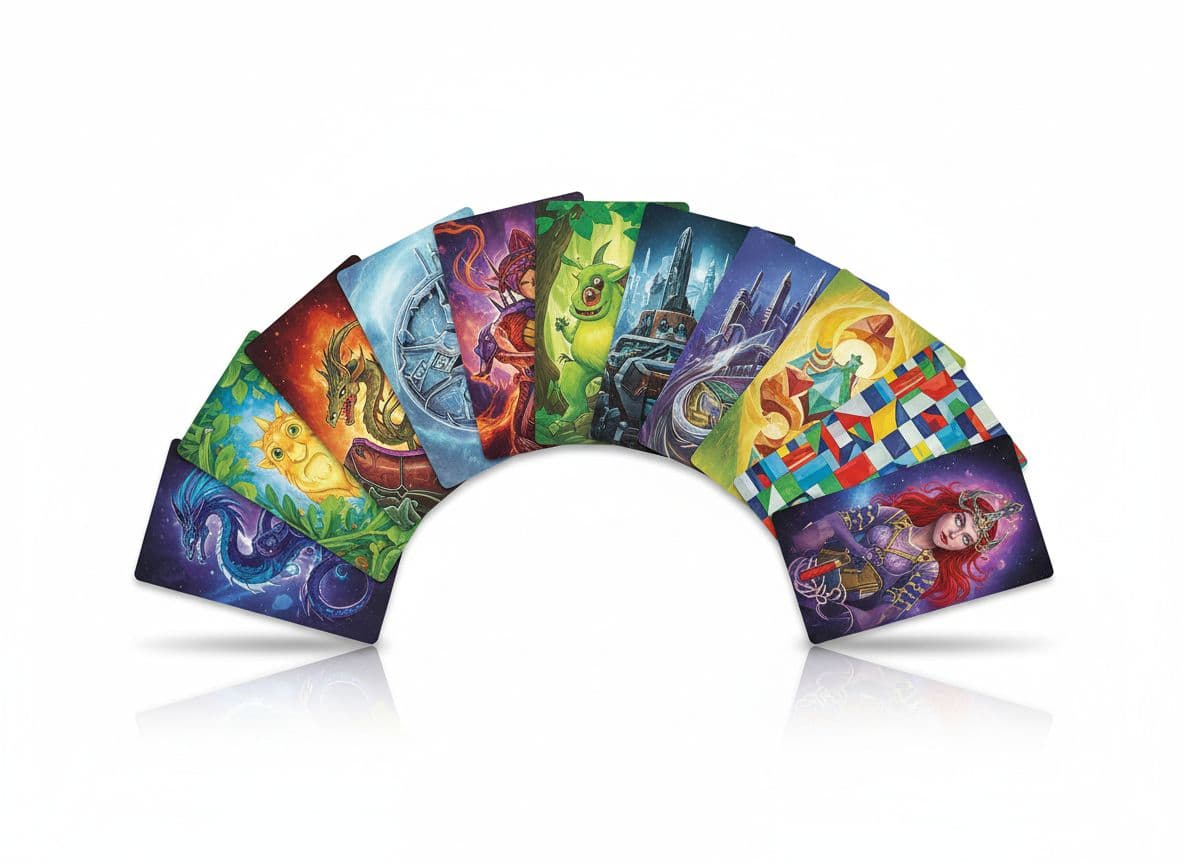
The trading card market spans dozens of games and sports, each with its own collector base and pricing dynamics. Many people have cards from games they played years ago without realizing those cards may have appreciated dramatically. A Magic: The Gathering card from a 1993 booster pack could be worth a car payment. A Yu-Gi-Oh card you won at a tournament might be worth hundreds. Football, basketball, hockey, and soccer cards have all seen explosive growth as sports collecting goes mainstream. Getting a quick value check on your cards helps you make smart decisions about selling, trading, insuring, or simply holding onto them.
Key Factors That Affect Trading Cards Value
Understanding what drives the price of trading cards helps you get the most accurate valuation.
Game & Set
Each trading card game has its own market. Magic: The Gathering cards from Alpha, Beta, and Unlimited sets are the most valuable TCG cards in existence. Yu-Gi-Oh prizes come from early Tournament Packs and Limited Edition releases. Sports cards vary by sport, year, and product line.
Rarity & Print Run
Rarity indicators vary by game - MTG uses mythic rare, rare, uncommon, common; Yu-Gi-Oh uses secret rare, ultra rare, super rare, etc. Cards with lower print runs or special treatments (holographic, full art, alternate art) are worth more.
Condition & Playability
Cards that are both collectible AND competitively useful in current gameplay often command the highest prices. However, condition matters most for collectors - heavily played cards lose significant value compared to near-mint copies.
Competitive Meta Relevance
For actively played games, cards that are powerful in the current competitive format can spike in price. Ban list announcements, new set releases, and tournament results all cause rapid price movements.
Authentication & Grading
Grading services like PSA, BGS, and CGC are increasingly used for trading cards beyond just sports. A gem mint graded card can be worth 2-5x its raw equivalent, making grading worthwhile for cards above $50 in value.
Tips for Valuing Trading Cards
Get the most accurate valuation by following these tips when photographing your trading cards.
Make sure the card name, set symbol, and rarity indicator are clearly visible
Photograph in good lighting without glare on holographic cards
Show the card number and edition information
For graded cards, include the grading label in the photo
Trading Cards Market Insights
The overall trading card market has matured significantly, with dedicated platforms like TCGPlayer for game cards and eBay, COMC, and MySlabs for sports cards making pricing transparent. Magic: The Gathering continues to be the most valuable TCG, with Reserved List cards (cards Wizards of the Coast promised never to reprint) steadily climbing in price. Yu-Gi-Oh has a passionate global market with strong demand from both players and collectors. On the sports side, basketball cards (especially NBA rookies) have rivaled baseball in value, while soccer cards are the fastest-growing segment internationally.
Notable Trading Cards Values
Real-world examples of what specific trading cards have sold for, so you can benchmark your own.
| Trading Card | Condition | Typical Value |
|---|---|---|
| 1952 Topps Mickey Mantle #311 | Graded PSA 9 | $500,000 - $3,000,000+ |
| Pokemon Base Set Charizard (1st Edition Shadowless) | Graded PSA 10 | $200,000 - $500,000+ |
| Magic: The Gathering Black Lotus (Alpha) | Graded BGS 9 | $50,000 - $150,000+ |
| 2003-04 Upper Deck Exquisite LeBron James Rookie Patch Auto #/99 | Graded PSA 9 | $50,000 - $200,000+ |
| Yu-Gi-Oh Tournament Black Luster Soldier (2002) | Graded PSA 10 | $2,000,000 - $9,000,000+ |
| Pokemon Base Set Charizard (Unlimited) | Near Mint (Ungraded) | $200 - $600 |
| 2000 Bowman Chrome Tom Brady Rookie Auto #/500 | Graded PSA 8 | $5,000 - $20,000 |
| Magic: The Gathering Revised Dual Lands (e.g. Underground Sea) | Near Mint | $400 - $1,500 |
| 1986-87 Fleer Michael Jordan Rookie #57 | Graded PSA 7 | $3,000 - $8,000 |
Based on eBay sold listings, Heritage Auctions records, PSA Population Report data, and TCGPlayer market prices.
Find Out What Your Trading Cards Are Worth
Upload a photo now and get a free AI-powered valuation in seconds. No sign-up required.
Trading Cards Valuation FAQ
What trading cards are worth the most money?
The most valuable trading cards span multiple games: Magic: The Gathering's Black Lotus, Yu-Gi-Oh's Tournament Black Luster Soldier, rare sports rookie cards, and first edition Pokemon cards. Values range from hundreds to millions of dollars.
How can I tell if my trading card is rare?
Look for rarity symbols (stars, diamonds, circles), low print numbers, first edition marks, holographic/foil treatments, and special promotional stamps. Our AI identifies all these indicators automatically.
Does the AI work with all types of trading cards?
Yes! Our AI recognizes cards from Pokemon, Magic: The Gathering, Yu-Gi-Oh, sports cards (baseball, basketball, football, hockey, soccer), and many other collectible card games.
How do I sell my trading card collection?
For game cards, TCGPlayer and Card Kingdom are great for individual sales. For sports cards, eBay and COMC work well. For bulk lots, Facebook groups dedicated to each game or sport often have active buyers. If you have high-value cards ($500+), consider consigning to auction houses that specialize in cards.
Can banned or restricted cards still be valuable?
Often more so! Cards that are banned from competitive play in Magic or Yu-Gi-Oh can actually increase in value because they become collector's items and they're no longer being opened from packs. Some of the most valuable Yu-Gi-Oh cards are banned tournament prizes that were never widely available.
Trading Cards Guides & Articles

March 10, 2026
20 Most Expensive Pokemon Cards Ever Sold (2026 Update)
January 20, 2026
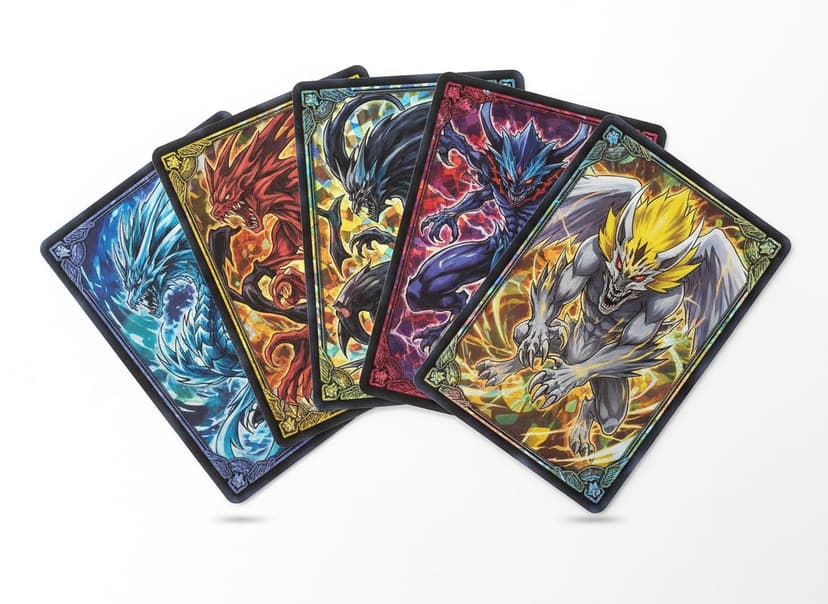
Most Valuable Yu-Gi-Oh! Cards: Rare Cards Worth Thousands
December 25, 2025
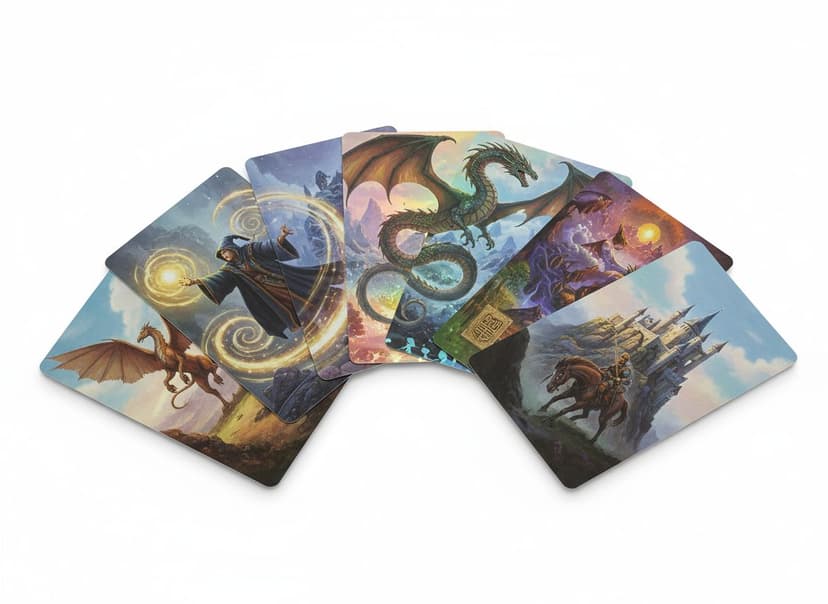
Most Valuable Magic: The Gathering Cards (2026 Update)
March 23, 2026
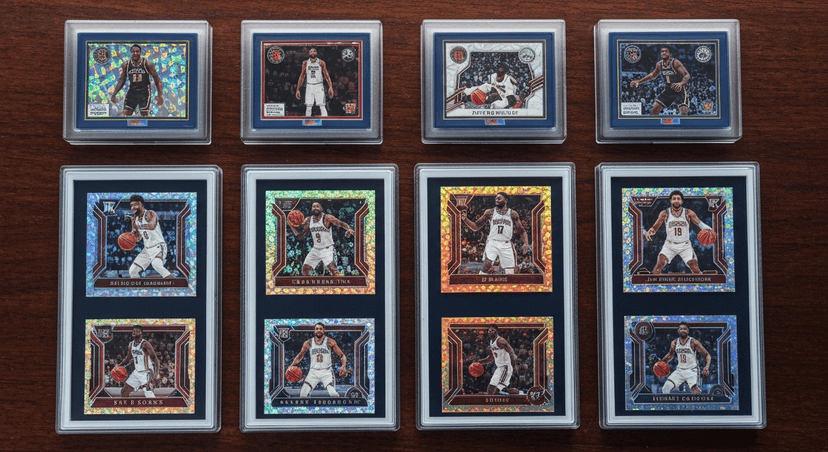
Most Valuable Basketball Cards: 15 Cards Worth $1,000 to $6,000,000
March 23, 2026
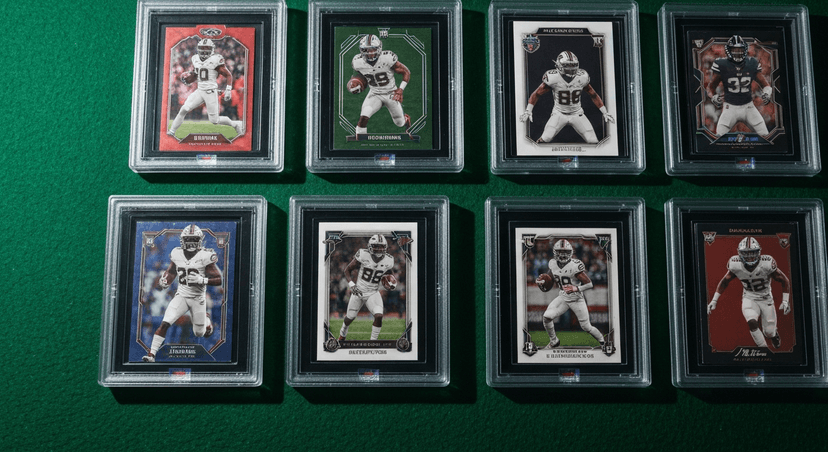
Most Valuable Football Cards: 15 NFL Cards Worth Serious Money
Similar Valuations
Value anything, anytime
Unlimited valuations, saved history and full reports in the free app.