Last updated: September 2026
How Much Are My Yu-Gi-Oh! Cards Worth?
Whether you have first edition LOB cards, Ghost Rare pulls, tournament prize cards, or a binder full of childhood favorites, our AI identifies the card set, edition, rarity, and condition to deliver accurate pricing. No need to manually search every card - snap a photo and get the value in seconds.
Get the free app for unlimited scans


Compare real prices
See what yu-gi-oh! cards are listed for right now
Affiliate link: we earn a commission if you buy, at no extra cost to you.
What do you want to value?
Get the free app for unlimited scans
Why Knowing Your Yu-Gi-Oh! Cards Value Matters
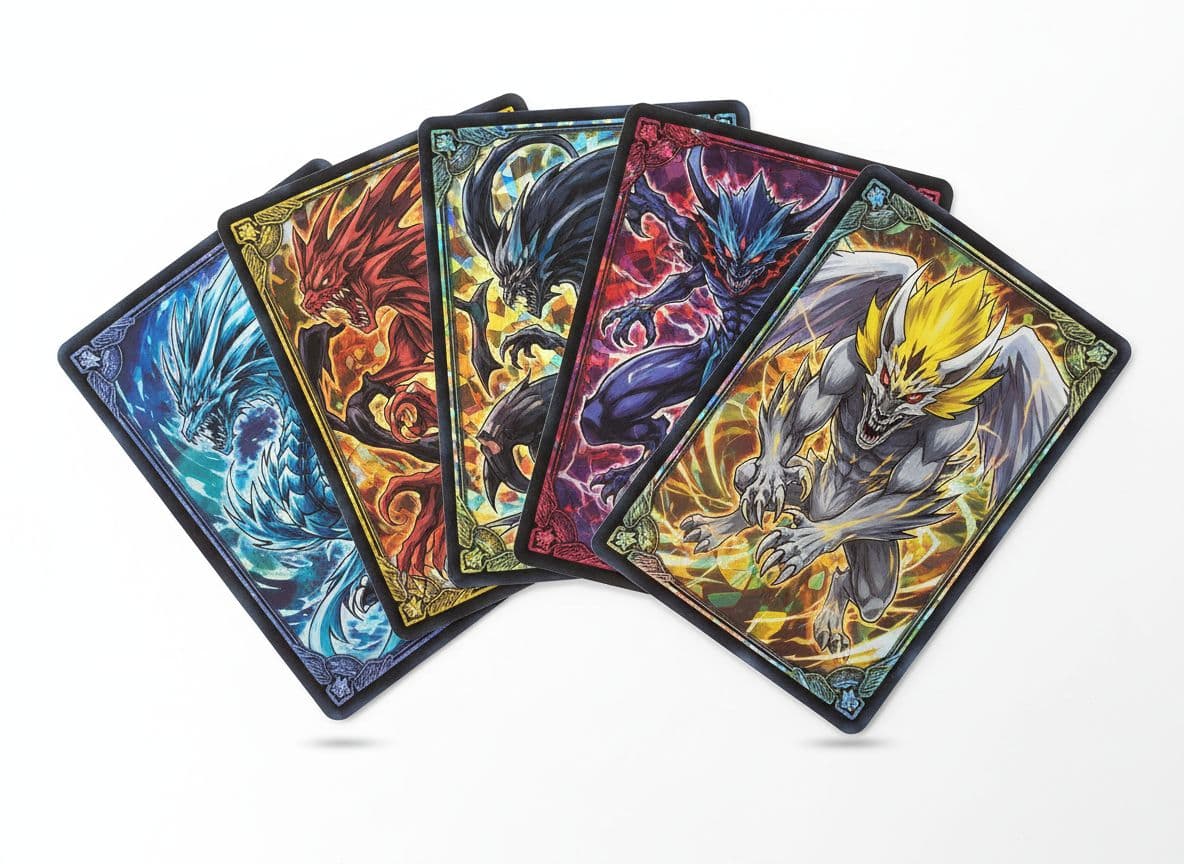
Yu-Gi-Oh! has been printed since 1999, and early cards have become extremely valuable collectibles. A first edition Blue-Eyes White Dragon from Legend of Blue Eyes (LOB) can sell for $5,000-$50,000 depending on condition. Even modern competitive staples and high-rarity pulls can be worth $50-$300 each. Many players and former players have binders full of cards from the early 2000s without realizing the potential value sitting in their closets. Knowing your cards' value helps you make smart decisions about selling, trading, or protecting your collection.
Key Factors That Affect Yu-Gi-Oh! Cards Value
Understanding what drives the price of yu-gi-oh! cards helps you get the most accurate valuation.
Edition & Set
First edition cards are significantly more valuable than unlimited printings. The set code (e.g., LOB, MRD, PSV) identifies which expansion the card is from. Early sets like Legend of Blue Eyes White Dragon and Metal Raiders contain the most valuable cards.
Rarity
Yu-Gi-Oh! uses a rarity system indicated by the foil pattern: Common, Rare (silver name), Super Rare (foil art), Ultra Rare (gold name + foil art), Secret Rare (diagonal pattern), Ghost Rare (3D holographic), and more. Higher rarity means higher value.
Card Condition
Near Mint cards are worth full market value. Light play reduces value by 20-30%, moderate play by 40-60%, and heavy play by 70%+. Edge whitening, scratches on foil, and bends are the most common condition issues.
Competitive Playability
Cards currently used in the competitive meta (like staple hand traps or key combo pieces) carry a premium based on tournament demand. This value can fluctuate with ban list updates and new set releases.
Promo & Prize Cards
Tournament prize cards, jump promos, and event-exclusive cards can be worth thousands. The Tournament Black Luster Soldier is one of the rarest cards in existence, valued at over $2 million.
Tips for Valuing Yu-Gi-Oh! Cards
Get the most accurate valuation by following these tips when photographing your yu-gi-oh! cards.
Photograph the full card front clearly showing the name, art, set code, and edition text
Use good lighting to capture the foil pattern which indicates rarity
Show the card back if there's any damage or wear visible
Use a plain dark background to make card details easier to read
Yu-Gi-Oh! Cards Market Insights
The Yu-Gi-Oh! market is driven by both collectors and competitive players, creating strong demand across different segments. Vintage first edition cards from 2002-2005 sets have seen substantial appreciation, with PSA 10 graded copies of iconic cards reaching record prices. The competitive market remains active with new sets releasing quarterly, keeping demand high for current meta staples. The 25th anniversary celebrations have renewed interest in vintage cards and created new collectible products. Ghost Rares and Starlight Rares from modern sets are the most sought-after pulls, often selling for $100-$500+ immediately upon release.
Notable Yu-Gi-Oh! Cards Values
Real-world examples of what specific yu-gi-oh! cards have sold for, so you can benchmark your own.
| Yu-Gi-Oh! Card | Condition | Typical Value |
|---|---|---|
| Blue-Eyes White Dragon (LOB-001, 1st Edition) | Near Mint | $5,000 - $20,000+ |
| Blue-Eyes White Dragon (LOB-001, 1st Edition) | Graded PSA 10 | $30,000 - $100,000+ |
| Dark Magician (LOB-005, 1st Edition) | Near Mint | $1,000 - $5,000 |
| Exodia the Forbidden One (LOB-124, 1st Edition) | Near Mint | $2,000 - $8,000 |
| Pot of Greed (LOB-119, 1st Edition) | Near Mint | $500 - $2,000 |
| Blue-Eyes White Dragon (SDK-001, Unlimited) | Near Mint | $30 - $120 |
| Dark Magician Girl (MFC-000, Secret Rare) | Near Mint | $200 - $600 |
| Ash Blossom & Joyous Spring (MACR, Secret Rare) | Near Mint | $40 - $100 |
| Elemental HERO Stratos (DP05-EN001, 1st Edition) | Near Mint | $15 - $60 |
Based on eBay sold listings, TCGPlayer market data, and PSA auction records.
Live Yu-Gi-Oh! Cards Market Prices
Find Out What Your Yu-Gi-Oh! Cards Are Worth
Upload a photo now and get a free AI-powered valuation in seconds. No sign-up required.
Yu-Gi-Oh! Cards Valuation FAQ
How do I tell if my Yu-Gi-Oh! card is first edition?
First edition cards have the text '1st Edition' printed below the card artwork on the left side, just above the card description box. Unlimited edition cards lack this text. First edition cards are typically worth 2-10x more than unlimited versions of the same card.
Are my Yu-Gi-Oh! cards from childhood worth anything?
Cards from the original 2002-2005 era can be very valuable, especially first edition holos. Blue-Eyes White Dragon, Dark Magician, and Exodia pieces from Legend of Blue Eyes White Dragon are consistently valuable. Even common cards from early sets can be worth a few dollars each. Upload photos and our AI will identify any hidden gems.
What are the most valuable Yu-Gi-Oh! cards?
The most valuable include Tournament Black Luster Soldier ($2M+), Tyler the Great Warrior (one of one), and first edition PSA 10 Blue-Eyes White Dragon from LOB ($50,000+). More accessible high-value cards include Ghost Rare first editions, early set Ultra/Secret Rares, and competitive staples.
Should I get my Yu-Gi-Oh! cards graded?
Grading through PSA or CGC is worth it for first edition holo rares from early sets valued at $50+ in raw condition. Grading can multiply value significantly for high-grade copies. For modern cards or commons, the grading fee ($20-50+) usually isn't justified unless the card is a high-value pull in perfect condition.
Yu-Gi-Oh! Cards Price Guides
Yu-Gi-Oh! Cards Guides & Articles
Similar Valuations
Value anything, anytime
Unlimited valuations, saved history and full reports in the free app.