Last updated: September 2026
How Much Is My Buffalo Nickel Worth?
Buffalo nickels (also called Indian Head nickels) were minted from 1913 to 1938 and feature one of the most iconic designs in US coinage. Values range from 50 cents for worn common dates to over $300,000 for the rare 1913 Liberty Head nickel. Upload a photo for an instant valuation.
Get the free app for unlimited scans


Compare real prices
See what buffalo nickels are listed for right now
Affiliate link: we earn a commission if you buy, at no extra cost to you.
What do you want to value?
Get the free app for unlimited scans
Why Knowing Your Buffalo Nickels Value Matters
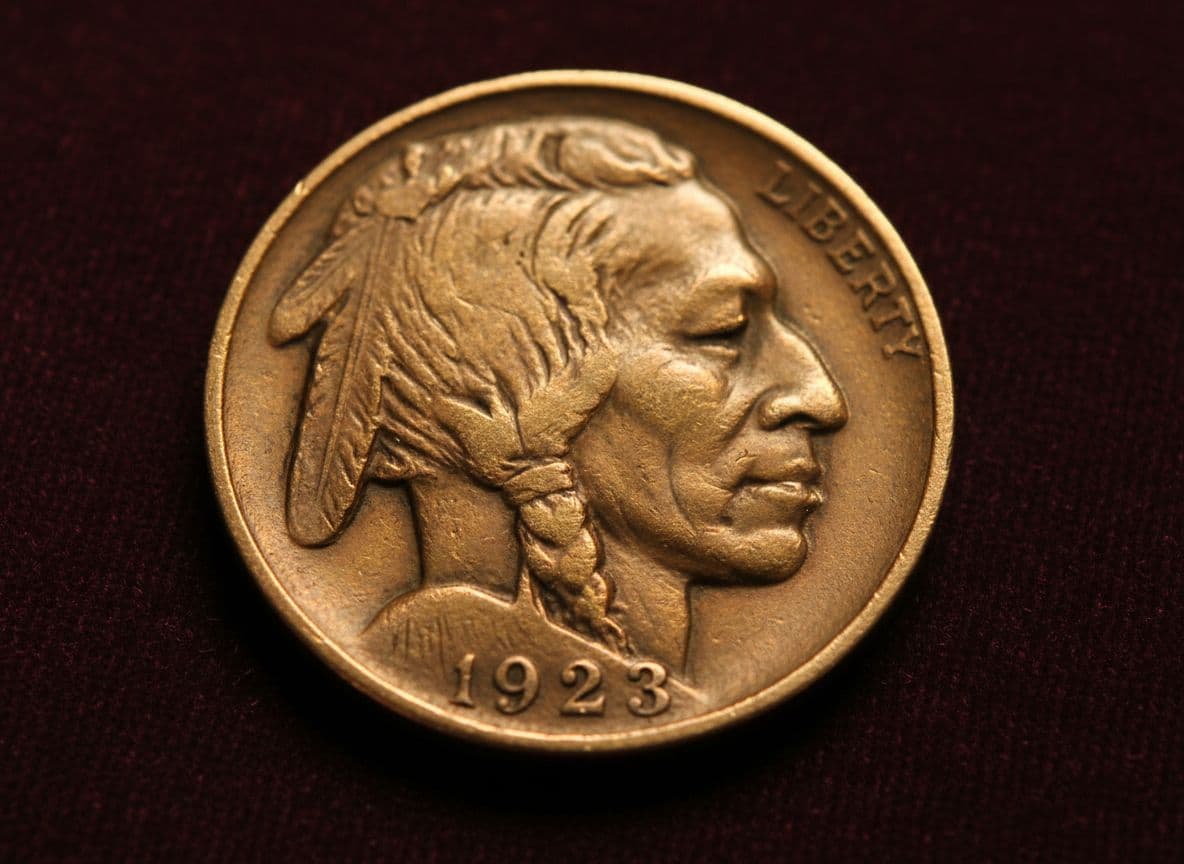
Buffalo nickels are widely collected and many people find them in old coin collections or even in circulation. While dateless (heavily worn) buffalo nickels are worth only 25-50 cents, coins with readable dates can be worth significantly more. Key dates like the 1913-S Type 2 ($100+), 1918/7-D overdate ($1,000+), and 1937-D three-legged variety ($500+) are eagerly sought by collectors. Even common dates in nice condition bring $3-$20.
Key Factors That Affect Buffalo Nickels Value
Understanding what drives the price of buffalo nickels helps you get the most accurate valuation.
Date Visibility
The date on buffalo nickels wore off quickly in circulation. Dateless coins are worth only 25-50 cents. Coins with partial dates are worth $1-$5. Full, clear dates are essential for determining the coin's true value.
Key Dates & Mint Marks
Key dates include 1913-S Type 2 ($100+), 1914-D ($100+), 1921-S ($50+), 1924-S ($30+), and 1926-S ($50+). The mint mark is on the reverse below 'FIVE CENTS'. D for Denver, S for San Francisco.
The 1937-D Three-Legged Variety
A die polishing error removed most of the buffalo's front right leg on some 1937-D nickels. This famous error is worth $500-$2,000+ depending on condition. Look carefully at all four legs on any 1937-D buffalo nickel.
Type 1 vs Type 2 (1913 only)
In 1913, the design was modified. Type 1 has the buffalo standing on a raised mound. Type 2 has the buffalo on a flat plain with 'FIVE CENTS' recessed. Both types exist from all three mints and have different values.
Condition & Grade
Buffalo nickels in Fine condition typically sell for $3-$15 for common dates. VF-XF examples bring $5-$30. Uncirculated coins command $30-$200+ for common dates and much more for key dates. Full horn detail is a premium indicator.
Tips for Valuing Buffalo Nickels
Get the most accurate valuation by following these tips when photographing your buffalo nickels.
Photograph the obverse showing the date clearly. This is the most important detail
Show the reverse with the mint mark visible below 'FIVE CENTS'
If the date is worn, try angling the light to reveal faint numbers
For 1937-D coins, include a close-up of the buffalo's legs
Buffalo Nickels Market Insights
Buffalo nickels occupy a sweet spot in coin collecting. They are old enough to feel historic, common enough to be affordable, and have enough key dates to keep collecting interesting. The series has maintained steady demand for decades. Full sets are a popular collecting goal. The three-legged 1937-D remains one of the most famous and recognizable US coin errors, drawing new collectors into the series regularly.
Notable Buffalo Nickels Values
Real-world examples of what specific buffalo nickels have sold for, so you can benchmark your own.
| Buffalo Nickel | Condition | Typical Value |
|---|---|---|
| 1913-S Type 2 Buffalo Nickel | Fine-12 | $400 - $900 |
| 1916 Doubled Die Obverse Buffalo Nickel | Authenticated | $4,000 - $15,000+ |
| 1918/7-D Buffalo Nickel (overdate) | VG-8 to Fine | $800 - $3,500 |
| 1921-S Buffalo Nickel | Good-4 | $200 - $500 |
| 1926-S Buffalo Nickel | Good to Fine | $150 - $600 |
| 1937-D Three-Legged Buffalo Nickel | Fine-12 | $500 - $2,000 |
| Common Date Buffalo Nickel (1934-1938) | Good, Date Visible | $3 - $20 |
| 1936 Buffalo Nickel | MS-65 (Graded PCGS/NGC) | $150 - $400 |
| 1913 Type 1 Buffalo Nickel (Philadelphia) | Extremely Fine | $80 - $200 |
Based on PCGS CoinFacts, NGC Price Guide, and recent Heritage Auctions and eBay sold listings for verified examples.
Find Out What Your Buffalo Nickels Are Worth
Upload a photo now and get a free AI-powered valuation in seconds. No sign-up required.
Buffalo Nickels Valuation FAQ
Are dateless buffalo nickels worth anything?
Dateless buffalo nickels are worth about 25-50 cents each. Some coin shops buy them in bulk for $0.25 each. There are acid-date methods to reveal worn dates, but this damages the coin and reduces collector value.
What is the most valuable buffalo nickel?
The 1918/7-D overdate is the most valuable regular-issue buffalo nickel at $1,000+ in Fine condition. The 1937-D three-legged variety ($500+) and 1913-S Type 2 ($100+) are also highly valuable. The unrelated 1913 Liberty Head nickel ($3-5 million) is one of the most valuable US coins ever.
How do I identify a three-legged buffalo nickel?
On the 1937-D three-legged nickel, the buffalo's front right leg is mostly missing, showing only the hoof. The remaining legs may appear slightly thinner than normal. Use a magnifying glass and compare to images of genuine examples. Only 1937-D nickels have this variety.
Where is the mint mark on a buffalo nickel?
The mint mark is on the reverse (back) of the coin, below 'FIVE CENTS'. D = Denver, S = San Francisco. No mint mark = Philadelphia. On Type 1 (1913 only), the mint mark is on the mound below the buffalo.
Should I get my buffalo nickel graded?
For key dates worth $50+ raw or any coin in uncirculated condition, professional grading (PCGS or NGC) is worthwhile. Grading costs $20-$50 per coin but can significantly increase the selling price by authenticating the coin and certifying its grade.
Buffalo Nickels Guides & Articles
Value anything, anytime
Unlimited valuations, saved history and full reports in the free app.