Last updated: September 2026
How Much Are Foreign Coins Worth?
Foreign coins. From British sovereigns and Canadian silver dollars to Japanese yen and Mexican pesos. Are commonly found in travel souvenirs, inherited collections, and old jars. Many contain silver or gold that gives them significant metal value. Our AI identifies your coin's country, denomination, era, and metal content for a market estimate.
Get the free app for unlimited scans


Compare real prices
See what foreign coins are listed for right now
Affiliate link: we earn a commission if you buy, at no extra cost to you.
What do you want to value?
Get the free app for unlimited scans
Why Knowing Your Foreign Coins Value Matters
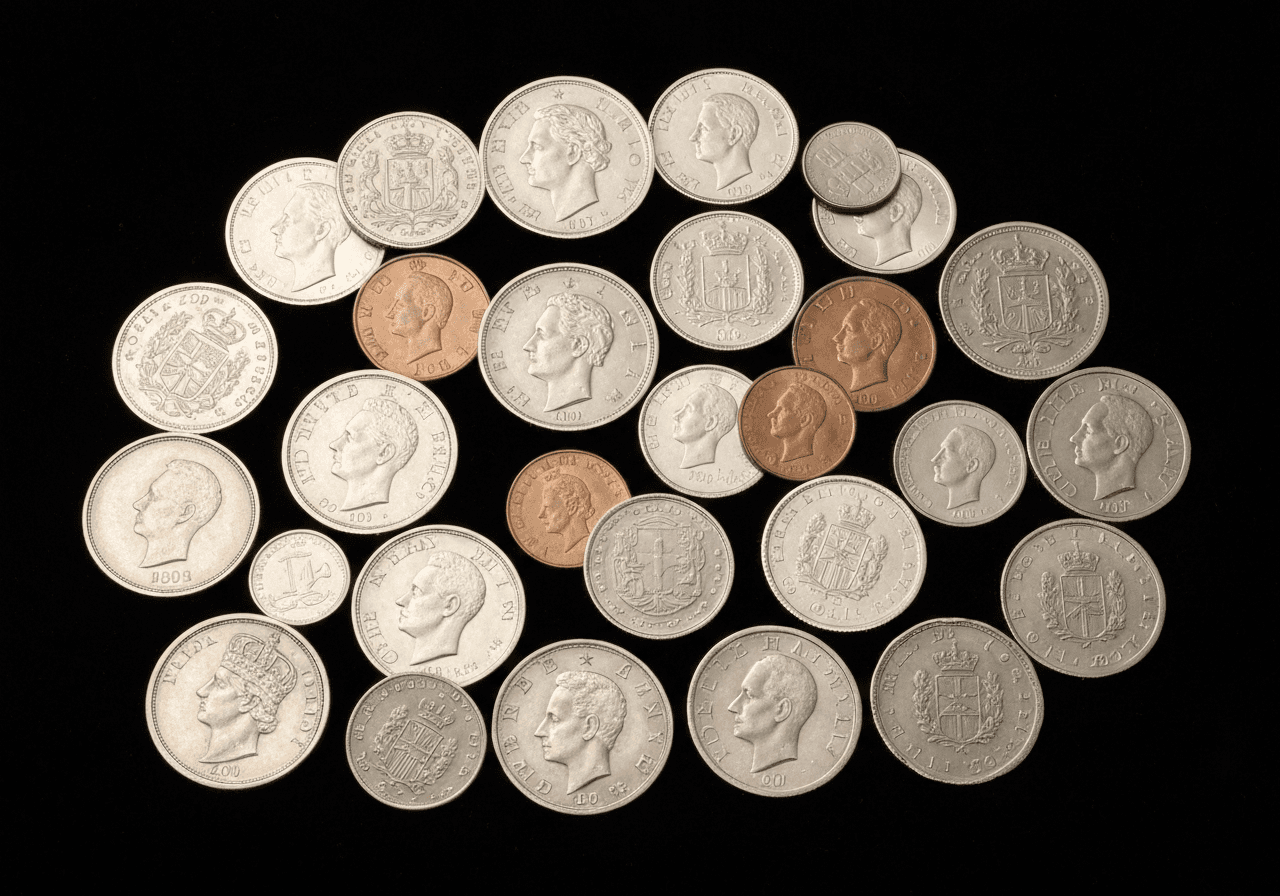
Many people have foreign coins from travel, military service, or inherited collections without realizing some have real value. Pre-decimal British coins (pre-1971) often contain silver. Canadian silver dollars (pre-1968): $10-$100+. Mexican silver pesos: $5-$50+. German marks (pre-1918): many are silver. Even common modern foreign coins from exotic countries can be worth $1-$5 to collectors. The biggest mistake is ignoring foreign coins or taking them to a coinstar machine at face-value exchange rates.
Key Factors That Affect Foreign Coins Value
Understanding what drives the price of foreign coins helps you get the most accurate valuation.
Silver & Gold Content
Many foreign coins contain precious metals. British pre-1920 coins: 92.5% silver. British 1920-1946: 50% silver. Canadian pre-1968: 80% silver. Australian pre-1966: 50% silver. Mexican pre-1970: various silver percentages. Any gold coin: significant value.
Country & Type
Most collected: British (crowns, sovereigns), Canadian (silver dollars, maples), Australian, German, Japanese, Mexican, French, Chinese. Coins from small or defunct nations often have collector premiums. Coins featuring famous people or events: additional demand.
Age & Historical Period
Ancient coins (Greek, Roman): $5-$100,000+ (covered separately). Medieval: $20-$5,000+. Colonial era: $10-$500+. 19th century: varies widely. 20th century silver: mainly metal value. Modern base metal: usually face value.
Condition
For collectible coins: better condition = higher value. For silver/gold coins: condition matters less (metal value provides floor). Rare coins in any condition have value.common modern coins: condition is irrelevant since they're worth face value.
Denomination & Size
Larger denominations often contain more precious metal. Crown-sized coins (38-40mm) are the most collected world coin format. Small denominations in base metal: usually minimal value. Gold coins of any size: always valuable.
Tips for Valuing Foreign Coins
Get the most accurate valuation by following these tips when photographing your foreign coins.
Check if your coins are silver. A magnet test is quick (silver is not magnetic)
Note the country and denomination. Some common-looking coins have unexpected value
Photograph both sides clearly. The reverse design helps identify denomination and era
Don't clean foreign coins. Collectors prefer original surfaces
Foreign Coins Market Insights
World coin collecting is an enormous global market with active collectors in every country. The market is driven by precious metal content (silver/gold coins), historical interest, and national pride. Online platforms have connected world coin buyers and sellers globally, supporting prices. The market for quality world coins has grown as collectors in Asia and the Middle East enter the hobby. World coins offer exceptional value compared to US coins. You can often buy more historical significance per dollar.
Find Out What Your Foreign Coins Are Worth
Upload a photo now and get a free AI-powered valuation in seconds. No sign-up required.
Foreign Coins Valuation FAQ
How do I know if my foreign coins are silver?
Check the date against known silver coinage years for that country. Quick test: silver coins are not magnetic (use a magnet), have a distinctive ring when tapped, and are heavier than similar-sized base metal coins.common silver coins: British pre-1947, Canadian pre-1968, Australian pre-1966, Mexican pre-1970.
Are modern foreign coins worth anything?
Most modern foreign coins in base metal are worth face value or less (exchange fees eat into value). However: coins from exotic/small nations can be worth $1-$5 to collectors, commemorative issues may have premiums, and any gold or silver coins always have metal value.
What foreign coins are most valuable?
British gold sovereigns ($400-$600+), Canadian silver dollars ($15-$100+), German gold marks ($300-$500+), Mexican silver pesos ($5-$50+), any foreign gold coin (at minimum gold melt value). Ancient and medieval coins are covered in our separate ancient coins category.
Can I exchange foreign coins at a bank?
Most US banks don't accept foreign coins. Coinstar machines accept some foreign coins but at poor exchange rates. For silver and gold coins, selling to collectors or precious metal dealers yields much better returns than any exchange service.
Where can I sell foreign coins?
eBay is the largest world coin marketplace. VCoins and MA-Shops specialize in world coins. Heritage Auctions handles valuable world coins. Local coin shops buy common foreign silver at melt price. For rare or valuable coins, auction houses achieve the best prices.
Value anything, anytime
Unlimited valuations, saved history and full reports in the free app.