Last updated: September 2026
How Much Are Double Die Coins Worth?
Doubled die coins are among the most sought-after mint errors in numismatics. Created when a coin die receives a second, misaligned impression during the die-making process, doubled dies show visible doubling on the date, lettering, or design elements. Famous examples like the 1955 and 1972 doubled die pennies are worth $1,000+, but dozens of other doubled die varieties across all denominations command strong premiums.
Get the free app for unlimited scans


Compare real prices
See what double die coins are listed for right now
Affiliate link: we earn a commission if you buy, at no extra cost to you.
What do you want to value?
Get the free app for unlimited scans
Why Knowing Your Double Die Coins Value Matters
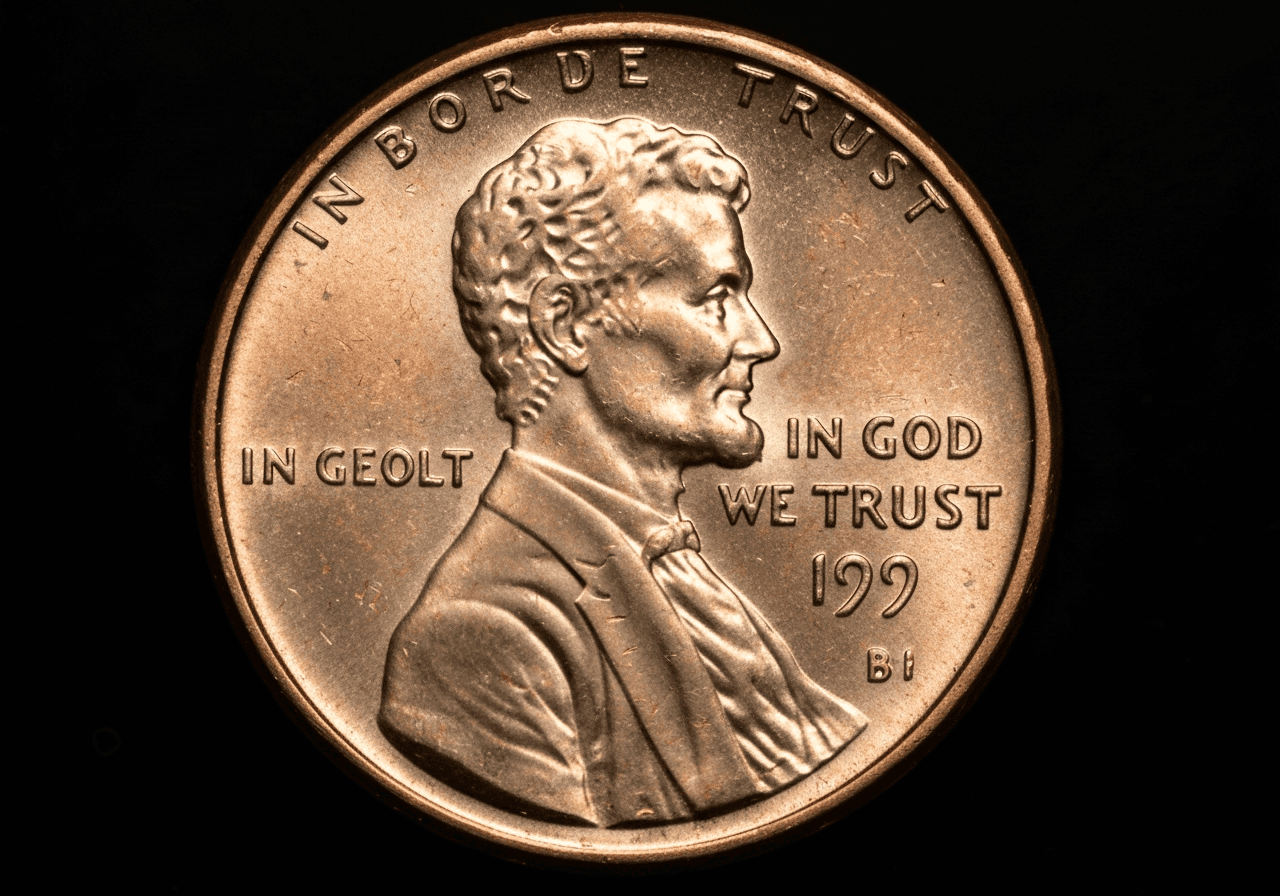
Doubled die coins are the 'big game' of coin roll hunting and pocket change searching. Unlike other errors that require specialized knowledge to identify, dramatic doubled dies are visible to the naked eye. The doubling on a 1955 doubled die penny is immediately obvious. This accessibility makes them the most popular error type among both new and experienced collectors. Values range enormously: minor doubled dies on modern coins bring $25-$100, while major varieties like the 1969-S doubled die penny can fetch $50,000-$100,000. New doubled die varieties are still being discovered, meaning the coin in your pocket could be an unlisted variety worth serious money.
Key Factors That Affect Double Die Coins Value
Understanding what drives the price of double die coins helps you get the most accurate valuation.
Prominence of Doubling
The more visible and dramatic the doubling, the more valuable the coin. Class I doubled dies (hub doubling with full rotation or offset) are the most dramatic and valuable. Minor doubling visible only under magnification brings modest premiums ($25-$100), while doubling visible to the naked eye commands $500-$100,000+.
Famous Doubled Die Varieties
The most valuable: 1969-S Lincoln cent DDO ($50,000-$100,000), 1955 Lincoln cent DDO ($1,000-$2,000), 1972 Lincoln cent DDO ($300-$600), 1995 Lincoln cent DDO ($30-$75), 1917 Buffalo nickel DDO ($2,000-$5,000), 1916 Buffalo nickel DDO ($3,000-$10,000), and the 2004 Wisconsin state quarter extra leaf ($100-$300).
Denomination & Series
Doubled dies exist on all US denominations from cents to dollars. Lincoln cent doubled dies are most actively collected due to the series' enormous popularity. Doubled dies on nickels, dimes, quarters, and half dollars also command strong premiums, often higher due to lower collector awareness and fewer known examples.
Condition & Grade
Doubled die coins in uncirculated condition command the highest premiums. A 1955 doubled die penny in AU-55 might sell for $1,200, but an MS-65 Red brings $5,000+. For modern doubled dies found in change, the circulated condition is expected and accepted, but coins from original bank rolls are preferred.
Authentication
True doubled dies must be distinguished from machine doubling (worthless), die deterioration doubling (minimal value), and strike doubling (minimal value). Genuine hub doubled dies show shelf-like, rounded doubling with full separation. Machine doubling shows flat, shelf-like doubling. PCGS and NGC authenticate and attribute doubled die varieties.
Tips for Valuing Double Die Coins
Get the most accurate valuation by following these tips when photographing your double die coins.
Look at the date and lettering under magnification. Doubling is most visible on these elements
Compare suspect coins to known doubled die images online before getting excited
True doubling shows separated, rounded edges. Flat shelf-like doubling is worthless machine doubling
Photograph the doubled area as close up as possible for AI analysis
Double Die Coins Market Insights
The doubled die market is driven by a combination of treasure-hunting excitement and serious numismatic study. New varieties are cataloged by organizations like CONECA and Wexler, and new discoveries regularly make news. YouTube and TikTok coin hunting channels have dramatically increased public awareness of doubled dies, growing the collector base. Auction records for major doubled dies remain strong, with the top varieties consistently appreciating. The 1955 DDO penny, in particular, has been a blue-chip numismatic investment for decades.
Find Out What Your Double Die Coins Are Worth
Upload a photo now and get a free AI-powered valuation in seconds. No sign-up required.
Double Die Coins Valuation FAQ
What is the difference between a doubled die and machine doubling?
A doubled die (valuable) is caused during die creation when the hub impresses the die twice in slightly different positions. It shows rounded, separated doubling with full detail on both impressions. Machine doubling (worthless) occurs during striking when the coin shifts slightly, creating flat, shelf-like doubling without full detail. The distinction is critical. One is worth thousands, the other adds no value.
What are the most valuable doubled die coins?
The top US doubled dies include: 1969-S Lincoln cent DDO ($50,000-$100,000), 1955 Lincoln cent DDO ($1,000-$5,000+), 1972 Lincoln cent DDO ($300-$600), 1917 Buffalo nickel DDO ($2,000-$5,000), 1916 Buffalo nickel DDO ($3,000-$10,000). Even minor doubled dies on common coins regularly sell for $25-$100.
Can I find doubled die coins in circulation?
Yes! Doubled die coins enter circulation like any other coin. The 1995 Lincoln cent doubled die is regularly found in change and worth $30-$75. State quarter doubled dies from 1999-2008 still turn up. Checking your change and searching coin rolls are proven ways to find doubled die varieties.
How do I check for doubled dies?
Use a 5-10x magnifying loupe and examine the date, lettering (LIBERTY, IN GOD WE TRUST, E PLURIBUS UNUM), and major design elements. Look for doubling that shows two distinct, separated impressions.compare your findings to cataloged varieties on sites like doubleddie.com or the CONECA website. Our AI can also identify many doubled die varieties from photos.
Are doubled die coins on both sides?
Usually no. A doubled die typically affects only the obverse (DDO - Doubled Die Obverse) or only the reverse (DDR - Doubled Die Reverse), because each side uses a separate die. DDO varieties are generally more valuable because the obverse shows the date and major features that make the doubling more dramatic and collectible.
Value anything, anytime
Unlimited valuations, saved history and full reports in the free app.