Last updated: September 2026
How Much Are Vintage Fishing Lures Worth?
Vintage fishing lures are a unique collectible that combines outdoor heritage with folk art appeal. From wooden Heddon lures to Creek Chub minnows, old fishing tackle has a passionate collector market. Our AI identifies your lure's maker, model, age, and condition for an accurate market estimate.
Get the free app for unlimited scans


Compare real prices
See what vintage fishing lures are listed for right now
Affiliate link: we earn a commission if you buy, at no extra cost to you.
What do you want to value?
Get the free app for unlimited scans
Why Knowing Your Vintage Fishing Lures Value Matters
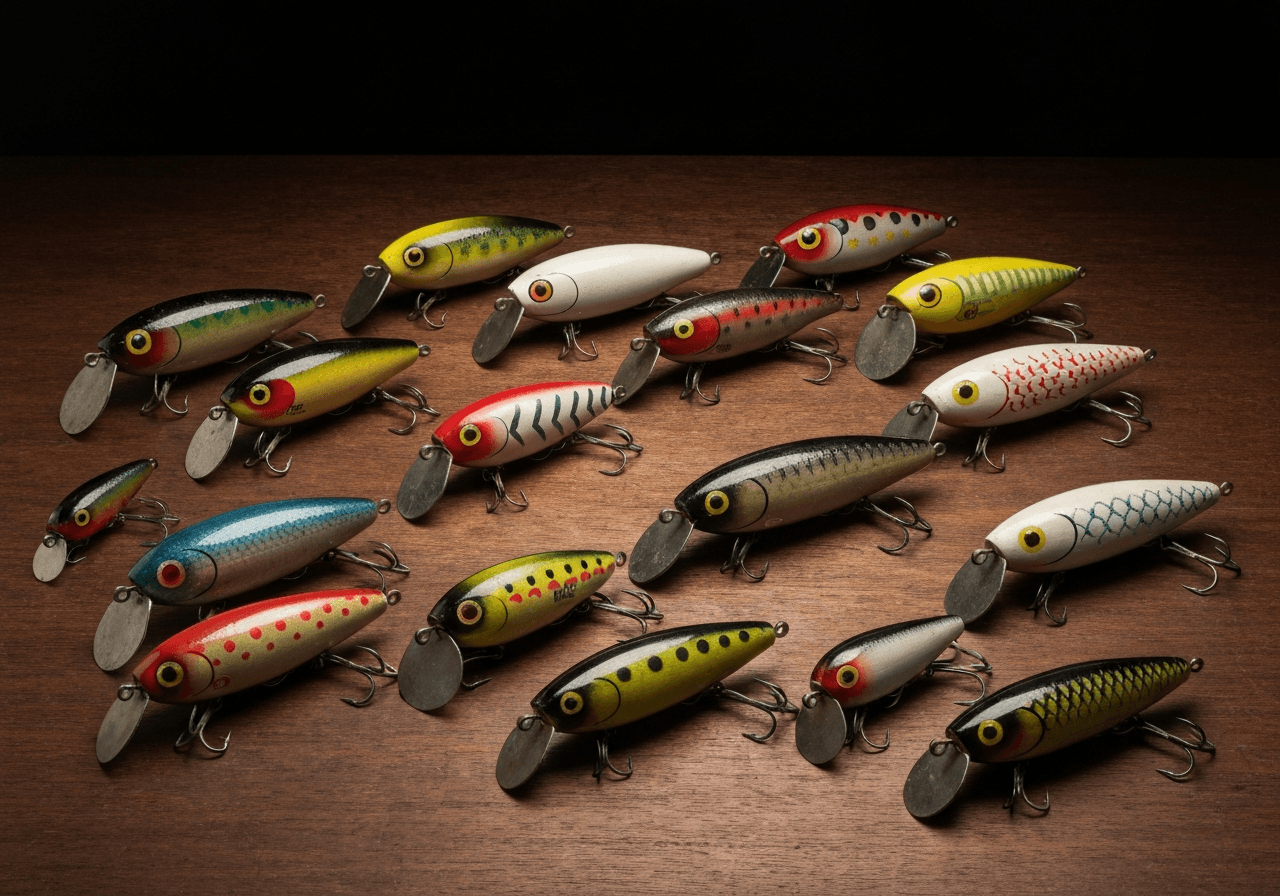
Old fishing lures found in tackle boxes, garages, and barns can be surprisingly valuable. Heddon is the most collected brand, with rare models worth $1,000-$20,000+. Creek Chub, Shakespeare, Pflueger, and South Bend lures also command strong prices. Even common lures from the 1930s-1950s are worth $10-$50 each. Color is a major value factor. The same lure in a rare color pattern can be worth 10x the common version. Many fishermen and their families have old tackle boxes full of potential treasures.
Key Factors That Affect Vintage Fishing Lures Value
Understanding what drives the price of vintage fishing lures helps you get the most accurate valuation.
Maker
Heddon (most collected): $10-$20,000+ depending on model. Creek Chub: $10-$5,000+. Shakespeare: $10-$2,000+. Pflueger: $10-$1,000+. South Bend: $10-$500+. Unknown/folk art lures: $5-$500+ if handmade and old.
Color & Pattern
Common colors (perch, pike, frog): base pricing. Rare colors for a given model: 3-20x premium. Some color patterns were produced in very limited quantities or for short periods, making them extremely scarce. Color guides are essential for identifying rare patterns.
Age
Pre-1920 (glass eyes, hand-painted): most valuable. 1920s-1940s (painted eyes, various hardware): strong values. 1950s-1960s (plastic transition era): moderate values. 1970s+: mostly modest values except rare models. Wood construction generally indicates pre-1950.
Condition
Mint in box (MIB): highest value, 3-5x loose. Excellent (original paint, minimal wear): full loose value. Good (light paint loss, minor chips): 50-70%. Poor (heavy paint loss, broken hardware): 20-30%. Even damaged rare lures have value.
Original Box
Original boxes multiply value significantly. Some boxes are worth more than the lure itself. Boxes are frequently lost and are genuinely scarce for pre-1950 lures. A mint lure in its original box with papers can be worth 3-5x the lure alone.
Tips for Valuing Vintage Fishing Lures
Get the most accurate valuation by following these tips when photographing your vintage fishing lures.
Check the eyes. Glass eyes indicate pre-1920, painted eyes indicate later production
Look for maker's marks on the body, lip, or hardware
Note the color pattern carefully. It's the primary value driver after maker identification
Don't repaint, clean with chemicals, or 'restore' lures. Original condition is essential for value
Vintage Fishing Lures Market Insights
Vintage lure collecting has a passionate community with active clubs, shows, and online trading. The NFLCC (National Fishing Lure Collectors Club) is the primary organization. Prices for rare Heddon and Creek Chub lures have shown steady appreciation. The hobby benefits from strong American outdoor culture nostalgia and the folk-art appeal of hand-painted wooden lures. Estate finds continue to bring new material to market, and social media has introduced younger collectors to the hobby.
Find Out What Your Vintage Fishing Lures Are Worth
Upload a photo now and get a free AI-powered valuation in seconds. No sign-up required.
Vintage Fishing Lures Valuation FAQ
What fishing lures are worth the most?
Heddon 150 Minnow in rare colors ($5,000-$20,000+), Heddon Night Radiant series ($1,000-$5,000+), Creek Chub Giant Pikie Minnow ($200-$2,000+), early Shakespeare Rhodes Minnow ($500-$5,000+). Even common Heddon lures from the 1930s-40s are worth $20-$100.
How do I identify old fishing lures?
Check for: glass vs painted eyes (glass = older), wood vs plastic construction, hardware type (one-piece vs screwed-in hooks), and any markings on the body or lip. Reference books (Luckey's, NFLCC guides) and online databases help identify maker and model.
Are old tackle boxes valuable?
The boxes themselves are worth $10-$50 for quality vintage examples. But the contents. Lures, reels, line, and accessories. Are where the real value lies. Always look through old tackle boxes carefully before selling or discarding.
Where can I sell vintage lures?
eBay reaches the most buyers. Lang's Sporting Collectibles is a premier tackle auction house. NFLCC shows bring serious collectors. Facebook lure collecting groups are active. For rare lures ($500+), auction houses achieve the best prices.
Are handmade/folk art lures valuable?
Yes. Handmade wooden lures with character and charm are collected as folk art, often independently of their fishing function. Well-made folk art lures from the early 1900s can be worth $25-$500+. Even rough examples have appeal if they show genuine handcrafted character.
Value anything, anytime
Unlimited valuations, saved history and full reports in the free app.