Last updated: September 2026
How Much Is Your Safe Worth?
Whether you have a Liberty, Browning, Fort Knox, AMSEC, or any other brand of gun safe, home safe, fireproof safe, or commercial safe, our AI analyzes the brand, size, fire rating, lock type, and condition to provide an accurate resale valuation. Moving? Upgrading? Downsizing? Know what your safe is worth.
Get the free app for unlimited scans


Compare real prices
See what safes are listed for right now
Affiliate link: we earn a commission if you buy, at no extra cost to you.
What do you want to value?
Get the free app for unlimited scans
Why Knowing Your Safes Value Matters
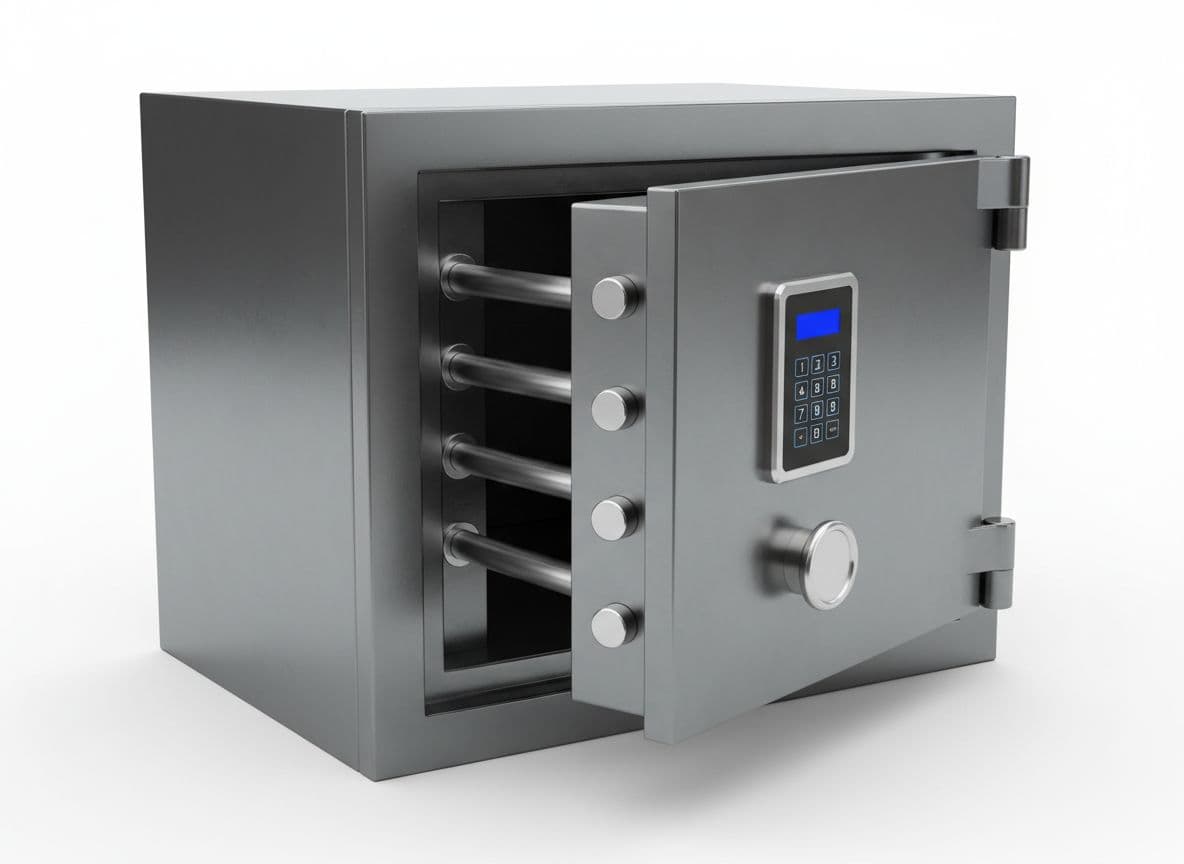
Quality safes are substantial investments. Gun safes range from $500-$5,000+ new, commercial safes can exceed $10,000, and even home safes cost $100-$800. The used safe market is active because safes are built to last decades (they're literally designed to survive fires and break-in attempts), and many buyers prefer the savings of buying used. The challenge unique to safes is that they are extremely heavy (200-2,000+ lbs), making moving and delivery the biggest friction point in any transaction. A safe that costs $2,000 new might sell for $800-$1,200 used, but the buyer needs to arrange transport. Which can cost $200-$500. This transport difficulty keeps used safe prices lower than they might otherwise be. Brand reputation, fire rating, and security rating are the primary value factors. Liberty, AMSEC (American Security), Fort Knox, and Browning are the premium brands that hold value best.
Key Factors That Affect Safes Value
Understanding what drives the price of safes helps you get the most accurate valuation.
Brand & Quality Tier
Premium brands (AMSEC, Fort Knox, Graffunder, Sturdy Safe) hold 50-70% of retail. These are built with thick steel and commercial-grade components. Major brands (Liberty, Browning, Winchester, Cannon) hold 35-50% of retail. Budget brands (Stack-On, Sentry, Sports Afield) hold 20-35%.commercial/TL-rated safes (Chubb, Diebold, AMSEC TL-rated) hold exceptional value. Brand directly correlates to steel thickness, fire protection quality, and lock reliability.
Fire Rating
Fire protection is a key selling point: 30-minute fire rating is the entry level. 60-minute is the most common quality standard. 90-120 minute ratings are premium features. ETL and UL fire ratings are independently verified and more credible than manufacturer claims. The fire seal (expanding gasket around the door) should be intact. Higher fire ratings directly increase resale value, especially for safes storing documents, cash, and irreplaceable items.
Size & Capacity
Gun safe capacity is measured in gun slots. 24-gun safes are the most popular size and sell best. 48-64 gun safes serve serious collectors and command higher prices but are harder to move and deliver. Home/office safes are measured by cubic feet of interior space. Larger safes hold more value in absolute dollars but may sell slower due to transport challenges. Very small safes (under 100 lbs) are easy to sell due to transport simplicity.
Lock Type
Electronic locks (S&G, SecuRam, Kaba) are preferred by most modern buyers. They should work reliably with current battery. Mechanical combination locks (S&G 6730, LaGard) are valued for long-term reliability. No batteries needed. Biometric locks add convenience but fingerprint readers can fail. Redundant lock systems (electronic + key backup) are appreciated. A safe without a working combination or key has reduced value due to locksmith costs ($75-$300 to open and rekey).
Condition & Modifications
Exterior finish (scratches, dents, paint chips) affects perceived value but not security. Interior condition (carpet, shelving, door organizer, lighting) matters for buyer appeal. Bolt-down hardware should be included. Dehumidifier rods or desiccant systems add value for gun storage. Any modifications (added lighting, power outlets, organizational accessories) can add modest value. Missing shelves or door organizers reduce value since replacements are expensive.
Tips for Valuing Safes
Get the most accurate valuation by following these tips when photographing your safes.
Photograph the safe open and closed showing the brand, model, and overall dimensions
Show the interior layout including shelves, door organizer, and storage capacity
Demonstrate the lock working. Record a video of the combination or electronic lock opening
Note the weight, fire rating, and any security ratings on the manufacturer's label
Safes Market Insights
Facebook Marketplace is the dominant platform for used safe sales. Local sale is virtually required due to weight. Craigslist is the secondary option. Gun safes sell best in gun-friendly regions and states. Safe delivery companies charge $200-$500 depending on weight, distance, stairs, and access difficulty. This cost is often split between buyer and seller or factored into the price. Safe dealers sometimes buy used safes at 25-40% of retail for refurbishment and resale. Moving companies and estate sale companies are familiar with safe logistics. The market is steady year-round with slight increases after high-profile break-ins or during political uncertainty (gun safe demand). Many used safes come from estate settlements, divorces, and home sales where the new owner doesn't want a built-in safe or the safe won't fit through doorways (a common problem with older home safes installed before recent remodeling).
Notable Safes Values
Real-world examples of what specific safes have sold for, so you can benchmark your own.
| Safe | Condition | Typical Value |
|---|---|---|
| Liberty Safe Presidential Series 50 | Used | $1,200 - $2,500 |
| Sentry Safe SFW123GDC Fire/Water Safe | Used | $80 - $180 |
| Fort Knox Defender 6031 Gun Safe | Used | $1,500 - $3,000 |
| AMSEC BF6032 Burglar & Fire Safe | Used | $2,000 - $4,500 |
| Browning Prosteel Silver Series Gun Safe | Used | $600 - $1,400 |
| Gardall Commercial 2-Hour Fire Safe (MS912) | Used | $400 - $900 |
| Diebold Mosler TL-30 High-Security Safe | Used | $3,000 - $8,000+ |
| Cannon Safe Commander Series | Used | $300 - $700 |
| Antique Victor Safe & Lock Co. Floor Safe (pre-1950) | Used | $150 - $600 |
Based on eBay sold listings, Facebook Marketplace/Craigslist comps, and dealer resale records for used safes.
Find Out What Your Safes Are Worth
Upload a photo now and get a free AI-powered valuation in seconds. No sign-up required.
Safes Valuation FAQ
How much is a used gun safe worth?
Budget gun safes (Stack-On, Sentry, 12-18 gun): $100-$300. Mid-range gun safes (Liberty Centurion, Winchester, 24-gun): $300-$700. Premium gun safes (Liberty Presidential, Browning Platinum, 24-48 gun): $700-$2,000. High-end safes (Fort Knox, AMSEC BF series): $1,000-$3,500. Size, brand, fire rating, and transport logistics all affect the final selling price.
How do I move a heavy safe?
Safes weighing over 300 lbs typically require professional movers. Safe moving companies specialize in this. Expect $200-$500 depending on weight, stairs, and distance. An appliance dolly and 2-3 strong helpers can manage safes under 500 lbs on flat ground. Never lay a safe on its back. This can damage the lock mechanism. Remove all contents before moving. Protect floors with plywood sheets. Stairs are the most dangerous part. Use stair-climbing dollies or hire professionals.
I lost the combination. Can I still sell the safe?
Yes, but expect reduced value. A locksmith can open most safes for $75-$300 and provide a new combination or rekey the lock. Some manufacturers provide combination recovery services with proof of ownership ($20-$50). Electronic locks can often be reset by a locksmith. Budget the locksmith cost when pricing the safe. A safe sold with a working combination is worth $100-$300 more than one that is locked.
Are old safes valuable?
Antique safes (pre-1950) from brands like Mosler, York, Hall's, and Diebold can be valuable as decorative pieces. $200-$2,000 depending on age, condition, and style. They are generally not recommended for actual security use since they lack modern fire protection and pick-resistant locks. Vintage combination lock mechanisms are interesting to collectors. Very heavy antique bank safes are difficult to sell due to extreme weight and transport costs.
Is a fire safe worth buying used?
Yes. Fire protection doesn't degrade significantly with age as long as the fire seal is intact and the safe hasn't been in an actual fire. Check the door gasket (expandable seal). it should be present and in good condition around the entire door perimeter. Verify the fire rating on the manufacturer's label. Used fire safes offer excellent value since fire protection performance is identical to new. Always test the lock mechanism before purchasing.
Value anything, anytime
Unlimited valuations, saved history and full reports in the free app.