Last updated: September 2026
How Much Is Your Stairlift Worth?
Whether you have a Bruno, Stannah, Acorn, Harmar, AmeriGlide, or any other brand of straight or curved stairlift, our AI analyzes the brand, rail type, age, condition, and features to provide an accurate resale valuation. Family member no longer needs it? Selling a home? Know what your stairlift is worth.
Get the free app for unlimited scans


Compare real prices
See what stairlifts are listed for right now
Affiliate link: we earn a commission if you buy, at no extra cost to you.
What do you want to value?
Get the free app for unlimited scans
Why Knowing Your Stairlifts Value Matters
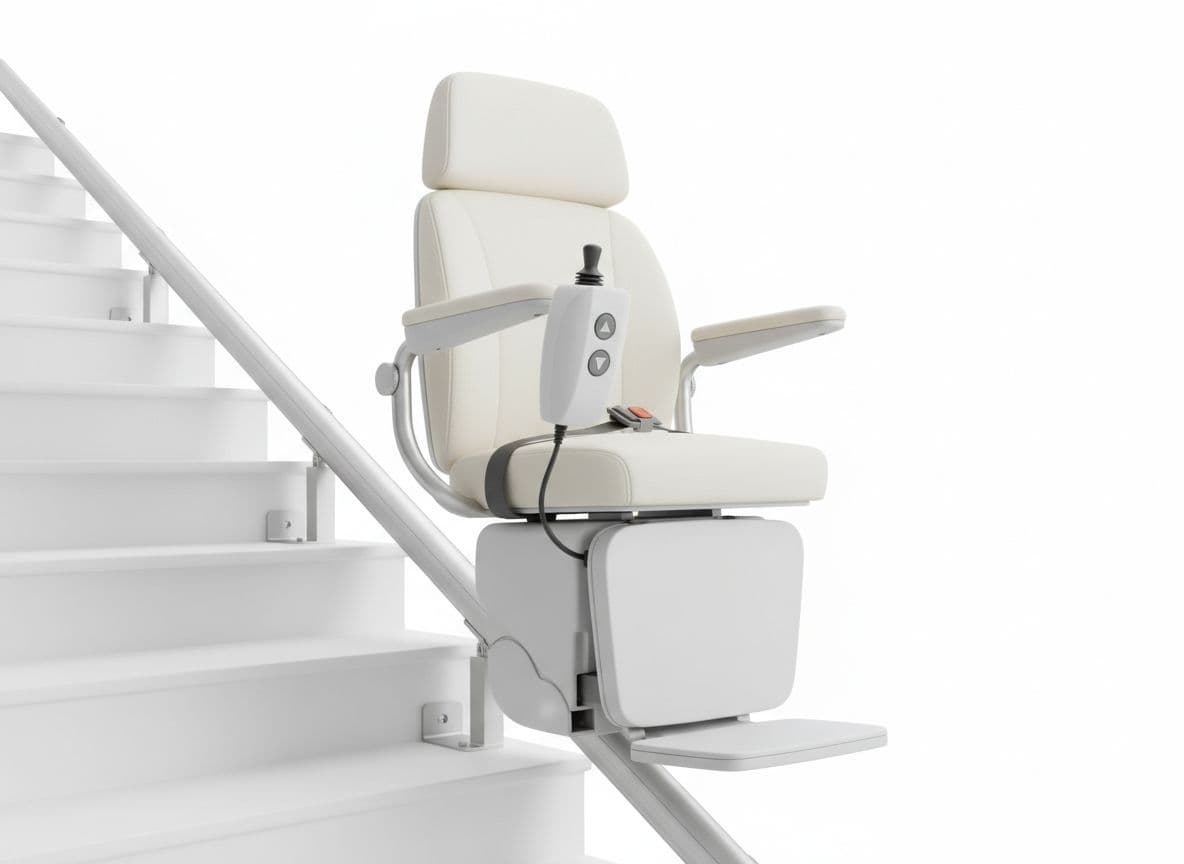
Stairlifts are expensive accessibility equipment. New straight stairlifts cost $3,000-$6,000 installed, while curved stairlifts cost $8,000-$15,000+ due to custom rail fabrication. This high cost drives a strong used market, as many people need stairlifts temporarily (post-surgery recovery, visiting elderly parents) or cannot afford new installation. Used straight stairlifts sell for $500-$2,000, offering dramatic savings over new. The critical distinction is straight vs. curved: straight rail stairlifts are universal and can be installed on any straight staircase, making them highly resalable. Curved stairlifts have custom-fabricated rails built to match a specific staircase. They are essentially worthless for resale since they won't fit any other staircase. This is the single most important factor in stairlift valuation.
Key Factors That Affect Stairlifts Value
Understanding what drives the price of stairlifts helps you get the most accurate valuation.
Rail Type: Straight vs. Curved
This is the #1 value factor. Straight rail stairlifts: $500-$2,000 used, because the standard rail fits any straight staircase and only needs to be cut to length. Curved rail stairlifts: $100-$500 used at best, because the custom-shaped rail was designed for one specific staircase and will not fit any other. Many curved stairlifts have zero resale value. The rail is essentially scrap metal. If you have a curved stairlift, the chair/motor unit may have some parts value.
Brand & Quality
Bruno (American-made) is the premium residential brand and holds the highest value. $800-$2,000 for used straight units. Stannah (British, high quality): $700-$1,500. Acorn (mass-market, widely installed): $400-$1,000. Harmar and AmeriGlide: $400-$800. Sterling/Handicare: $400-$900. Lesser-known brands: $300-$600.commercial/heavy-duty stairlifts from brands like Savaria serve different markets. Brand determines parts availability and buyer confidence.
Age & Battery Condition
Stairlifts under 5 years old hold the most value. Modern units have better safety features, quieter motors, and more reliable electronics. 5-10 year old units: moderate value with potential battery replacement needed. Over 10 years: limited value due to parts availability concerns and battery degradation. Batteries are the most common maintenance item. They power the stairlift even during outages and cost $100-$300 to replace. Working batteries at the time of sale add significant buyer confidence.
Weight Capacity & Features
Standard capacity (300 lbs): broadest buyer pool. Heavy-duty (400-600 lbs): serves a specific need and can command premiums. Powered swivel seat adds convenience and value. Folding rail at the bottom (avoids blocking a doorway) adds value. Remote controls, key lock, safety sensors, and seatbelt should all function. Powered folding footrest is preferred over manual. Outdoor-rated stairlifts have a separate market for exterior stairs.
Removal & Installation
Stairlift removal costs $200-$500 if hiring a professional. DIY removal is possible for handy individuals with basic tools. The rail is the heaviest component (50-100+ lbs for a full straight rail). Professional reinstallation typically costs $500-$1,000, which buyers factor into their total cost calculation. Sellers who offer the stairlift already removed and ready for pickup simplify the transaction and attract more buyers.
Tips for Valuing Stairlifts
Get the most accurate valuation by following these tips when photographing your stairlifts.
Photograph the stairlift installed showing the rail, chair, and overall staircase configuration
Clearly state whether it is a STRAIGHT or CURVED rail. This is the most critical selling detail
Show the chair, controls, seatbelt, and footrest in detail
Note the brand, model, weight capacity, rail length, and whether batteries are working
Stairlifts Market Insights
The used stairlift market is served primarily by specialized stairlift companies that buy used units, refurbish them, and reinstall at reduced prices ($1,500-$3,000 installed vs. $3,000-$6,000 new). These companies are often the best buyers for used stairlifts. They handle removal and pay $500-$1,500 for quality straight units. Facebook Marketplace and Craigslist work for private sales. eBay is possible for smaller units that can be shipped. The market is steady year-round. Accessibility needs don't follow seasons. Medical supply stores may know of buyers. Senior communities and retirement areas have the strongest demand. Many stairlifts become available through estate sales when a homeowner passes away. Families want them removed quickly and may price accordingly.
Notable Stairlifts Values
Real-world examples of what specific stairlifts have sold for, so you can benchmark your own.
| Stairlift | Condition | Typical Value |
|---|---|---|
| Bruno Elan 750 Straight Stairlift | Used - Good | $800 - $2,000 |
| Acorn 130 Straight Stairlift | Used - Fair | $400 - $1,200 |
| Stannah 400 Series Straight Stairlift | Used - Good | $900 - $2,200 |
| Bruno Elite CRE 2110 Curved Stairlift | Used - Good | $2,500 - $6,000 |
| Handicare 1100 Straight Stairlift | Used - Very Good | $1,000 - $2,500 |
| Savaria Stairfriend Straight Stairlift | Used - Good | $700 - $1,800 |
| Acorn 180 Curved Stairlift | Used - Fair to Good | $1,500 - $4,500 |
| New Bruno or Stannah Straight Unit (Dealer) | New - Sealed/Installed | $3,000 - $5,500 |
| New Curved Stairlift (Any Major Brand, Installed) | New - Installed | $8,000 - $15,000+ |
Based on contractor quotes, dealer price sheets, eBay sold listings for used units, and published resale guides from stairlift refurbishment companies.
Find Out What Your Stairlifts Are Worth
Upload a photo now and get a free AI-powered valuation in seconds. No sign-up required.
Stairlifts Valuation FAQ
How much is a used stairlift worth?
Straight rail stairlifts: $500-$2,000 depending on brand, age, and condition. Curved rail stairlifts: $0-$500 (custom rails rarely fit other staircases). Bruno brand commands the highest prices. Stairlifts under 5 years old with working batteries bring the best prices. Removal and reinstallation costs ($500-$1,500 total) are factored into buyer calculations.
Can I sell a curved stairlift?
Curved stairlifts are extremely difficult to resell because the rail is custom-fabricated for a specific staircase. It will not fit any other staircase without expensive modification. The chair and motor unit may have some value for parts ($100-$300). Some stairlift companies buy curved units for parts inventory. In most cases, removal and disposal is the practical path. Contact local stairlift dealers to see if they want the unit for parts.
Who buys used stairlifts?
Stairlift refurbishment companies are the primary buyers. They buy, refurbish, and resell with new installation. Search for 'used stairlift buyers' or 'stairlift removal' in your area. Private buyers on Facebook Marketplace and Craigslist are options for straight-rail units. Some medical equipment charities accept donated stairlifts. Scrap metal dealers buy for metal value as a last resort. Stairlift dealers may buy for their used inventory.
How do I remove a stairlift?
Professional removal: $200-$500 by a stairlift company. They handle disconnection, rail removal, and wall repair. DIY removal: disconnect power, unbolt the rail brackets from the stairs/wall, and remove in sections. The chair unit lifts off the rail. The rail is typically in 2-4 sections bolted together. You will have screw holes in the wall/stairs that need patching. Two people are recommended. Rail sections are heavy. Always disconnect power before any removal work.
Does insurance or Medicare pay for stairlifts?
Medicare does not cover stairlifts. They are classified as 'home modifications' rather than medical equipment. Some Medicaid programs and state assistance programs may help. Long-term care insurance may cover stairlift costs with proper documentation. VA benefits may cover stairlifts for veterans. Some nonprofit organizations provide stairlift assistance. This lack of insurance coverage is a major reason the used stairlift market exists. People need affordable alternatives.
Value anything, anytime
Unlimited valuations, saved history and full reports in the free app.